

Rapid summary: Fairy wine with fusion cuisine does not follow the same simple rules as a traditional cuisine and 3 Soles, cups as Tonalli and Huñuy show how to do well without being expert.
To order wine at a restaurant usually generates the same usual doubt: white or red? With a cuisine that mixes Colombia, Mexico and Peru into a single menu, that question gets a little more complicated, because plates do not always fit into the simple categories of “Red meat” or “Fish” that usually guide traditional pairing.
What’s pairing and why it changes with the kitchen fusion
To have a bad time with them and to have them have a good time with them and their families. The classical rule says that white wine goes with fish and light plates while the red one goes with red meat and more powerful preparations. That rule works well in a single style kitchen but becomes more difficult to apply when a plate mixes with tropical fruit, Mexican spicy and Peruvian techniques in the same preparation.
How to think about pairing in front of a melting plate
See the predominant ingredient, and not just the protein.
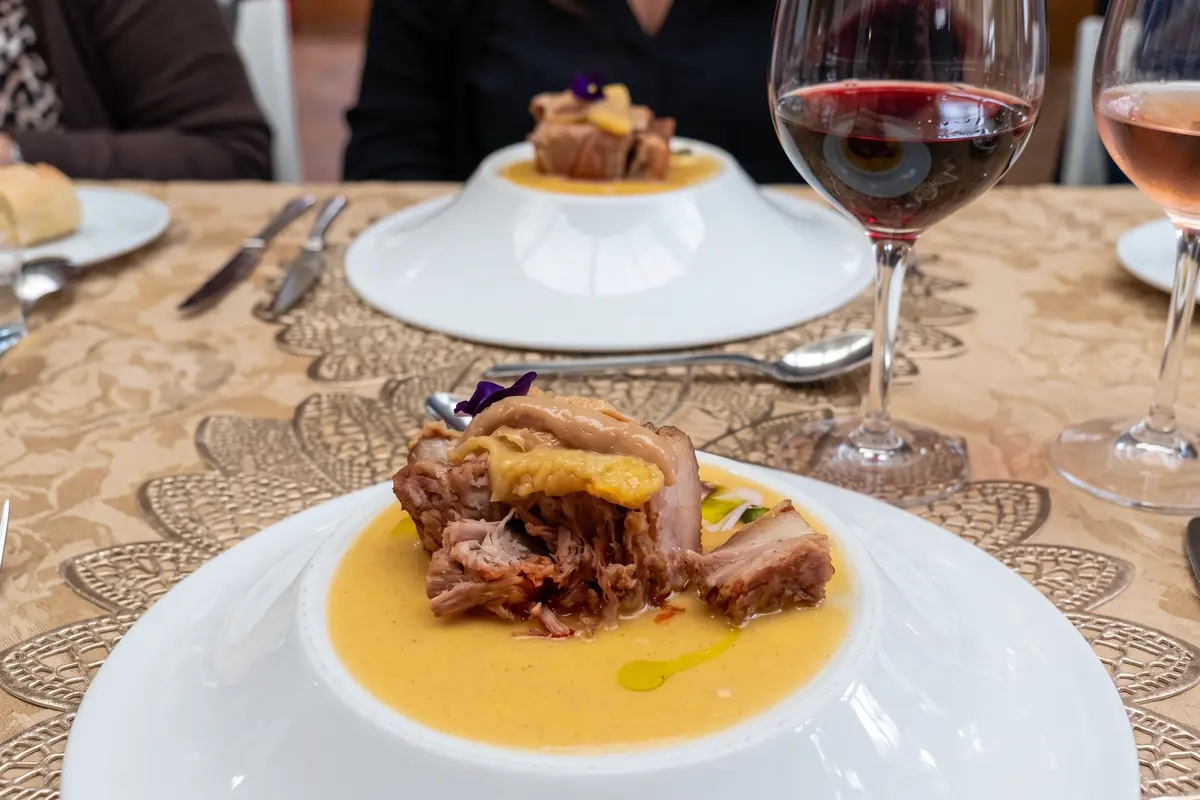
A plate of pork with apide fruit sauce, as a bonus in cruba sauce, does not behave as a traditional roasted pork. The acidity of the salsa requires a wine that does not compete with that profile, even if the main protein would instinctively suggest a more robust Red.
The spicy changes the rules
The Mexican spicy tends to be accentuated with very tanic wines, so a light or even a white with some body usually works better than a dense Red with a plate with protagonic chili.
The sweetness of tropical fruit demand fresh wines
Ingredients such as copoazú, cruba or pineapple, common in the kitchen fusion of the letter, better combination with fresh and acidity-marked wines than with very sweet or very structured wines that can feel heavy with that combination.
Reactual examples of 3 Soles pairing
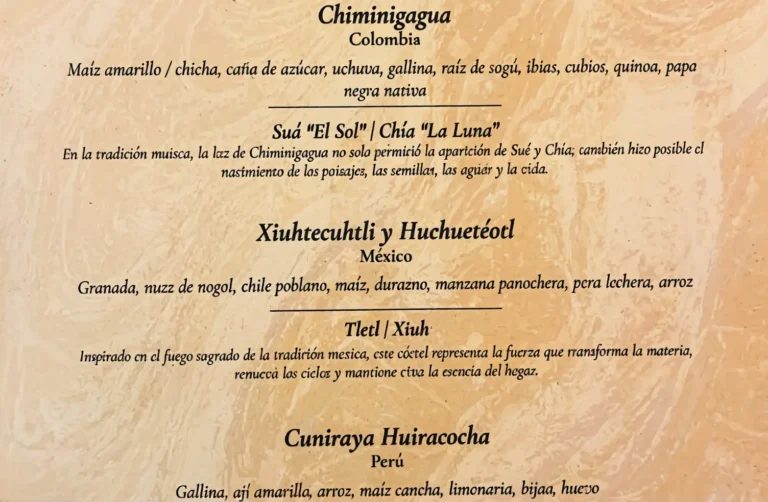
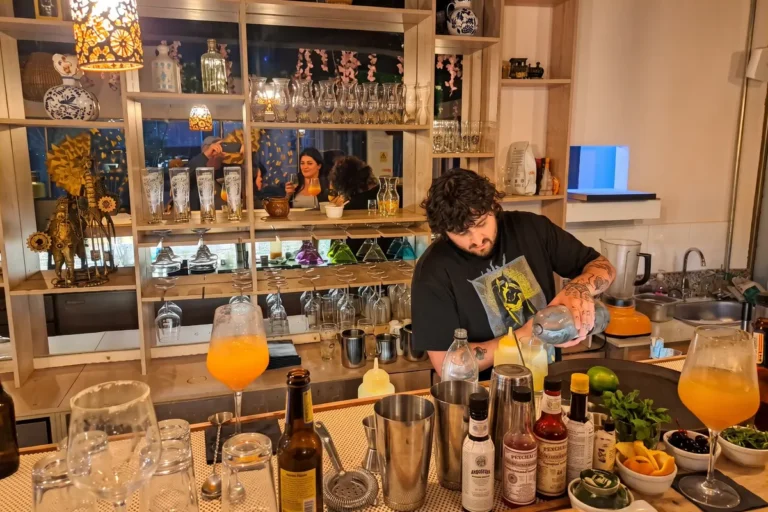
The tidal tidal tidal of the tasting menu are the work of Karen Cruz, restaurant’s bar manager, who thinks of every drink as part of his narrative of every time, and not only as accompaniment.
Titalli’s White Cup
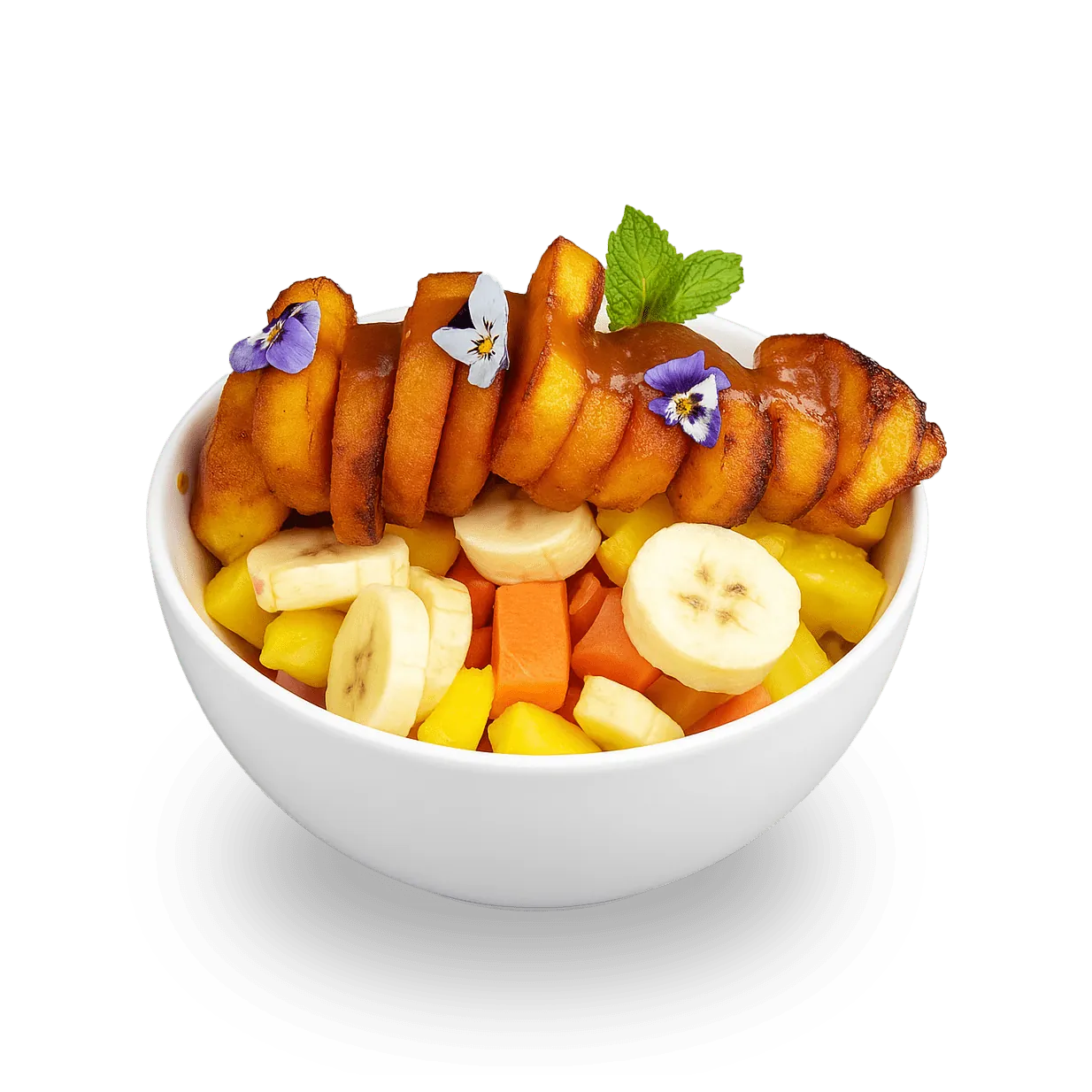
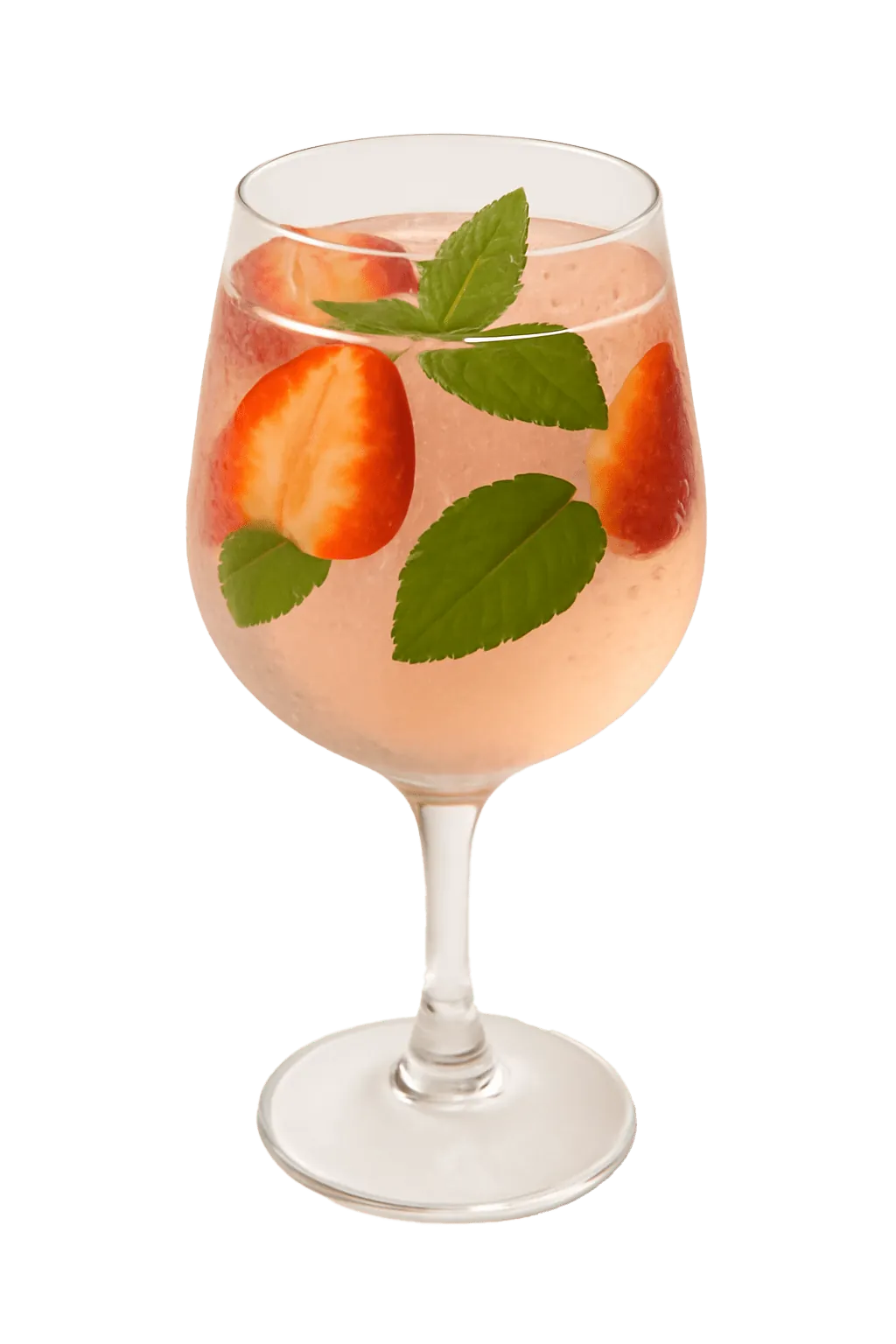
Inside the tasting menu “The gods of fire and the sun”The glass of white wine Tonalli with a time that mixes camote, ducha, lulo, pineapple and Jamaica flower, a combination of tropical fruit and light texture where a fresh white balance the sweetness without opacompting the plate.
Ink cup Huñuy
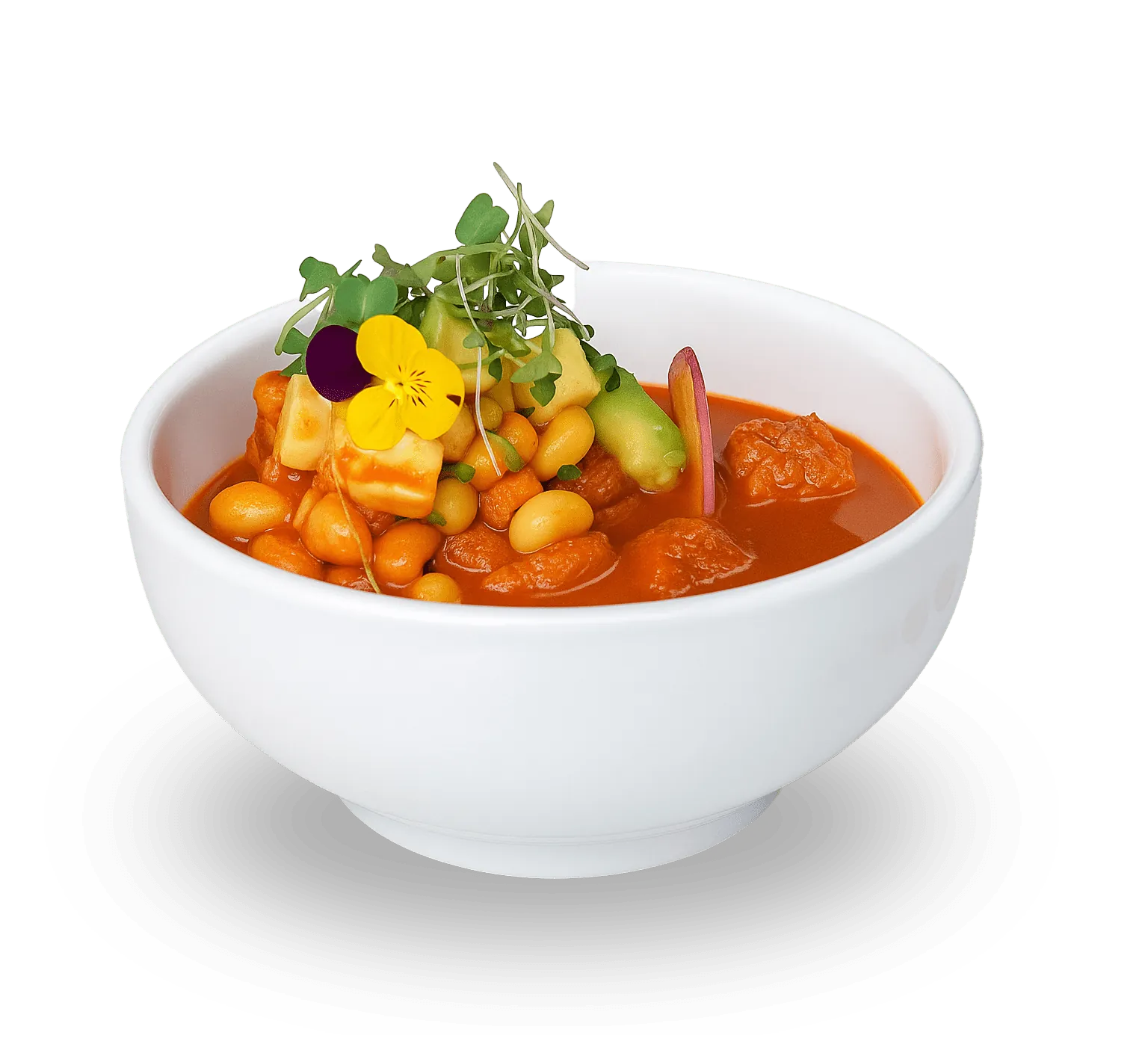
Instead, the Red Wine Cup Huñuy closes the same menu with a time with maize, butter, sugar cane and wheat, closer to a salty dessert to a main plate, where a soft Red complements that denser texture without being weighed.
How to order pairing if you don’t know about wines
- First ask about the plate, and not about the wine. To describe what you are about to eat helps the waiter better propose what drink they have combined.
- He mentions whether the plate has an octopus or an acid fruit. Those two factors have quite a difference with a recommendation with a simple frying meat.
- Don’t assume that every fish goes with a target. A fish with dense seafood sauce, as steal, can be combined with a more body target as well as a light one.
- Test before deciding if you have a doubt between two cups. Many restaurants, including 3 Soles, allow to ask about available options before choosing.
Why this is worth learning even if you’re an expert
It doesn’t have to be sommelier to better enjoy a dinner with pairing. To understand that the spicy, acidity and sweetness change the equation with a traditional dinner is already sufficient to order with more criterion, without fully dependent on the waiter’s recommendation every time you visit the restaurant. The same logic applies to The name and name of the house: also aims to balance strong flavors of fusion cuisine, but with a different glass to wine.
If you have little time, ask for this.
- Stolen with shrimp sauce ($75,900), ideal for an average body target.
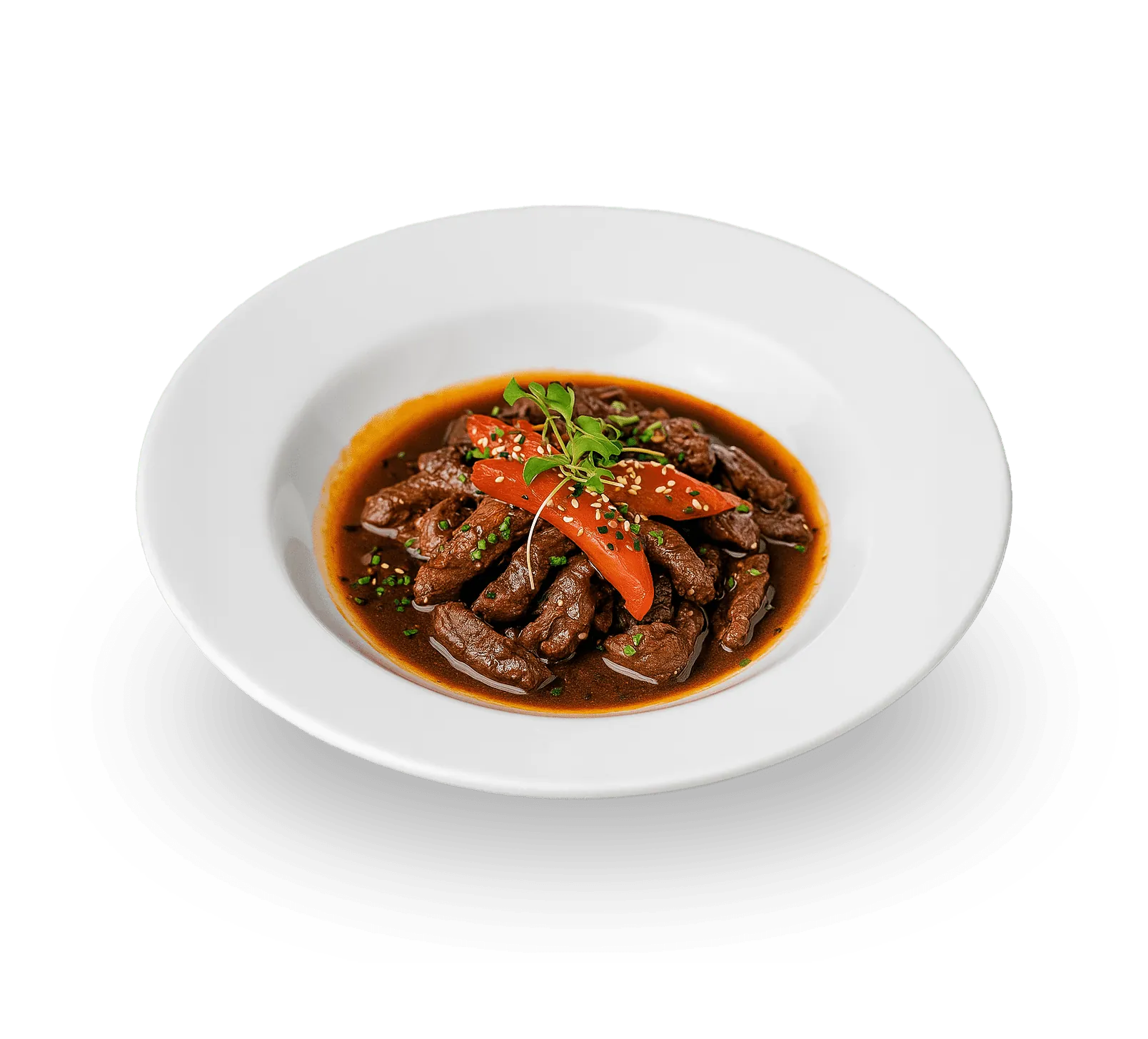
- Bondiola in cruba sauce ($51,800), that combines well with a light and fresh red.
- Wine cup of the letter, white or red as per the chosen plate.
- Fitted with a deconstructed To put the food back to his place.
Do we have to have some white wine with fish?
Not necessarily. Fish with dense sauces, as with shrimp sauce, can be combined with a more body target or even light red, depending on the intensity of the salsa.
Do hot dogs have a bad pairing with wine?
He doesn’t spoil it but his recommendation changes. A very tanic wine usually accentuates the spicy, so light options should be preferred with protagonic chili plates.
What wine best combines with tropical fruit plates?
Fresh and acidity-marked wines usually work better than very sweet or structured wines with a face to ingredients such as cruba, copoazú or pineapple.
Can I order pairing outside the tasting menu?
Yes, the wine letter is also available to accompany individual regular card plates, and not just for tasting menu.
How often do we organize a tasting menu with these pairing?
A biannual number of events, anniversaries and corporate reserves have been held and the next date should be met with the restaurant.
What do I do if I don’t know what drink to order?
The best thing to do is describe the plate to the waiter, with reference to whether it has an apidic or an apidic fruit, and to receive a recommendation that’s adjusted to that specific preparation.
If you want to have this experience with a quiet, Reserve the pairing experience with 3 Soles and let every drink with the right plate.