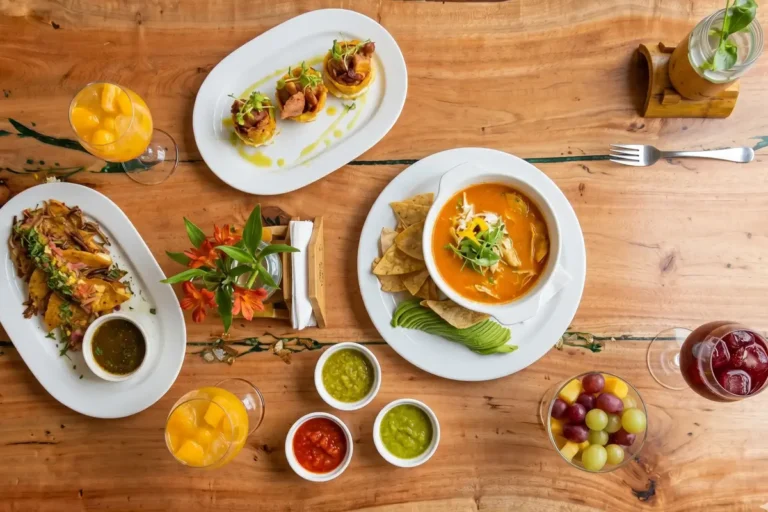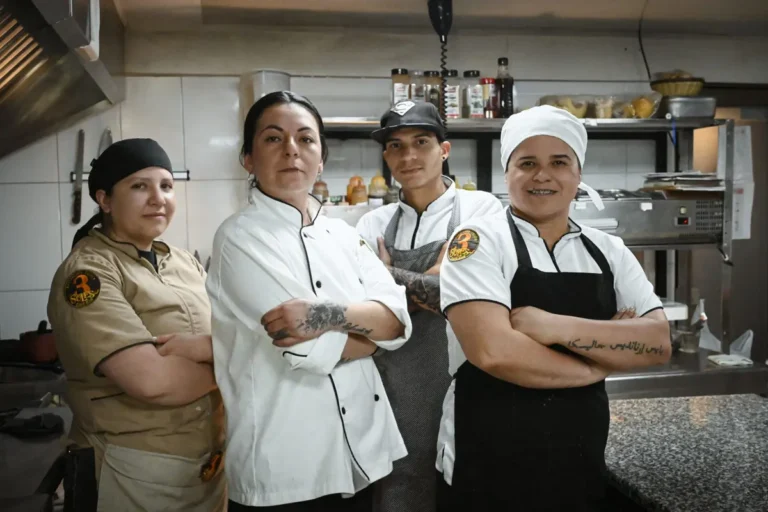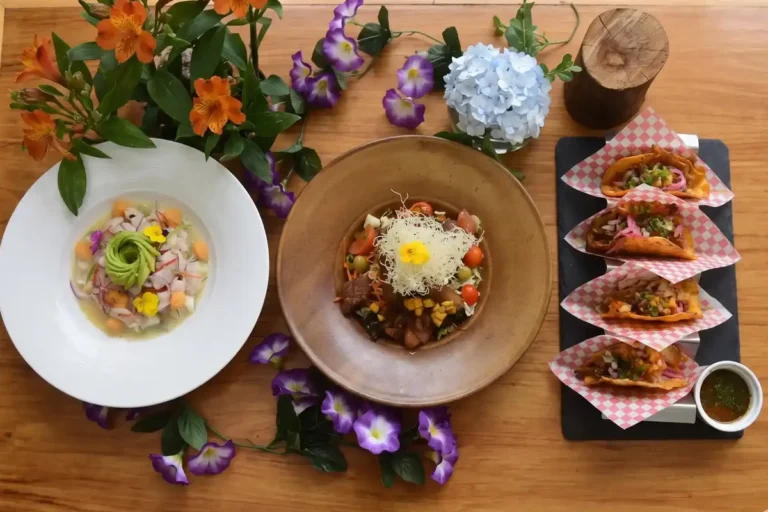
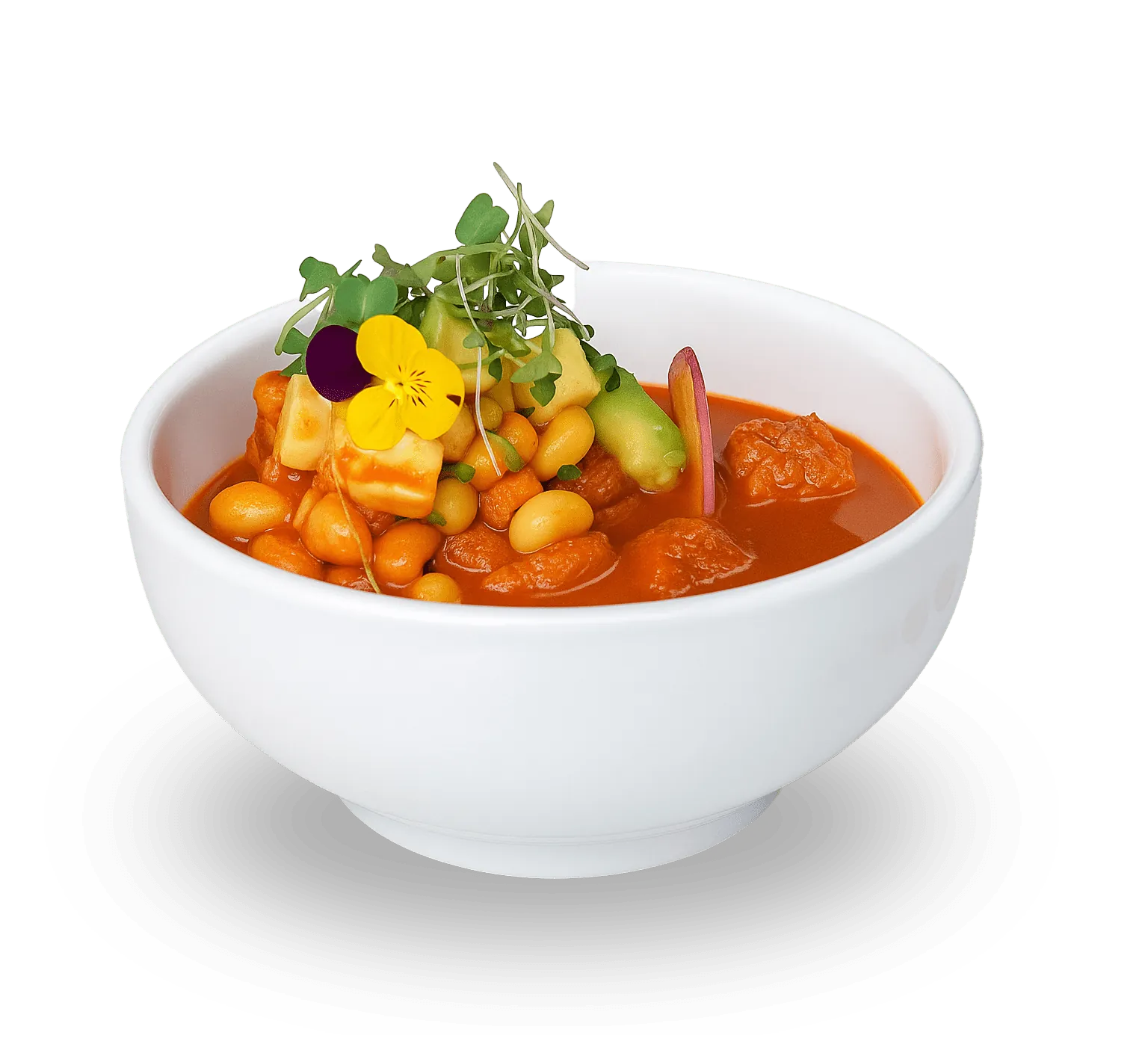
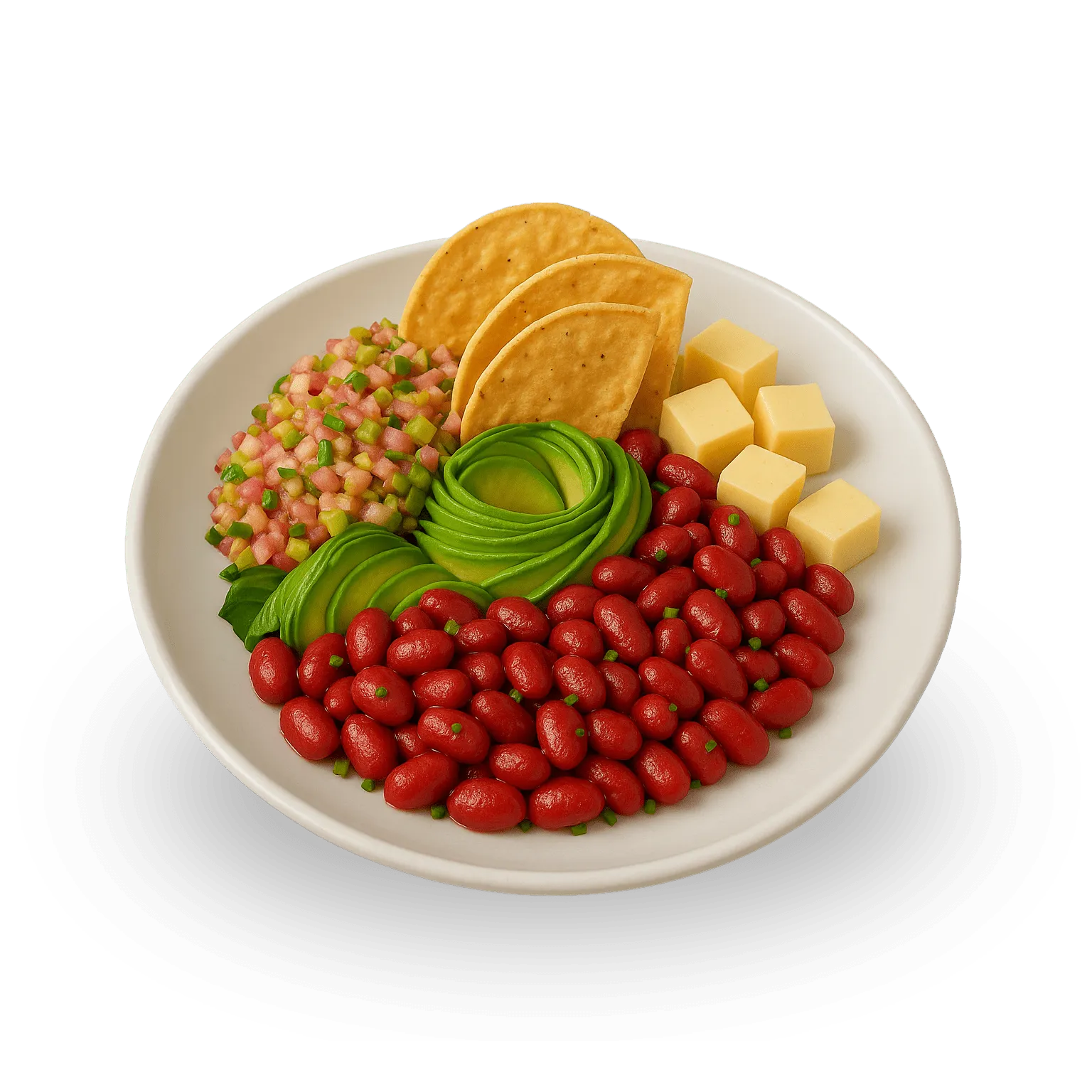
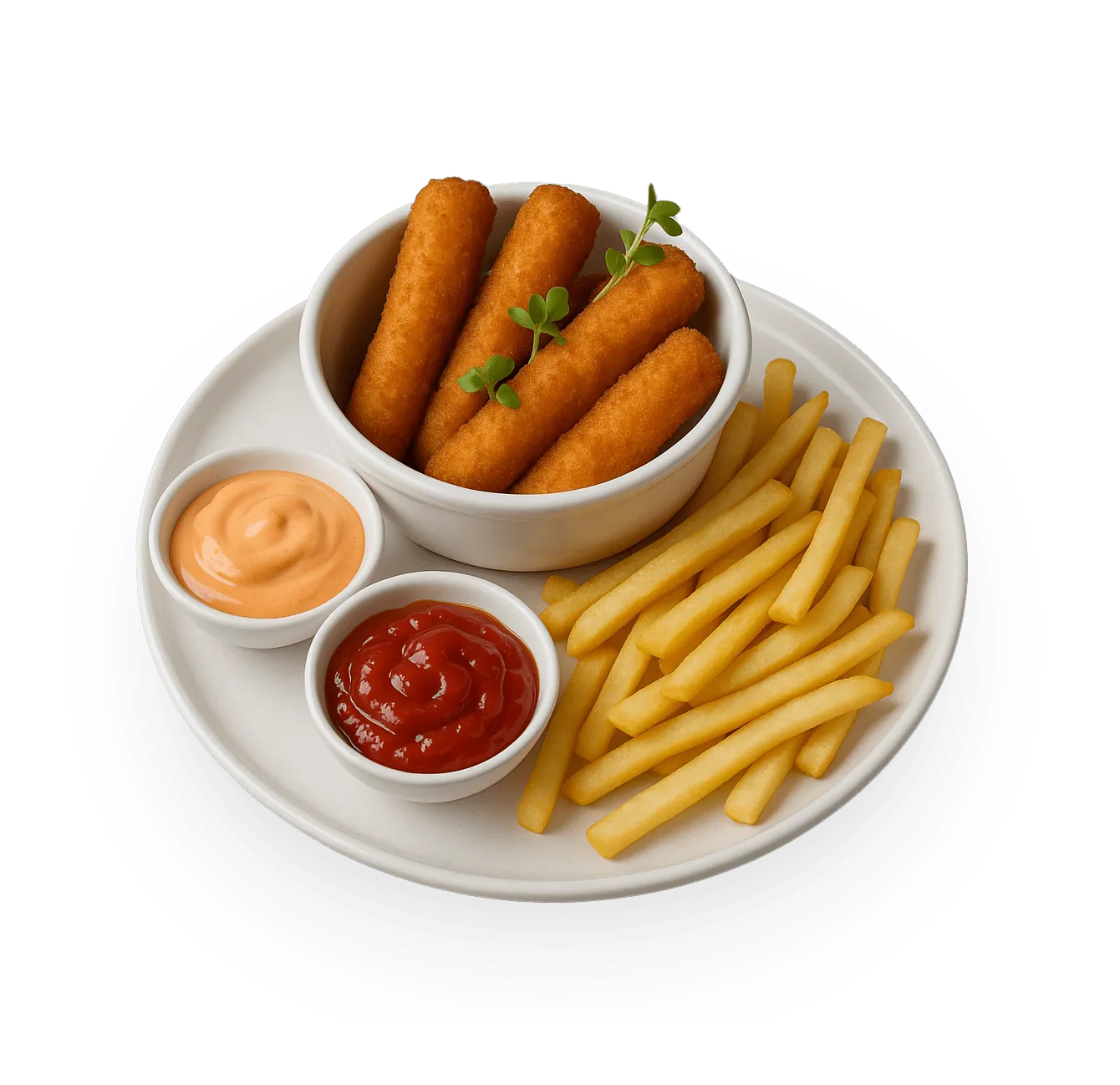

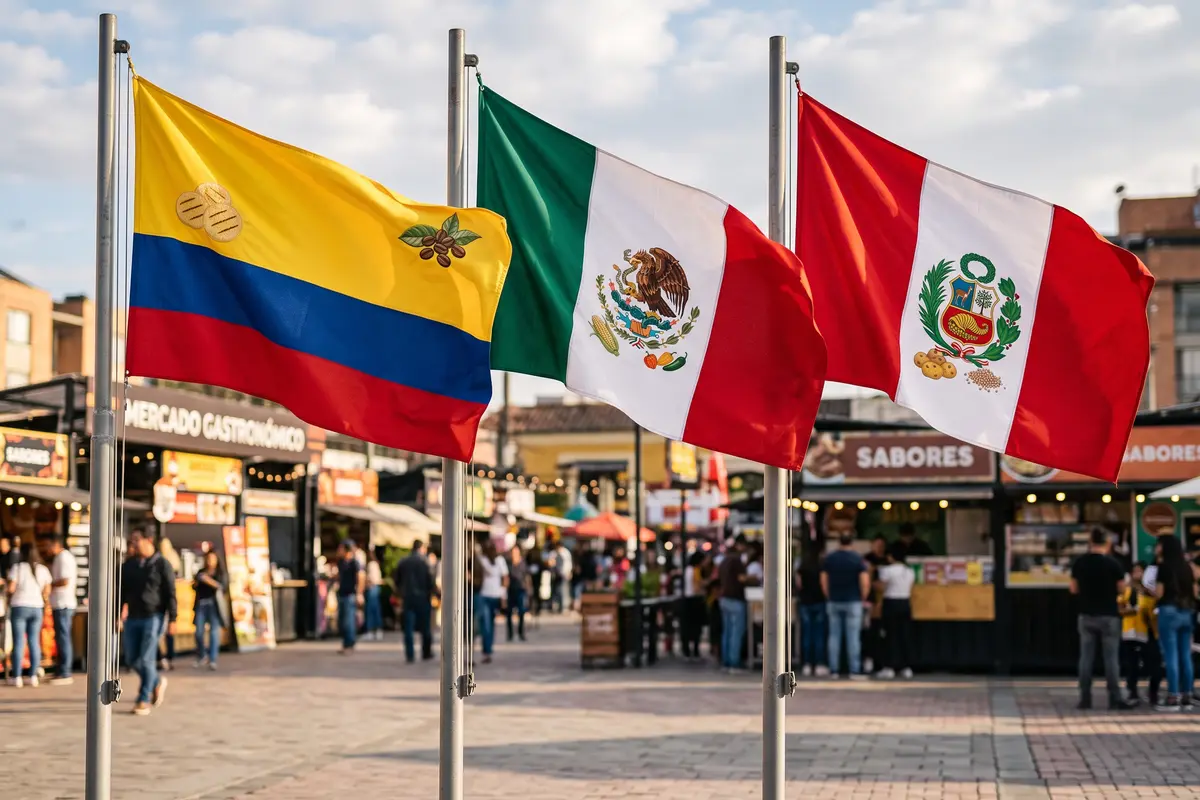
Rapid summary: Mexican tacos, Peruvian leaping and Colombian flavors share letter at 3 Soles, a combination of three kitchens that are rarely complete at a same restaurant.
Most international cuisine restaurants choose a country and stay there: Mexican, Peruvian or Colombian, each with its own well-defined identity. 3 Soles does something different: He brings them together with them and his traditions with them and with them with nothing to do with them.
Why these three kitchens and not other
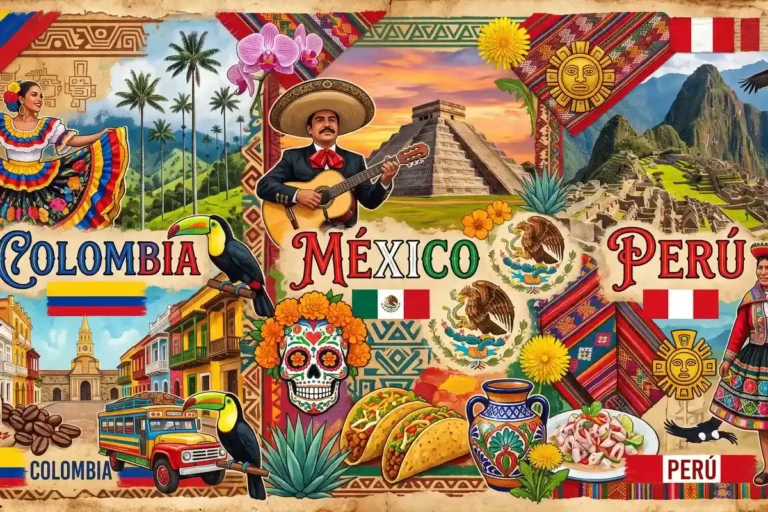
Colombia, Mexico and Peru share more than just the language: they are three of the most recognized gastronomy in Latin America, each with an identity of their own strong enough to hold themselves. To put them together at a same restaurant is a decision at random but a commitment to show three different ways to understand Latin American cuisine under a same roof.
What fusion looks like in practice
The Mexican influence on tacos and birria
The History of Peruvian Cooking He usually gain prominence in his Latin American fusion discourse but Mexico contributes to his 3 Soles letter with the same force: the birria tacos, the most requested plate of his restaurant, mix the Mexican tortilla technique with a pilling that also has Colombian roots in his production.
The Peruvian inheritance at the leapfrog and chaifa
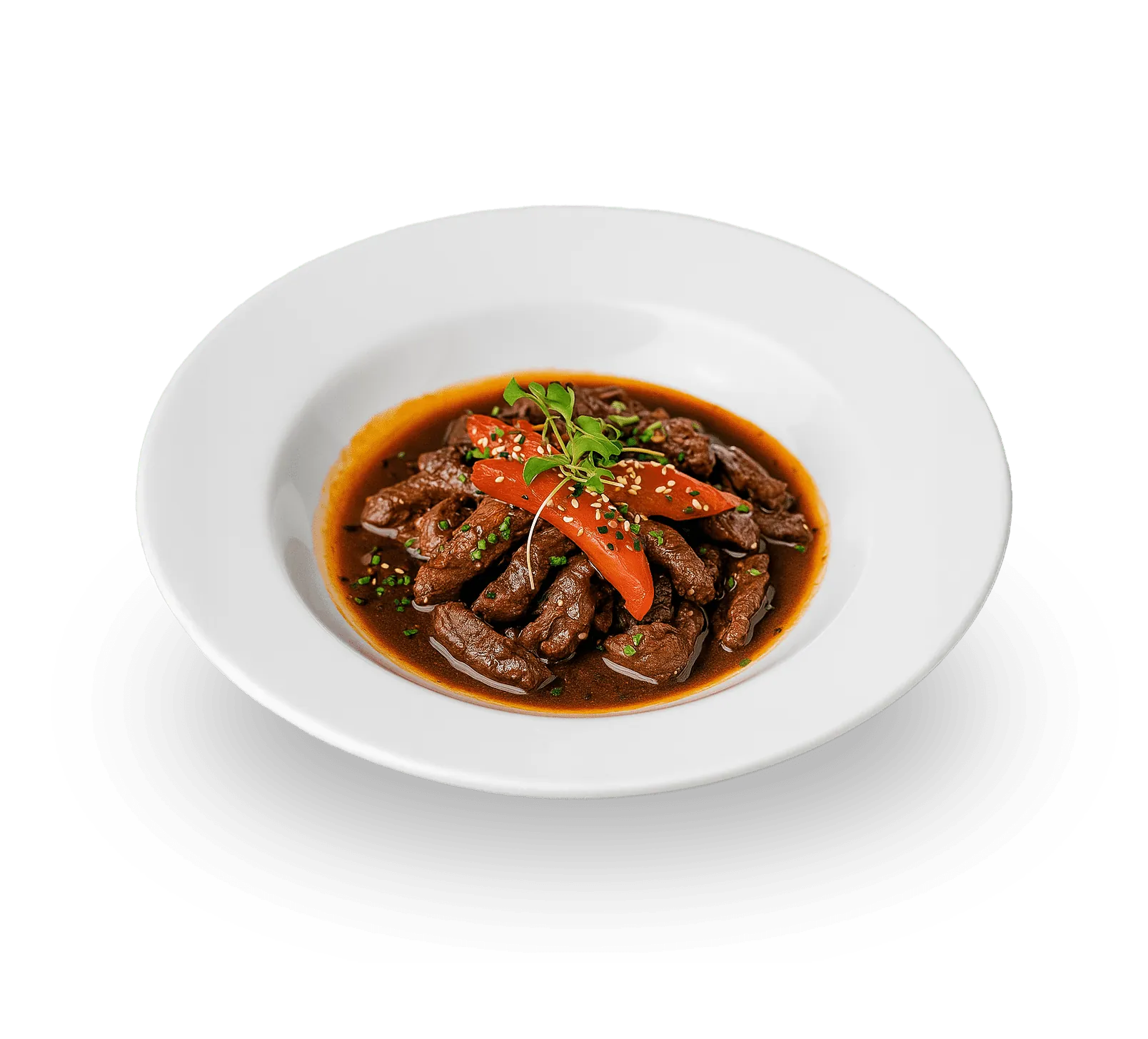
Peru contributes two of the most representative plates of the letter: the leapfrog, that crosses the technique of wok with meat and potatoes in the Western style, and the chaifa rice, as a result of Chinese immigration into Peru during the 19th century. Both plates show that Peruvian cuisine had been merging traditions for a long time before the concept of a Latin American fusion restaurant existed.
The Colombian base in ingredients and techniques
Colombia appears more subtle in its letter: in ingredients such as the uchuva, the pate creole or the panels and in cooking techniques that are repeated at several plates of the house. It’s not always the most visible cuisine on the menu but it works as a basis on which most of the combinations of the letter are supported.
What makes the fusion work and doesn’t feel forced
To mix three different kitchens into a single menu has an clear risk: that the result will feel as a collection of plates with no relation to each other, rather than a consistent proposal. What prevents this problem at 3 Soles is that each plate respects the original technique of its original cuisine, rather than simplify it to better match with the other two. The pitted loin remains a pitted loin, prepared with the Wok technique that defines it, and not an adapted version to look more like a Mexican or Colombian plate.
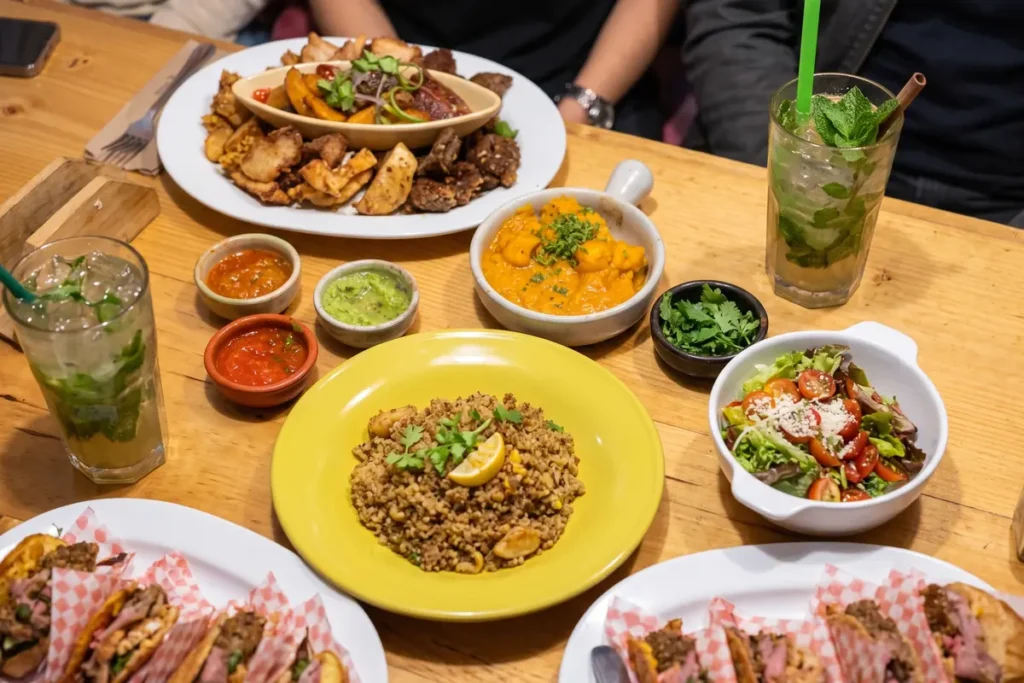
How can you walk through the menu if you want to try all three kitchens
- It starts with an entrance to the kitchen that you least know. That’s the easiest way to figure something new out without compromising the whole order.
- He’s still with a strong plate from another of the three regions. That allows to compare techniques and flavors at the same food.
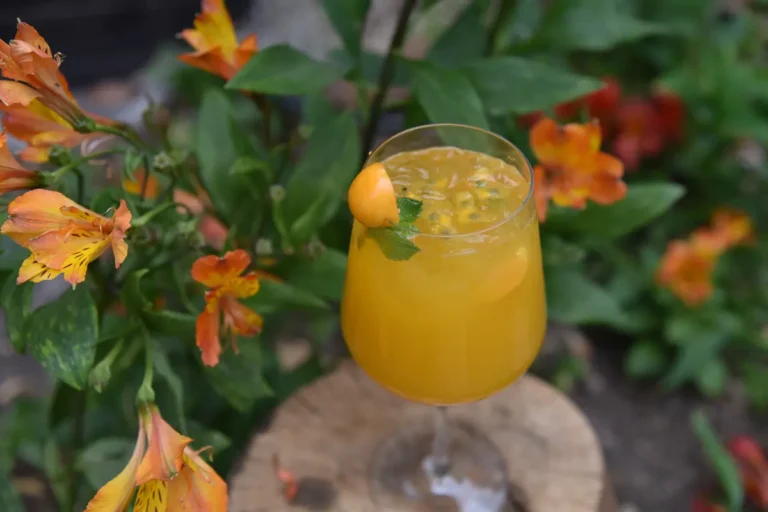
- It’s closed with something from the bar that combines ingredients from the three traditions. Many copycat cocktails mix Colombian fruit with other cooking technologies.
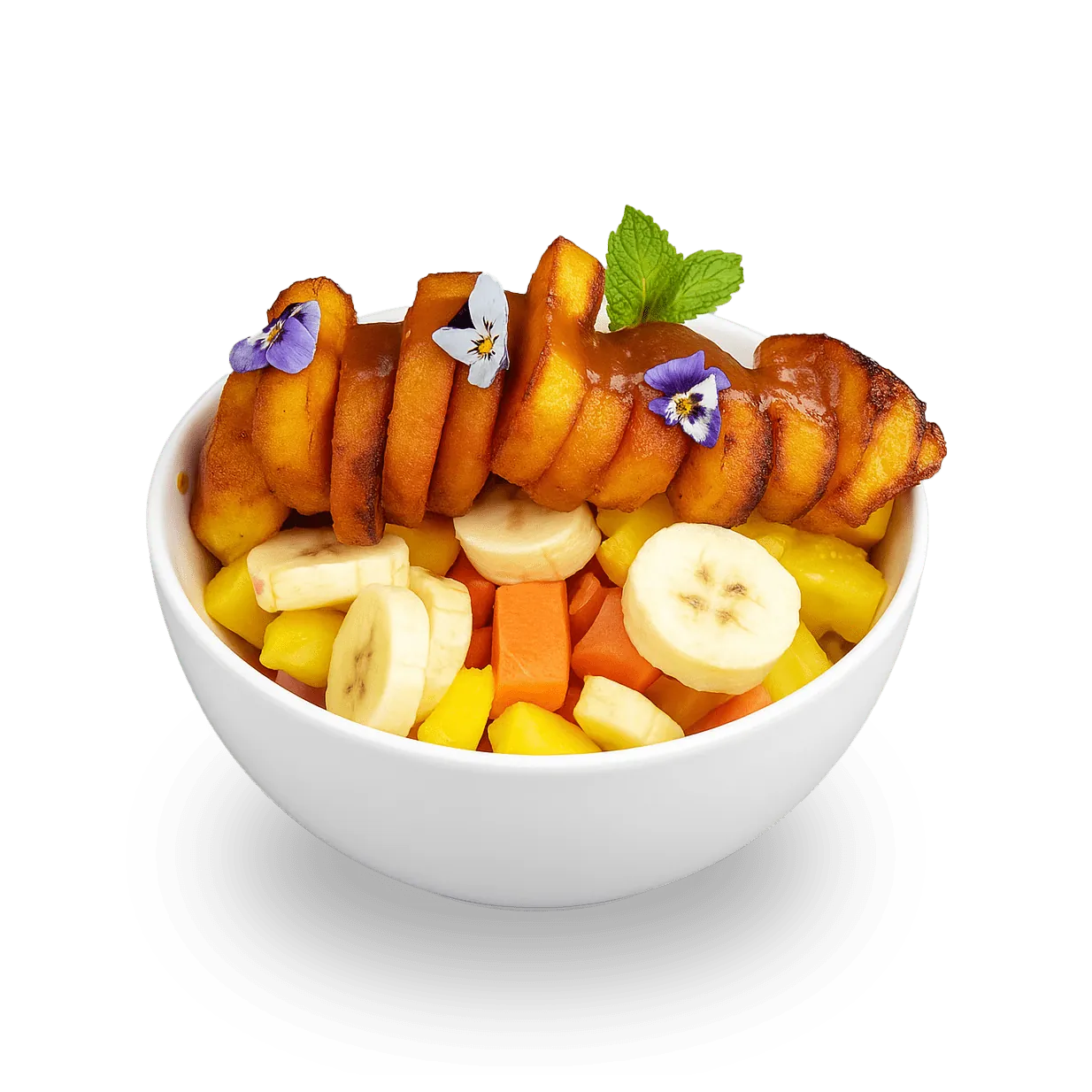
- That’s a good place for dessert. The abhorrent deconstructed sums up well that spirit of fusion with a Colombian ingredient presented in an untraditional manner.
Why this proposal is difficult to find anywhere else
Most restaurants at Latin American fusion kitchen choose to mix two kitchens, but not three, because holding three different culinary identities at a single menu requires more variety of providers, more kitchen-dominated techniques and more co-ordination work at the letter. That 3 Soles keeps that complexity, rather than making it easier to have two traditions, is part of what makes the proposal difficult to replicate at another restaurant of the Sabana.
If you have little time, ask for this.
- Beer’s tacos ($41,400), the Mexican face of the menu.
- Retirement loin ($63,300), the Peruvian classic of the letter.
- Chamberham chaifa ($46,900), Peruvian-Chinese fusion with Latin season.
- Fitted with a deconstructed with Colombian ingredient and production of his his his own.
Why did the menu just mix these three kitchens and not some other ones?
Because Colombia, Mexico and Peru are three of the region’s most recognized gastronomy, each with its own identity and with its own best to hold itself within a single menu.
Do plates lose authenticity as they are at a melting menu?
Not necessarily. Each plate respects its original cuisine and does not simplify itself to suit the other two traditions of the menu.
Which of the three kitchens have more presence in the letter?
It depends on the category: Mexico more noted in tacos and birria, Peru more about rice and wok plates and Colombia more subtle appears in ingredients and basic techniques.
Is there a plate that combines all three kitchens in a single preparation?
Some special experience times, such as tasting menu, do combine the three traditions with one plate and with a regular card, each plate usually represents mainly one of the three.
What’s the first place to start if I’ve never had a fusion kitchen?
The easiest thing to do is to choose an entrance from the kitchen that you least know and a strong plate that best gets your attention so as to avoid compromising the whole order into something unknown.
If you want to have a 3-star check on a single visit, sees 3 Soles fusion letter and I’ll have your own way.