
Rapid summary: Uchuba, Ibias, Cubes and native black potato are Colombian products that are barely found at restaurants outside their region and 3 Soles leads to copyright without losing their original taste.
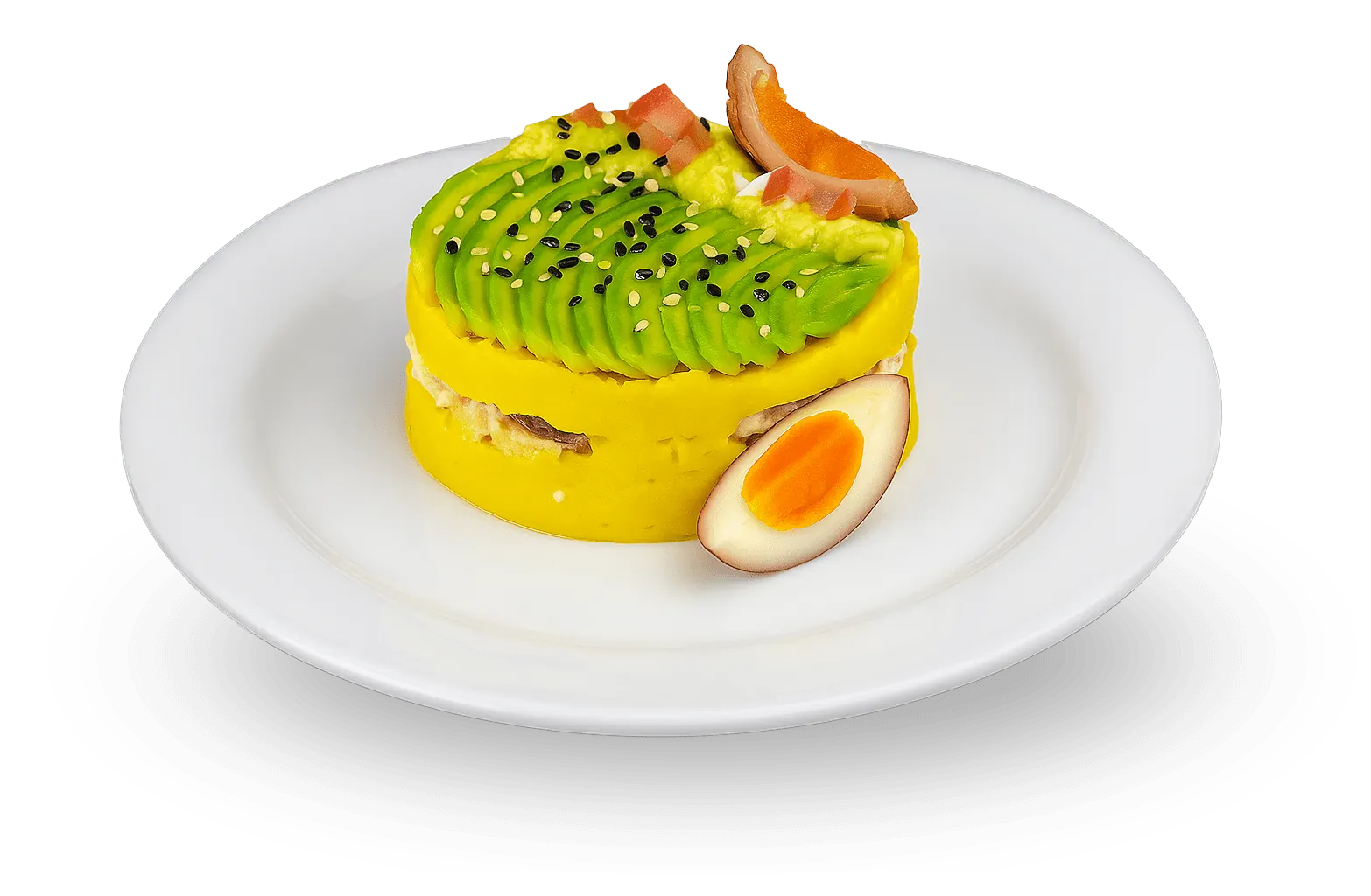
There are ingredients that everyone recognizes, as the Creole and avocado pate and some that rarely leave the farm or the peasant market where they are grown. Ibias, cube and native black potato belong to this second group. They are deeply Colombian products with centuries of presence in Andean diet, but they rarely reach a restaurant letter outside their area of origin.
What’s each of these ingredients
Uchuba
The ducha’s best known of this group, a small fruit with a sour and sour flavour that grows wrapped with a kind of natural dupstick. It’s grown especially in high areas of Cundinamarca and Boyacá and while today it’s exported to several countries, it’s still a product deeply linked to the Seville’s Sabana, the same region where Chia’s place.
Ibias
Ibias are an Andean tubers with striking colors, between yellow and orange and pink, with a taste ranging from acid to slightly sweet depending on its maturation point. They are traditionally grown in cold mountain climate and are barely achieved outside of rural markets or very specific kitchens from the Andean region.
Cubes
Similar to a small potato, cubias have a particular taste, with a soft and terrous spicy, that distinguishes them from any other tubers of the common Colombian diet. Like the ibias, they are part of traditional agriculture in the high areas of the Colombian Andes.
Native black paper
Unlike the more known Creole or Pastusa and its native black and Spanish pat, the native black pat has a dark and an octopa with a more intense taste. It’s a less commercial variety, grown on a smaller scale, and so it’s barely found at supermarkets or most restaurants.
Where these ingredients appear in 3 Soles letter
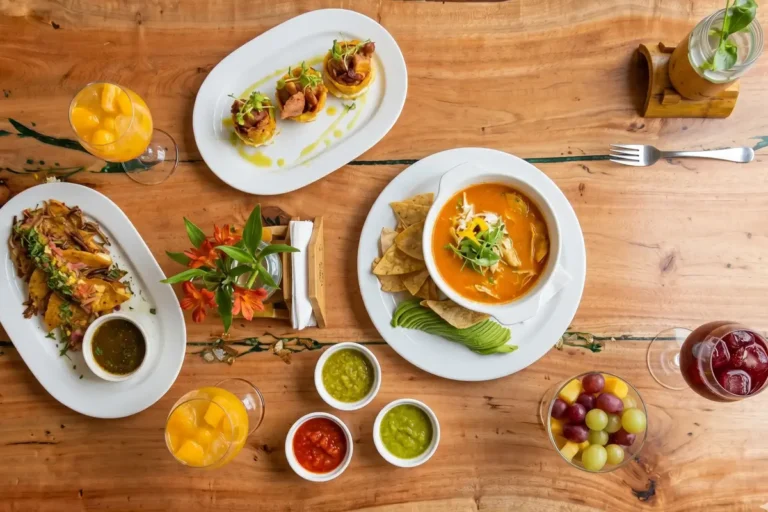
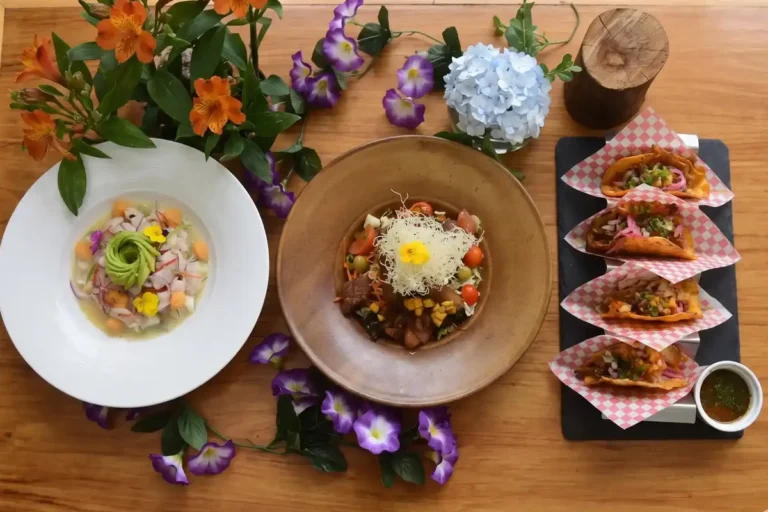
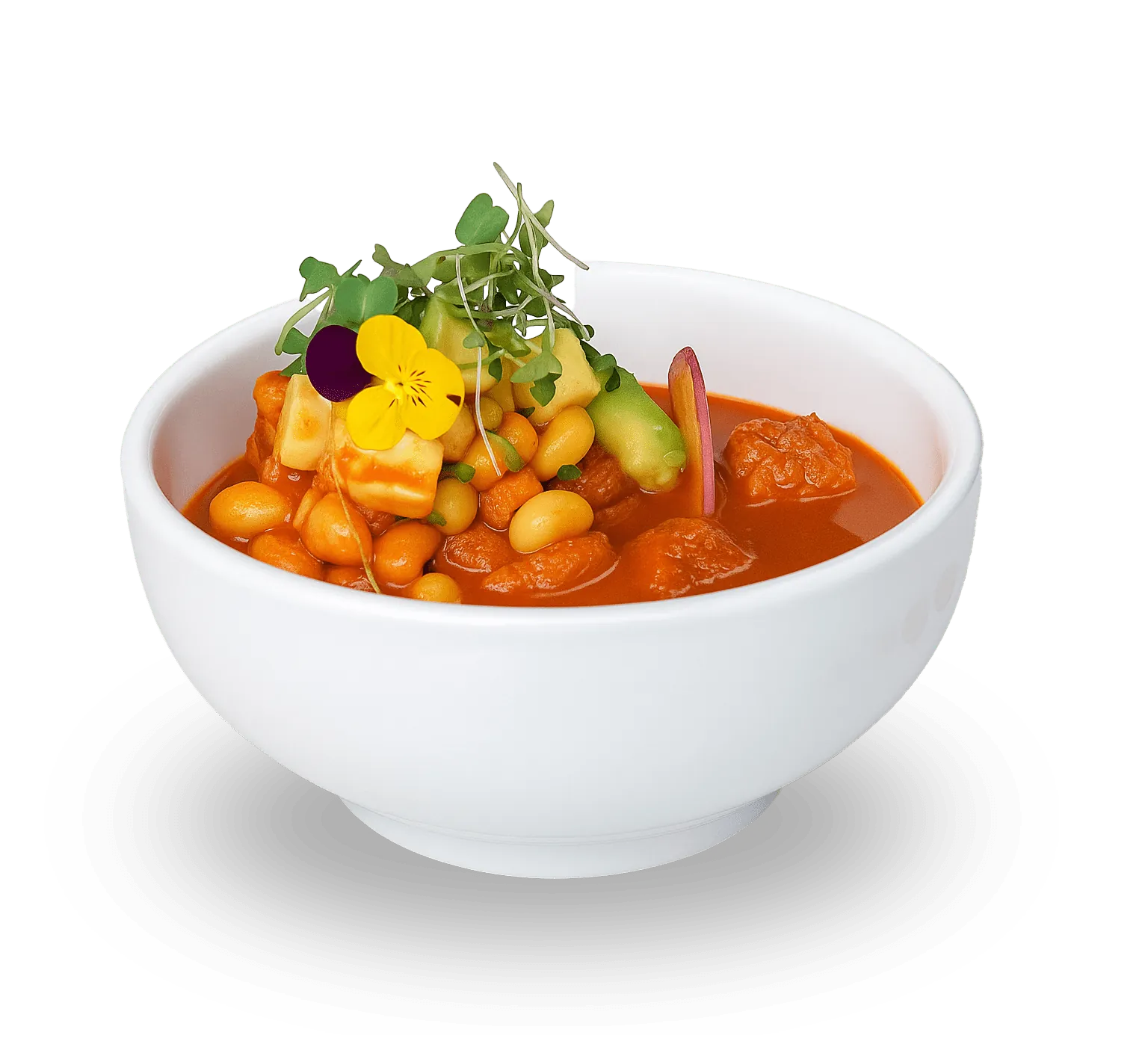
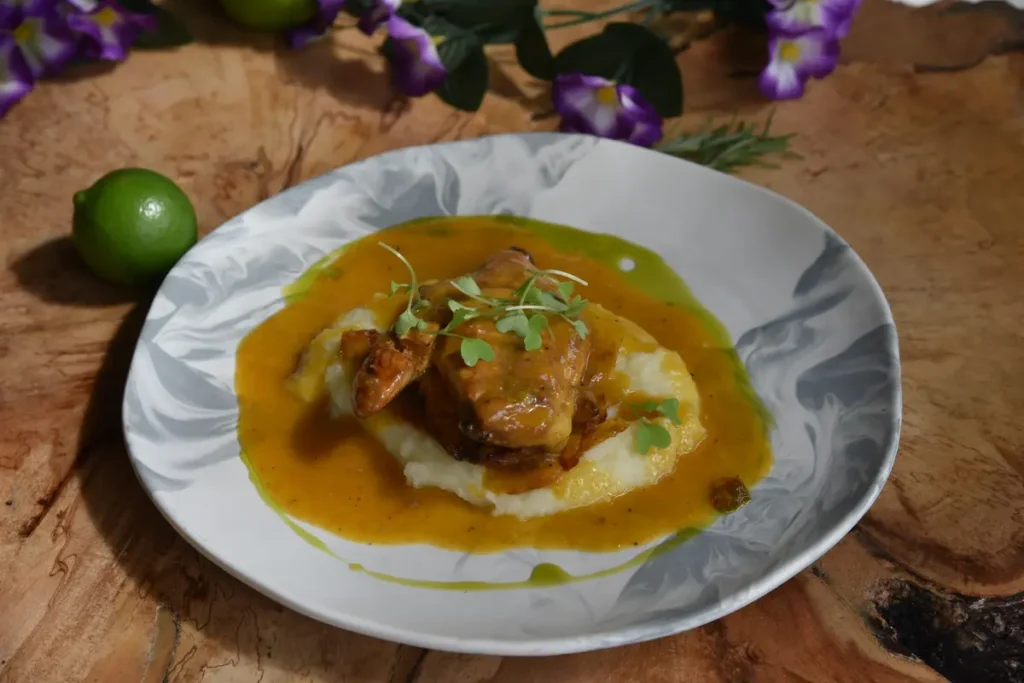
The most complete example is Chiminigagua, Colombian tasting menu time, with yellow corn, chicha, uchuva, ibia, cubias and native black potato on a single plate. Outside the tasting menu, the ducha also appears in other preparations of the regular letter, while ibia, cubias and native black papa are more exclusive to special experiences, precisely as it’s difficult to get them with the regularity required by a daily letter.
Why it’s worth using so rare ingredients
Know that you cannot replicate with substitutes
Each of these products has a characteristic flavour profile that isn’t achieved by replacing with common potatoes or with other fruit with a similar flavour. Using them means accepting that the plate will know different from any other version made with more accessible ingredients, and that in practice becomes part of the attractiveness.
Reget products that are disappearing from the table
Commercial agriculture often concentrates on few varieties of each product, with them more and more easily being shipped. Ingredients such as ibias or native black potato are outside that circuit and their presence in a restaurant letter helps them to continue with demand, rather than increasingly reducing to a local subsistence culture.
A name that can’t be achieved by copying another kitchen
Any restaurant can replicate a foreign recipe with more or less good. A few can offer a plate built around ingredients that are literally not achieved anywhere else. That difficulty of achieving them is paradoxically what gives these plates an identity that cannot be easily copied.
What to expect if you have never tasted them
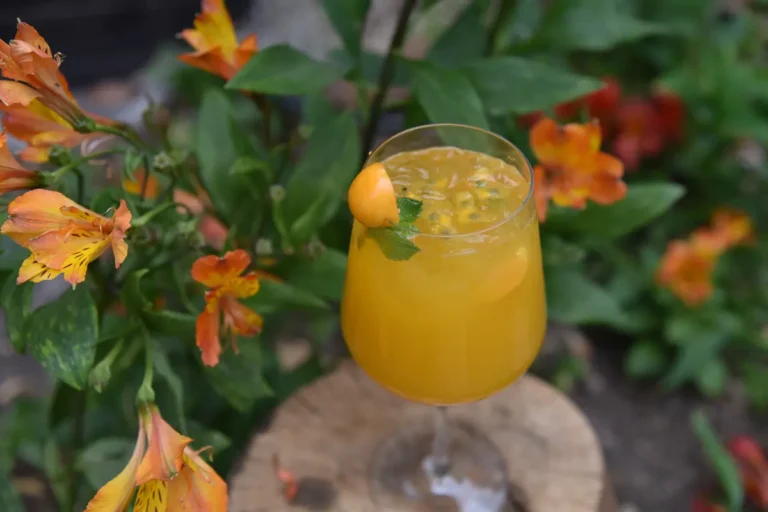
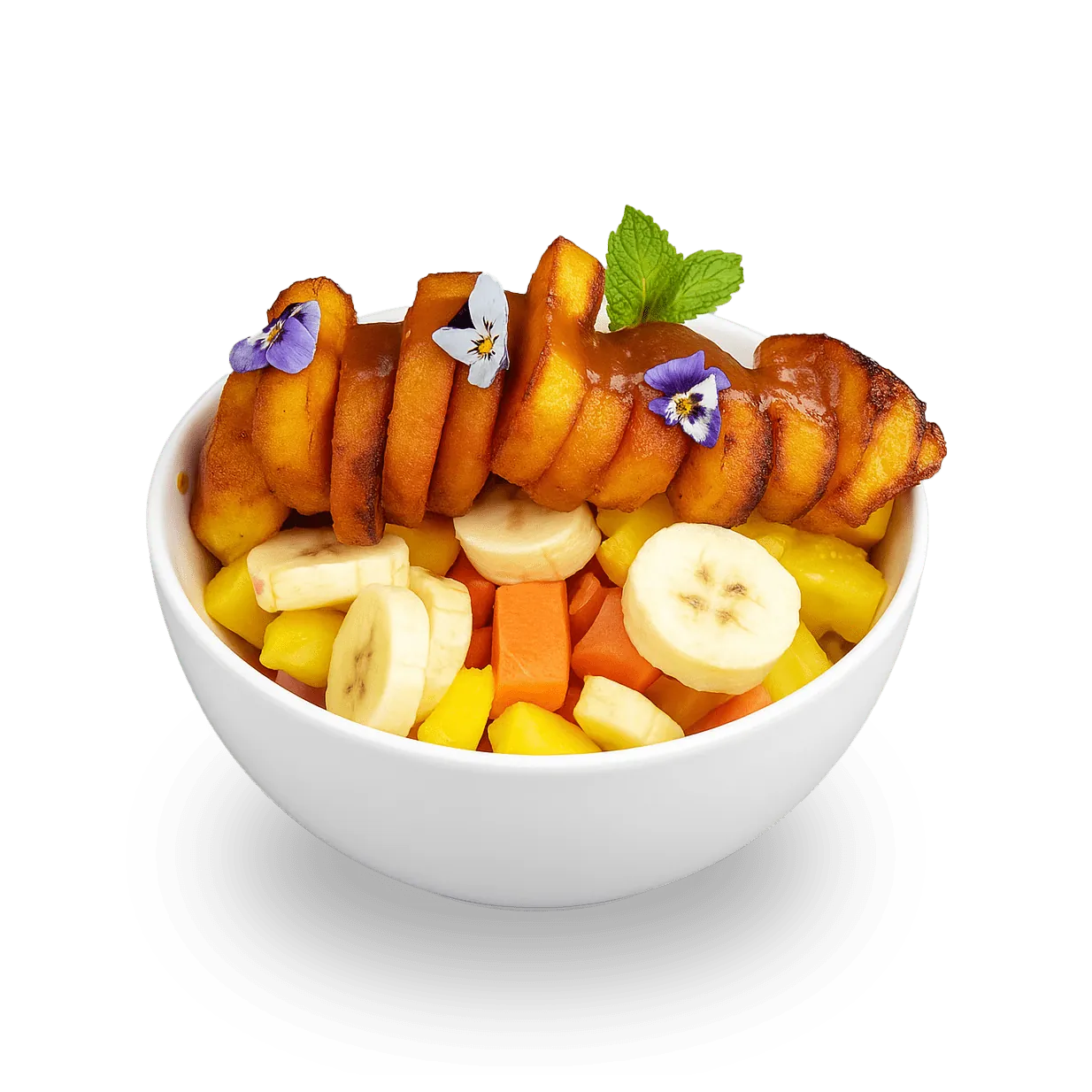
That who first tries an occha, ibia, cubias or native black potato usually gets surprised because none looks at all like a better known ingredient. There’s no exact equivalent to explain what they know earlier, and that makes them best known simply to be tested inside the plate where they are integrated, rather than trying to figure them out by comparison. The Commission’s decision to propose an other Colombian fruit of the letter they also appear at cocktails and desserts of his own.
If you have little time, ask for this.
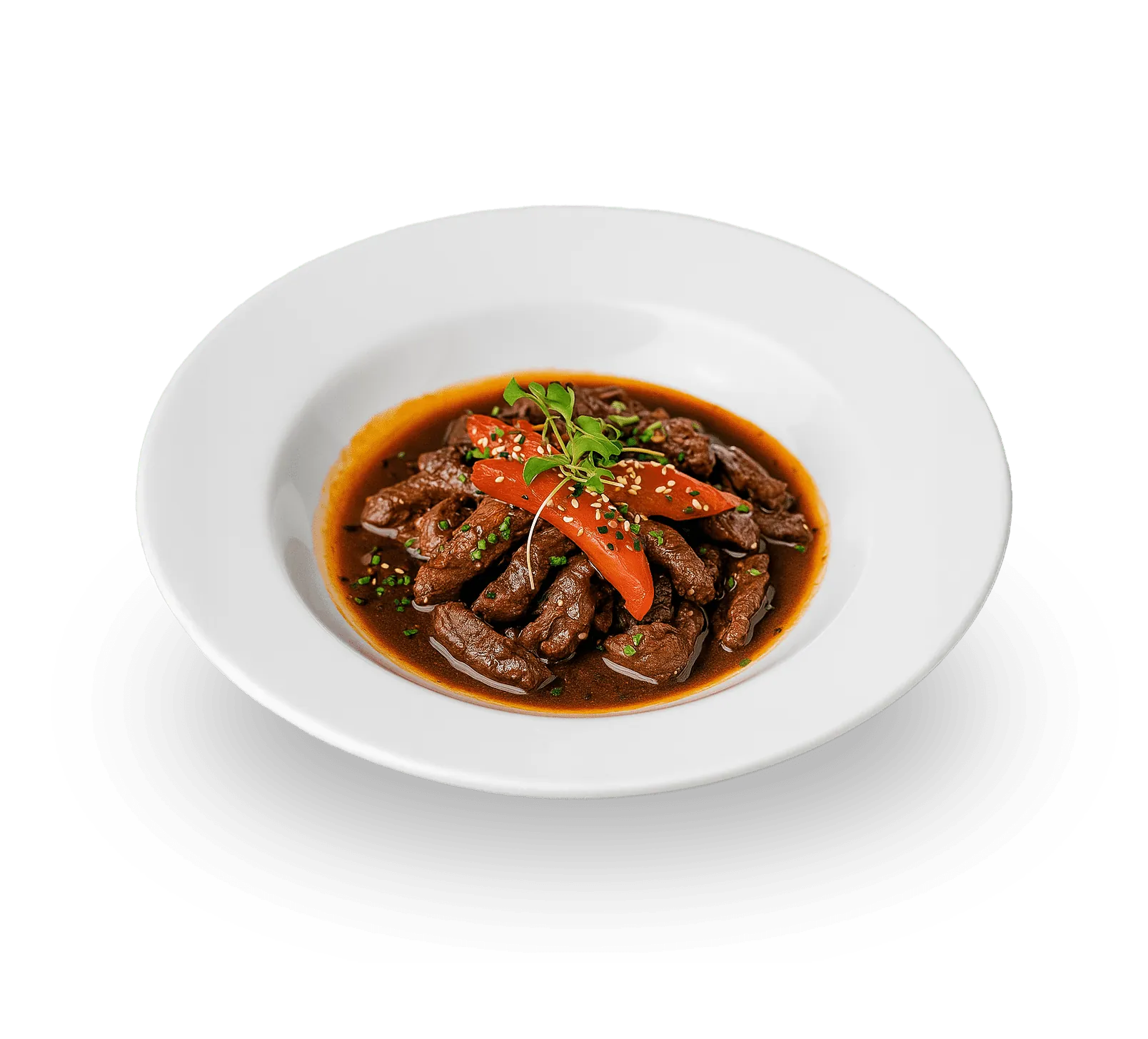
- Bondiola in cruba sauce ($51,800) with a Colombian tropical fruit as its leading figure.
- Jawk ($43,700) as a fresh entrance.
- Author’s cocktail 2×1 from the letter, to accompany food.
- Fitted with a deconstructed with Colombian guayaba as part of his recipe.
Where are Ibias and cubias usually achieved?
Almost always in rural and cold climate markets in the Colombian Andes and rarely in large supermarkets or restaurants outside these regions.
Is the native black potato the same as the Creole pope?
No, they’re different varieties. The native black potato has dark skin and a more intense taste and is grown on a smaller scale than the creole potato.
Can I have a plate with these ingredients only outside the tasting menu?
The complete combination of an occha, ibia, cube and native black potato is specifically at the time Chiminigagua from the tasting menu. The occha separately can appear in other preparations from the regular card.
Do these ingredients have any particular nutritional benefits?
They are traditional products of the Andean diet, generally high in fiber and with nutritional profiles other than those of more commercial varieties, but specialist sources should be consulted for specific nutritional information.
Why aren’t they more often listed in the regular letter?
Because their availability depends on very specific providers, making them more difficult to hold as part of a daily menu versus more widely distributed ingredients.
If you care about trying these flavors, discover the native ingredients with its plates and check when they are available.