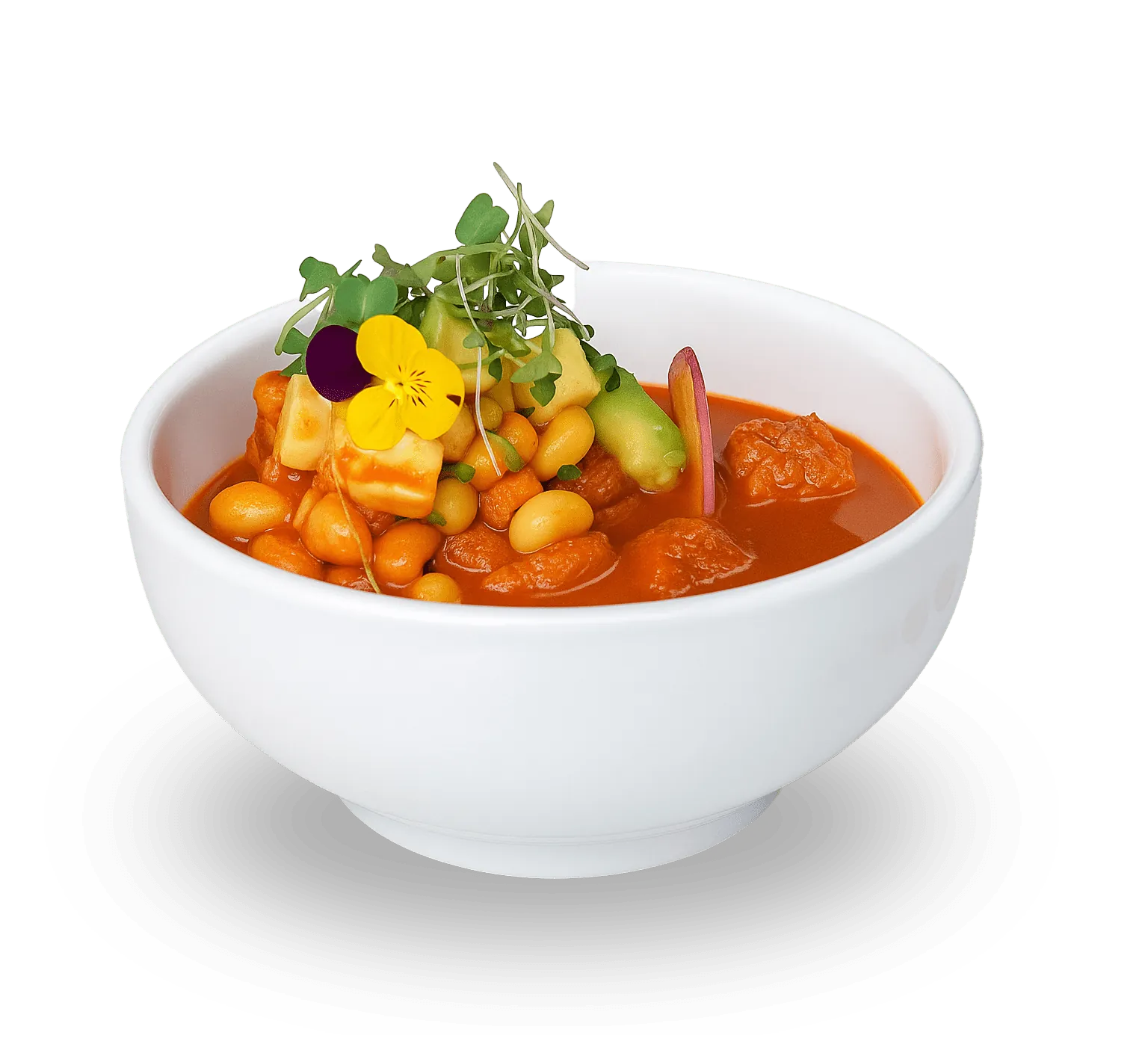
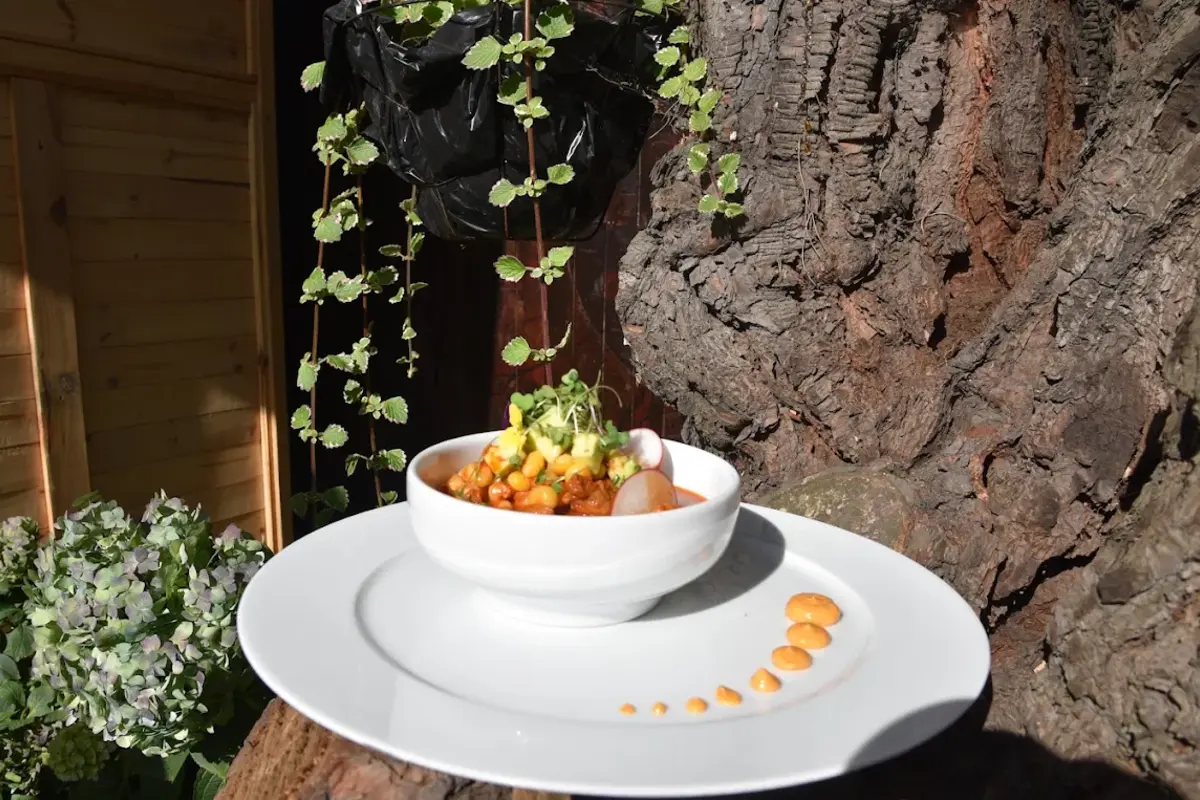
Rapid summary: Chiminigagua is the Colombian time of 3 Soles tasting menu with yellow corn, quinoa and native black potato, in honor of the muisca divinity that gives rise to life as established by the tradition of the Territory.
Of the five times of the tasting menu “The gods of fire and the sun”Shiminigagua pays his tribute directly to Colombia and particularly to the place where the restaurant is. It’s no coincidence that the plate was called after one of the central divinities of the muisca cosmovision, the culture that gave rise to Chia’s name itself.
Who’s Shiminigagua in Muisca tradition
In muisca mythology, Chiminigagua is the creative force whose light allowed the birth of landscapes, seeds, waters and life. Before anything else existed, as the story had been told, there was only darkness, until the light of Chiminigagua made it possible for the world to come into shape. It’s one of the most important figures of the muisca cosmovision, the indigenous culture that inhabited the savanna of Bogotá before the Spanish arrival and that left its mark on names of municipalities as Chia and Cota.
What’s with the plate Chiminigagua
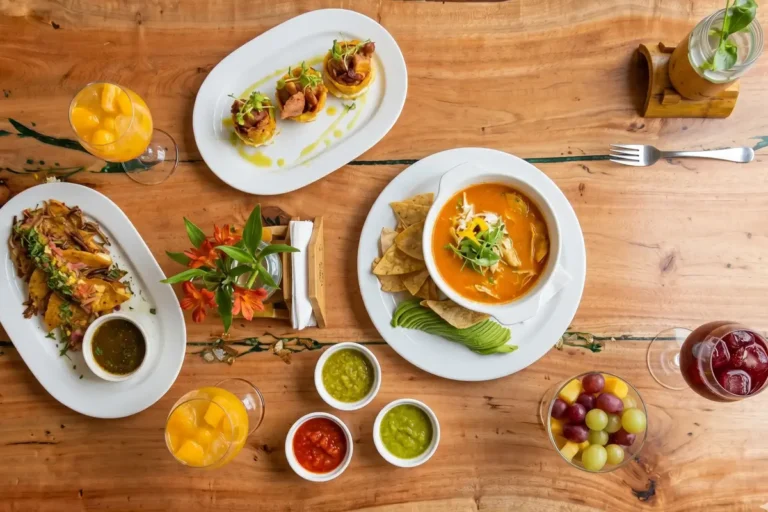
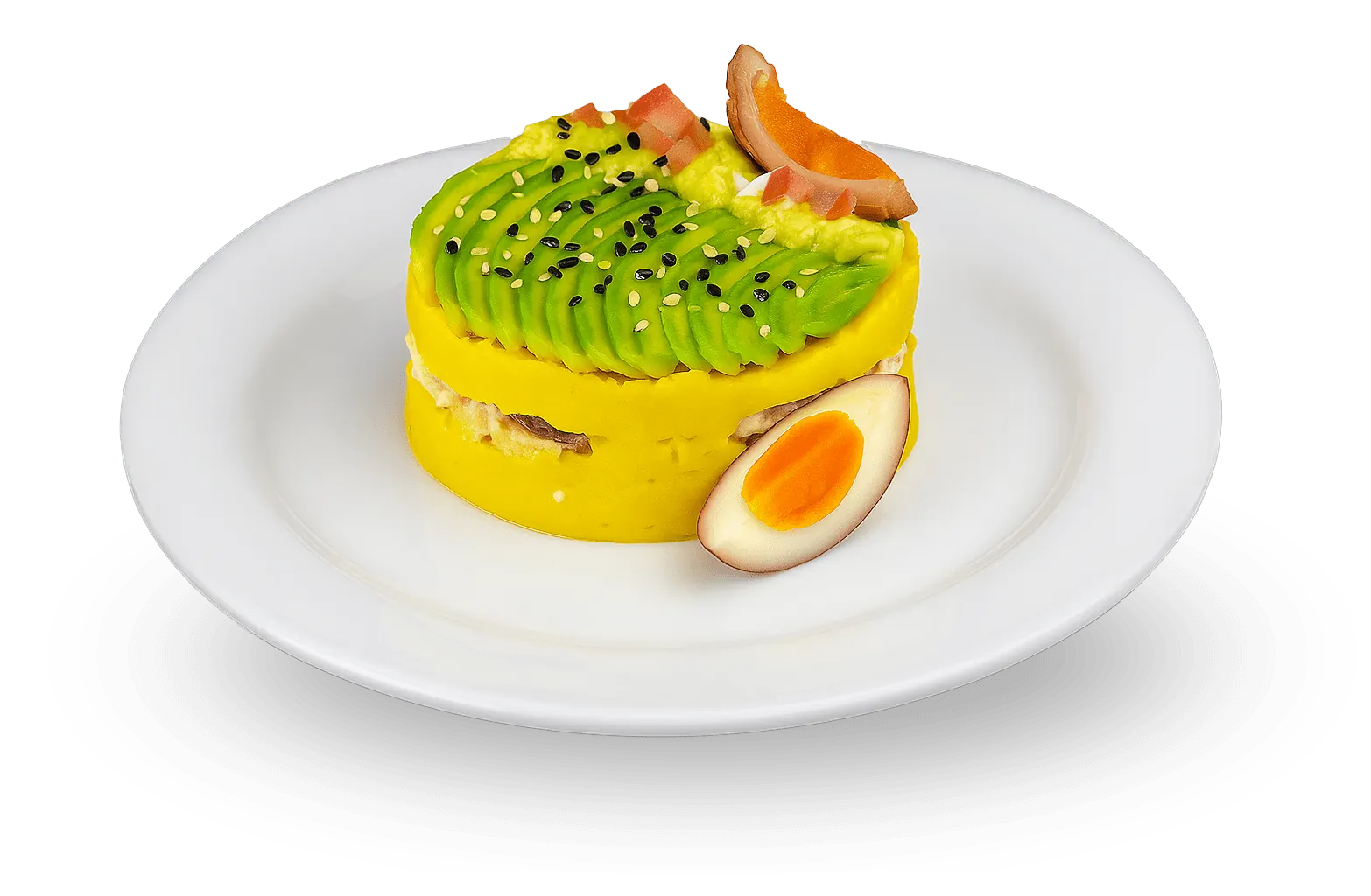
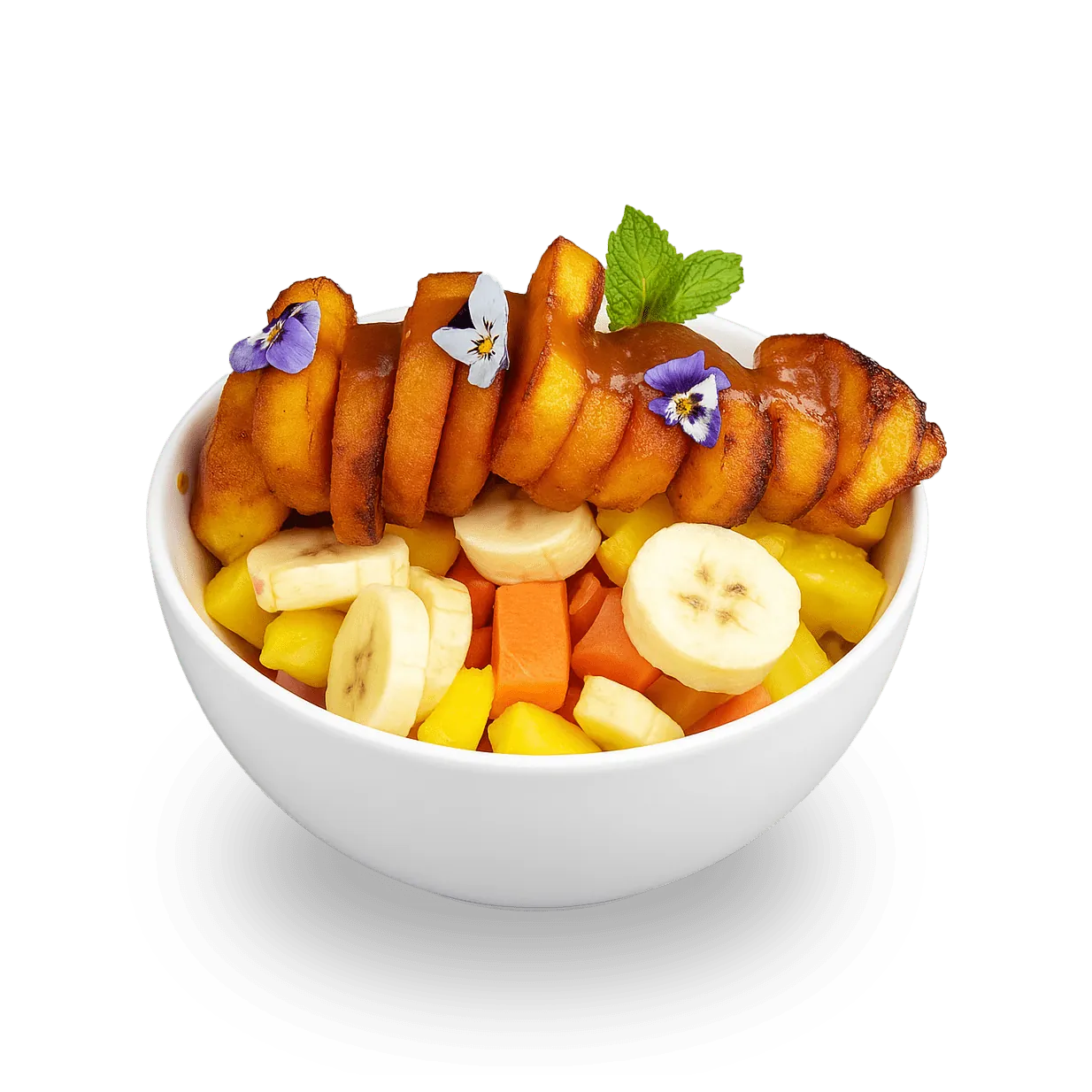
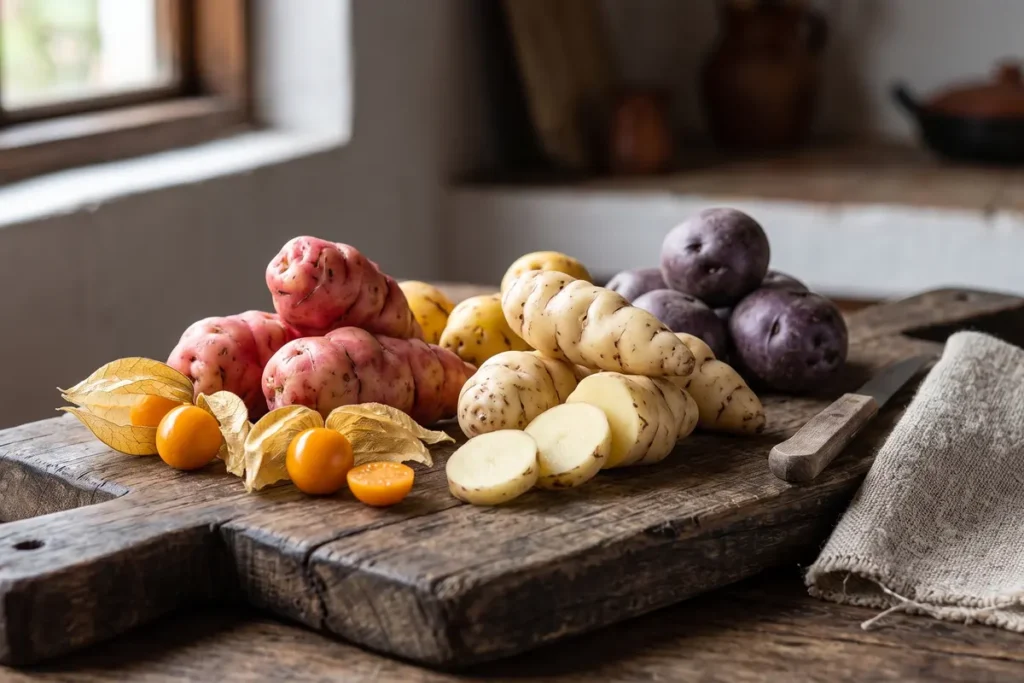
The time combines yellow corn, chicha, sugarcane, uchuva, chicken, saga root, ibia, cubias and native black potato. It’s a list of ingredients that, with the exception of corn and ducha’s, rarely appear together in a restaurant letter: native black potato, ibia and cubias are Andean tubers that are barely seen outside of the local peasant markets or very specific kitchens.
Why these and other ingredients
The selection isn’t random. Each of these products was part of the muisca diet before the arrival of ingredients brought from other regions of the world. Using them in a Spanish cuisine plate is, in a sense, a way to recover flavors that existed in this territory long before we talked about Latin American fusion and today Reinvented Colombian cuisine put back onto the table with a different presentation from the traditional one.
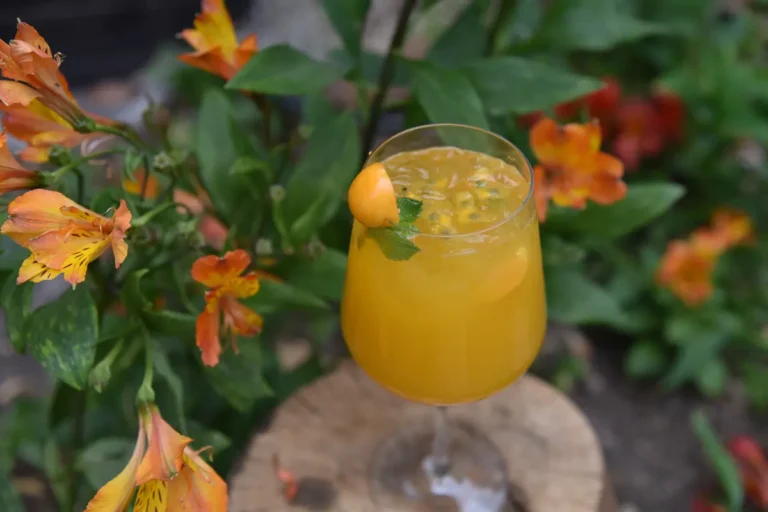
The pairing: Sua “The Sun” and Chia “The Moon”
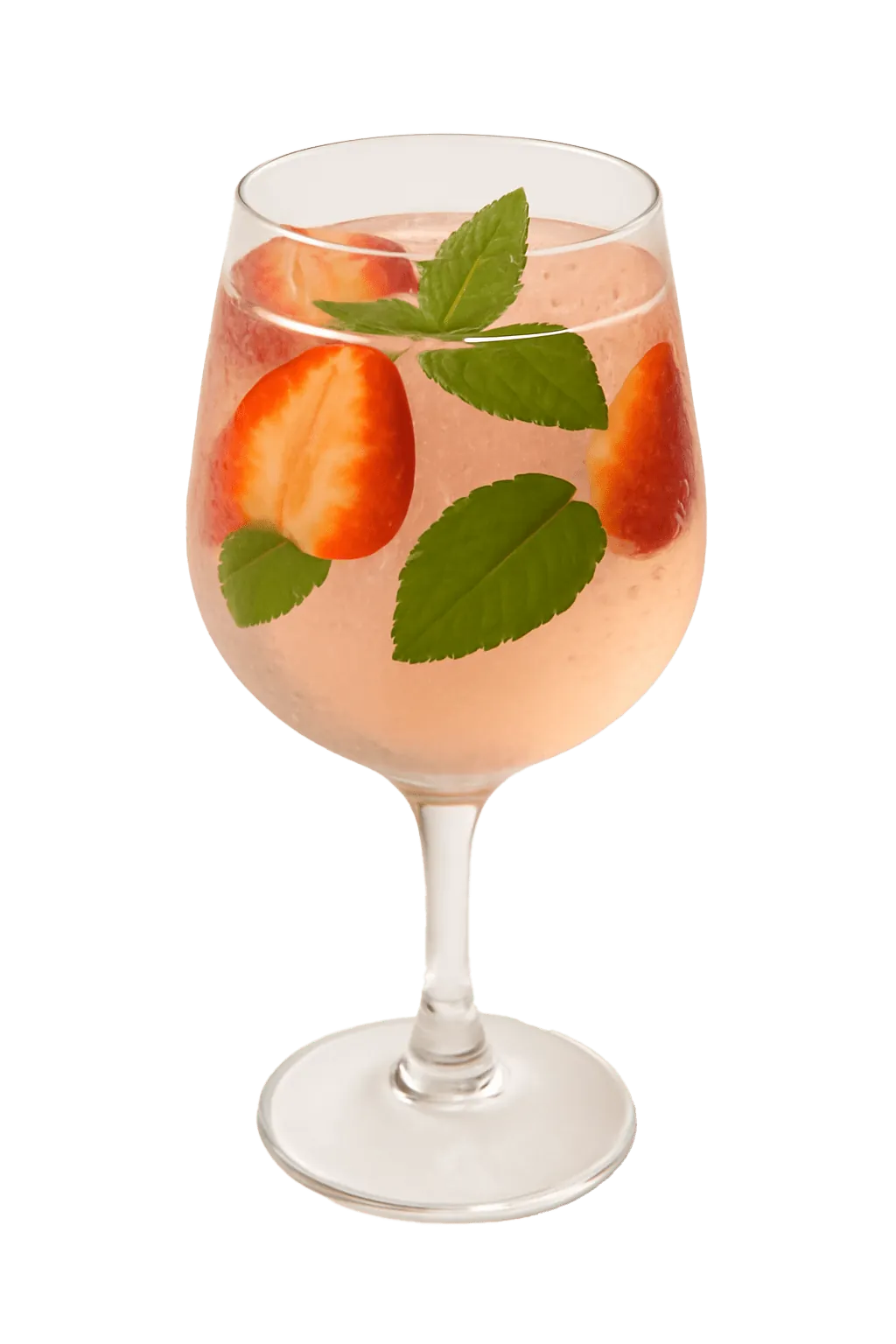
The time comes with a pairing with his own name: Sua, that in Muisa tradition represents the Sun, and Chia, that represents the Moon. The legend tells that light from Chiminigagua did not only allow the appearance of Sua and Chia but also made it possible to have the landscapes, seeds, waters and lives as a whole. That detail directly links the pairing with the name of the town where the restaurant is: Chia, in the Muisca tradition, is the goddess of the Moon.
Why this plate connects with the place where it’s served
Few restaurants have the possibility to serve a plate whose name and history are so directly linked to their place of operation. Chiminigagua is a generic tribute to Colombia and especially to the cosmovision that gave name to Chia. For those living in the area or knowing something about Muisca history, that detail gives an additional cape of meaning to the plate that would have been anywhere else in the country.
How to serve within the menu’s path
Within the tasting menu’s structure, Chiminigagua occupies the second time after the first three cultures have been met and have been merged. His place on his tour isn’t casual: his place arrives just as his guest has already tested something mixed and his place is ready for a time that completely focuses on a single tradition before passing to the following ones.
What’s different at this time from a typical Colombian dish
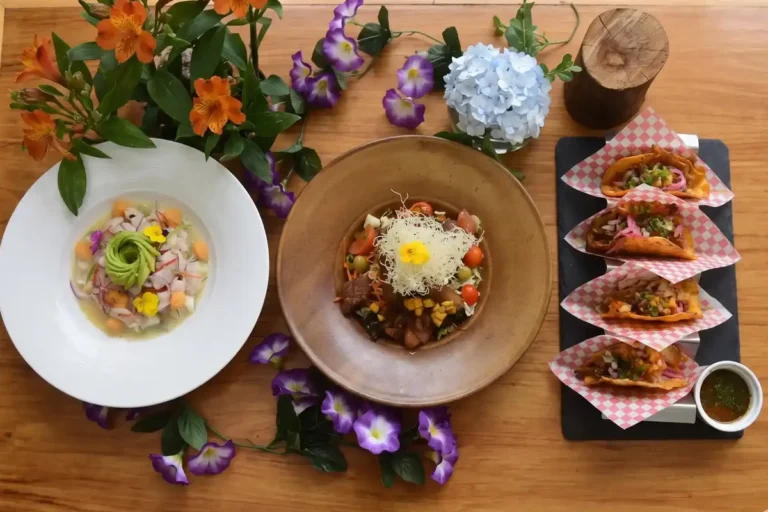
A traditional Colombian dish usually relies on simple cooking techniques: frying, and frying. Chiminigagua takes these same ingredients with a peasant root, as the native black potato or cube, and presents them with an autograph approach, without that means losing the original flavour of the product. That tension between the peasantry and the elaborate is part of what makes this time interesting within the complete course: it’s not a simplified version of a native ingredient, nor a traditional recipe served without change but something intermediate built with care.
If you have little time, ask for this.
While the next edition of the tasting menu is confirmed, the regular letter has plates with that same spirit of Colombian ingredient worked with an author’s technique:
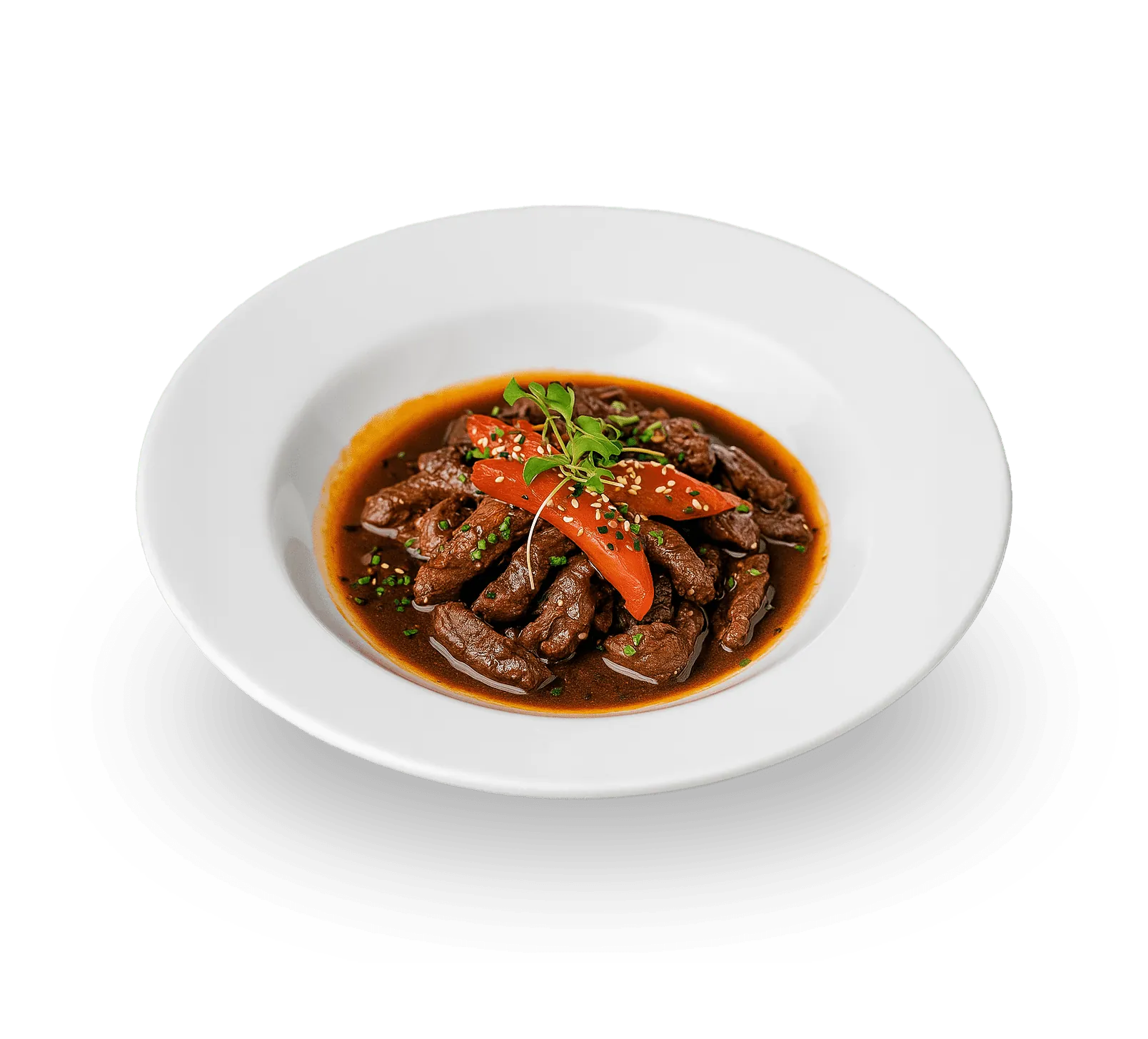
- Bondiola in cruba sauce ($51,800) with a Colombian tropical fruit as a leading player in the salsa.
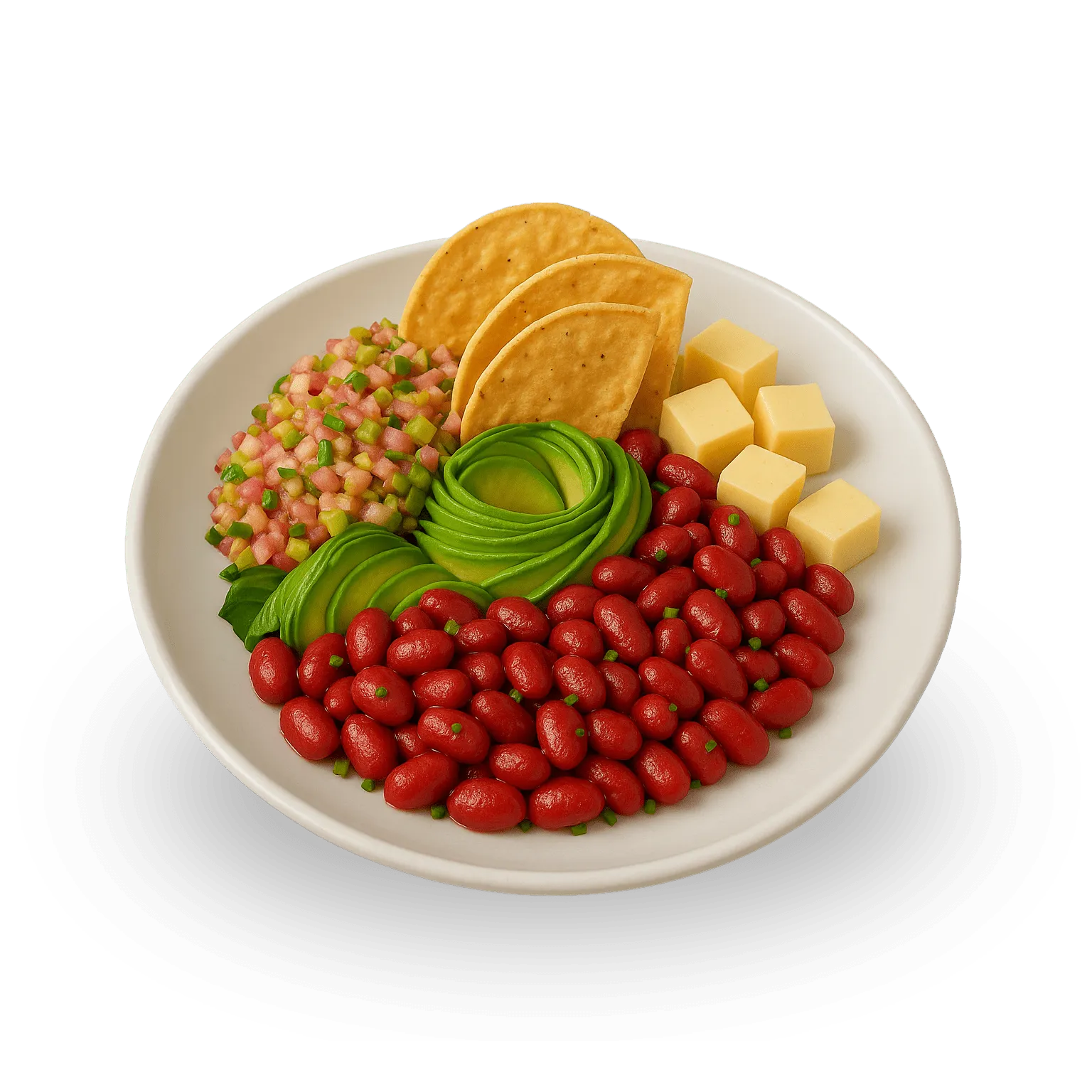
- Jawk ($43,700) as a fresh entrance.
- Author’s cocktail 2×1 from the letter, for the pairing of food.
- Fitted with a deconstructed with Colombian guayaba as part of his recipe.
Who’s Shiminigagua in muisca mythology?
It’s the creative force that light allowed, as traditional, the birth of landscapes, seeds, waters and life.
What ingredients does the Chiminigagua plate have?
Yellow corn, chicha, sugarcane, ducha, chicken, saga root, ibias, cubias and native black potato.
Why’s his pairing name called his name and his name’s his name?
Because in the Muisca tradition, Sua represents the Sun and Chia to the Moon, both born with light from Chiminigagua.
Do these plates have anything to do with the name of the municipality of Chia?
Yes, Chia’s a muisca name that refers to the goddess of the Moon, the same figure that gives name to the pairing of this time of the menu.
Can I order Chiminigagua outside the tasting menu?
No, this plate forms a specific part of the tasting menu “Gods of Fire and the Sun” and is currently currently available from the regular letter.
If you care about trying this and the other times of the tour, Know about the complete tasting menu and check with you at the next available date.