
A liquor that was born to heal, and not to celebrate
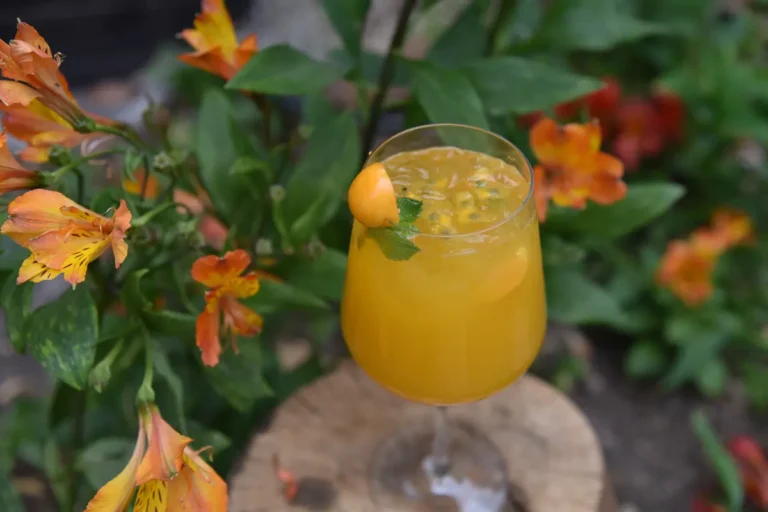
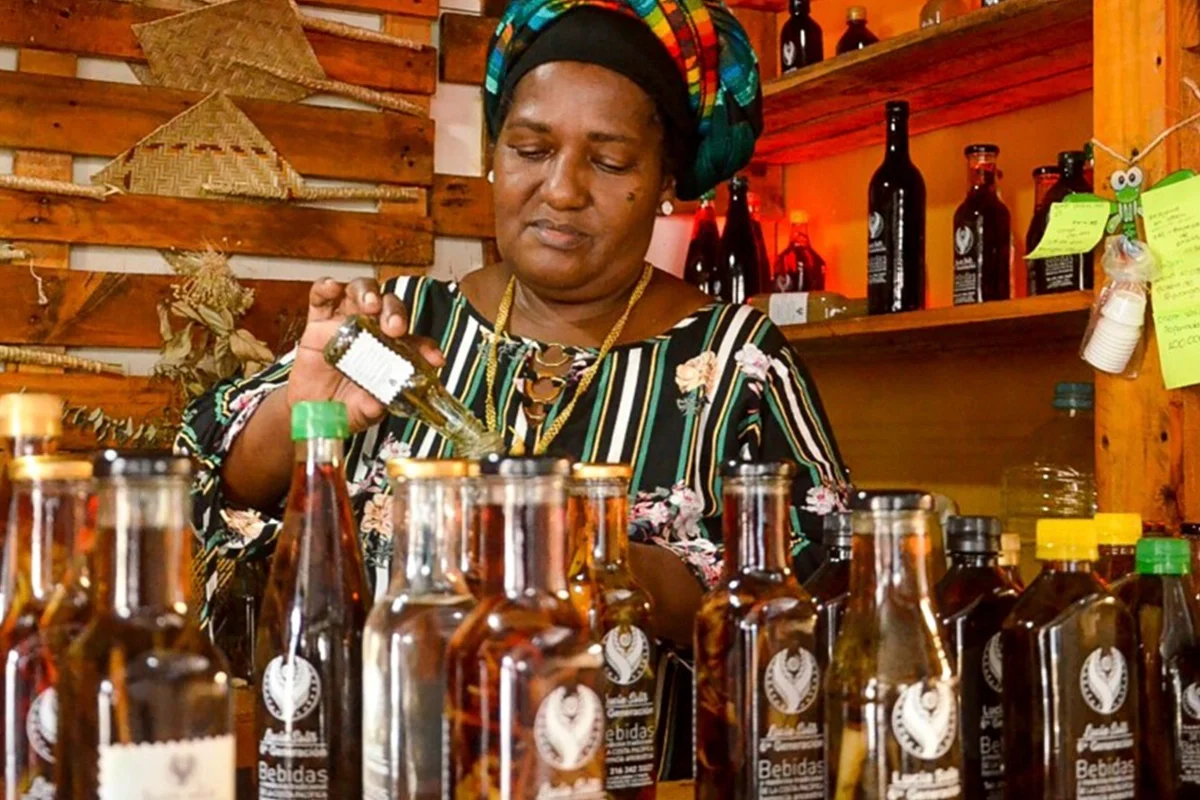
There are liquor that was born at a party and liquor that was born at a ritual. The viche clearly belongs to the second group. It’s a small-scale distillate from the Colombian Pacific, made with unrefined sugarcane juice, and for generations it was taken for nothing but for a good taste but for necessity: healers, midwives and sachets from Afro-descendants communities of the region used it for medicinal, ritual and spiritual purposes.
His name comes from the African word bichéand means “green” or “without maturation,” a direct reference to how it’s distilled: artisan, without the refinement processes that you would have expected from an industrial liquor. It has between 40 and 60 degrees of alcohol, and this puts it far above most distillate products that are usually consumed in Colombia.
Retirement to equity
In 2022, the viche was officially recognized as an Intangible Cultural Heritage of Colombia. That’s nothing minor: it means that the Colombian state formally recognized that this tradition, orally transmitted for centuries in Pacific communities, deserves protection and visibility. Before his recognition, his viche lived in a kind of legal limbo, production by communities that rarely had access to the same marketing channels as other liquor in his country.
That recognition also began to open the door to the viche in spaces where his earlier presence did not exist, from cocktail bars in Bogotá to discussions about Colombian gastronomic identity that until recently ignored him almost completely, something similar to what happened with other local ingredients that today are leading to the Spanish cuisine and coffee production at Chia restaurants.
Why’s his name been his healing liquor
The medicinal dimension of the viche is an anecdotal fact, its original reason for being. In Pacific communities, this distillate was present at births, physical pain cures and spiritual ceremonies, long before anyone thought of it as a social drink. That story remains alive in how some of its varieties are prepared, macerated with plants and fruit that were traditionally used for their properties, and not just their taste.
Understanding this changes how we get close to the viche. It’s not just “another regional spirit”: it’s a liquor that carries with it a memory of resistance, wisdom and community care that few beverages in Colombia can demand with the same force.
The varieties that exist
The viche isn’t a single drink but a family with different characters as maceration. If you want to understand the differences between each, this guide to 4 types of Vigo explain the cigar, the resting, coffee and the misttle and what’s best as you look.
Frequently Asked Questions
The viche’s legit in Colombia?
Yeah. Since its recognition as an Intangible Cultural Heritage in 2022, it has been supported by traditional Pacific producers.
That’s what the spirit’s about?
No. The viche is handmade with unrefined cane juice and preserves ritual processes and uses that are characteristic of Pacific communities and other than the production of the spirit.
Where can you get a Vigo?
It’s mainly achieved through producers from the Colombian Pacific and increasingly at bars and shops specialized in crafts liquor from other regions of the country.
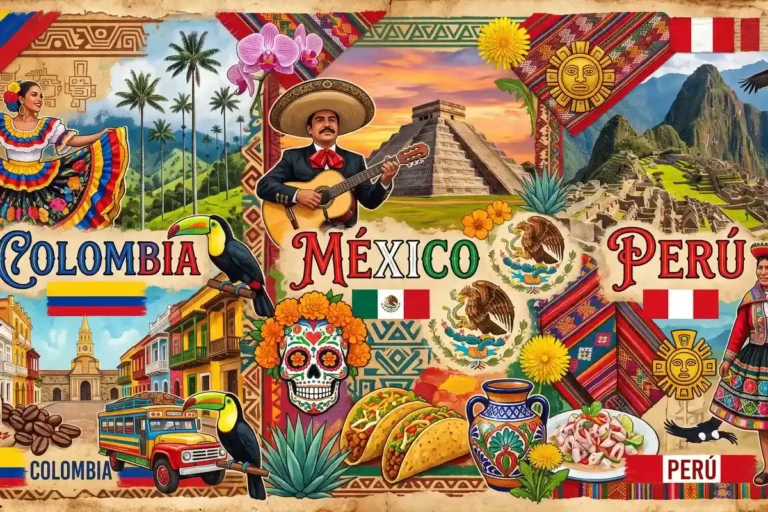
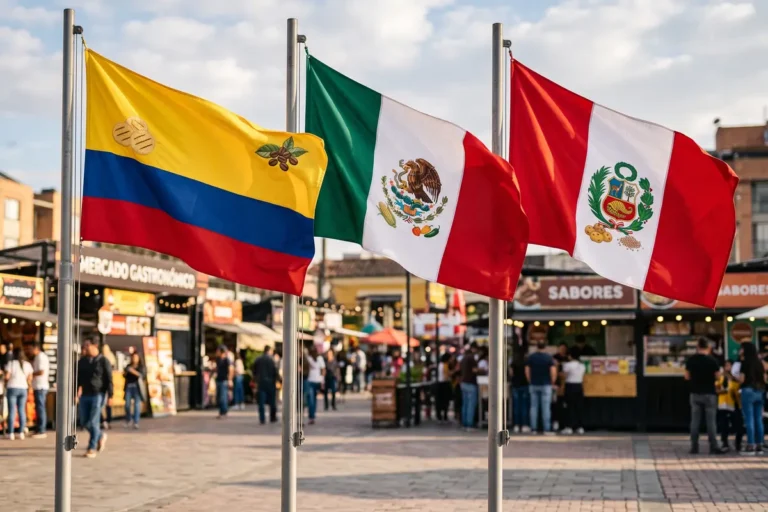
If you wish to continue to explore the gastronomic culture of Colombia, Mexico and Peru, Contact us here.