The plate surprising those who did not expect sea at Chia
Chia isn’t a coastal area, and however one of the most commented plates by 3 Sole customers is a tuna Tataki. It makes sense when you understand that Latin American fusion does not restrict itself to what’s about geographically: it takes the best of three kitchens and in Peru fish and sea play a central role, regardless of whether the restaurant is more than two hours from any coast.
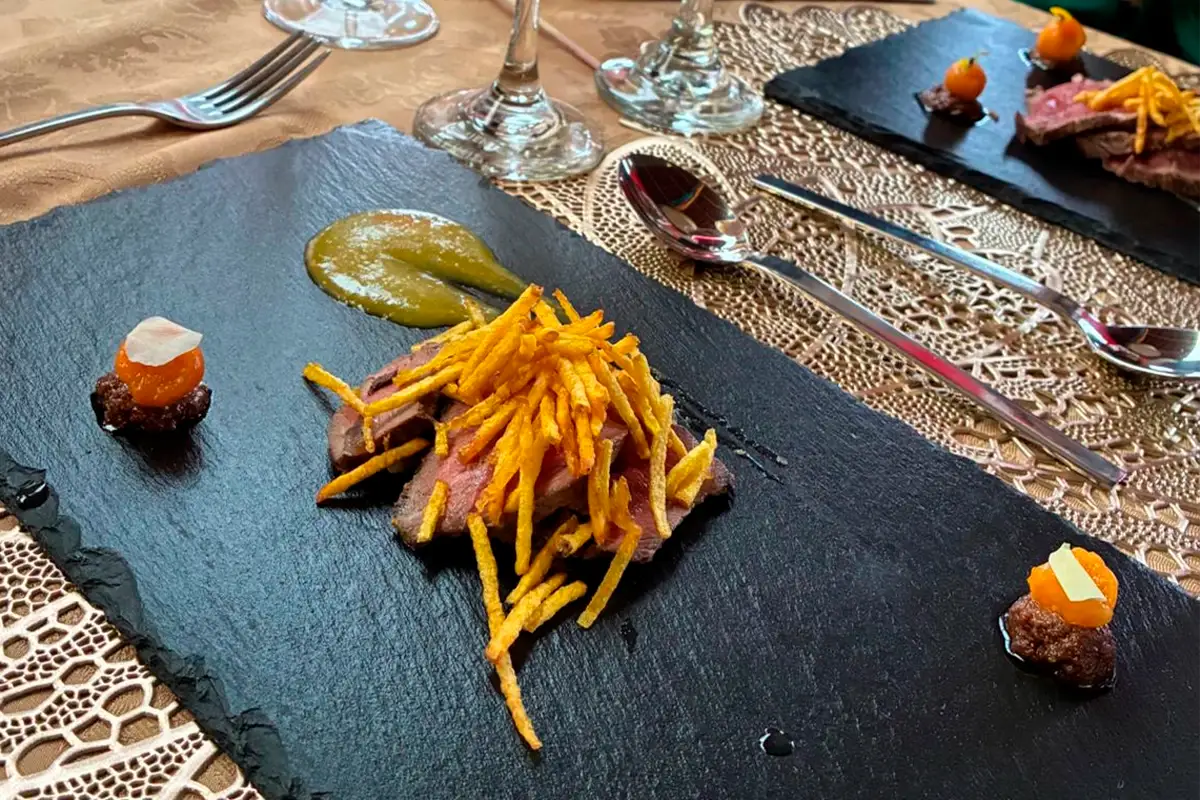
The Tataki ponzu camu camu ($44,900) is exactly that: medium-term sealed tuna with 150 g, and with a salsa that mixes the ponzu’s Japanese technique with camu camu, an Amazon fruit that gives an acid touch different from what one would expect from a traditional soy sauce. It’s a plate that’s technically not Peruvian or Japanese or Colombian but a sign that Peruvian cuisine has been talking with the nikkei tradition for decades, that historic fusion between Peru and Japan that began with Japanese migration at the beginning of the 20th century.
Why camu camu changes plate
Camu camu is a small, very acidic fruit typical of the Peruvian and Colombian Amazon with vitamin C levels far higher than common citrus. Indeed, some studies place it among the fruits with the highest concentration of this vitamin in the world, far above the orange. In ponzu sauce, that acid touch partially replaces traditional lemon, giving a deeper and less flat taste than the classic ponzu that you find at conventional Japanese restaurants.
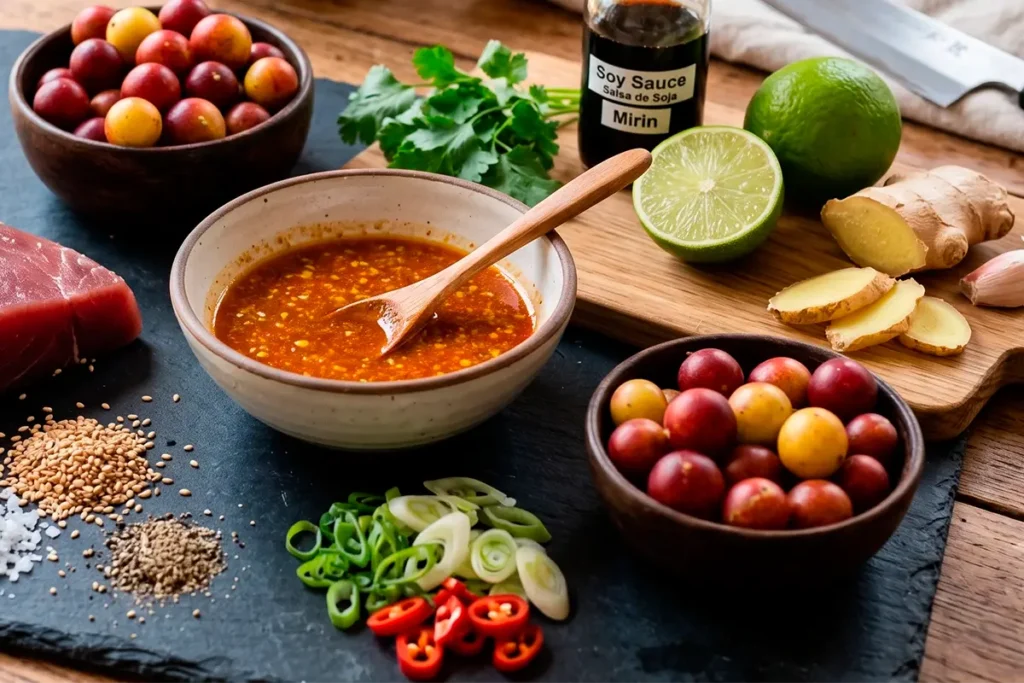
The result is a fresh, light plate that works well as an entrance before something more forceful, or as a main plate if the idea is a lighter food. The texture of the tuna, sealed only from the outside and raw at the centre, contrasts with the acidity of the salsa in a way that makes every bite feel different from that of the previous one, without reaching the point of tiring the palate.
How and what to have at the table
The plate comes served in a clear cut with the tuna steamed into thin strips that let you see the contrast between the exterior seal and the pink centre. The salsa is served directly by bathing the fish or next to them, depending on how the plate is assembled that day and usually come with some fresh element that cuts the intensity of the acidity, such as light sprouts or vegetables.
It’s a plate thought to share visually before eating it: it’s not unusual for people to take his photo before his first bite, something that social networks have become about a ritual with these forms of preparations.
If you have little time, ask for this.
The dataki ponzu camu ($44,900) works alone, without extra accompaniments, but if you want an entrance before, the steamed or tofu baskets are good choice to avoid charging up a table before the main plate. If you go as a group and have a share of flavors, matching with a mixed ceviche gives a good sample of what the Sea Section of the menu has to offer, without either of them feeling repetitive.
Other sea plates worth
If you liked the Tataki, the rest of the seaport have proposals on the same line of surprise. The shrimp chaifa It’s the safest choice for those who have something hot and powerful after a fresh entrance, while the mixed ceviche gets closer to the light and acid spirit of the dataki. Also there’s salmon in lemon butter and parsley, for whom you prefer something more classic without leaving the fish ground.
Frequently Asked Questions
Is the Tataki ponzu camu camu hot?
No, it’s a fresh and acid plate, and it’s not hot. The predominant taste comes from ponzu and camu camu salsa, and from no chili or spicy component.
That’s a big portion?
That’s 150 g of tuna, thought as an entrance or light main plate, and not as a strong and powerful plate. If you are looking for something more abundant, we should be accompanied with an additional entrance.
Are there other options for raw or sealed fish in the letter?
Yes, the Sea Section of the menu includes ceviches and other preparations with fresh seasonal fish as well as hot options such as salmon or steal.
Do you have a plate that’s changing with the season?
The fish used depends on availability, but the production and salsa are constant throughout the year.
If you feel like trying, book your table here.