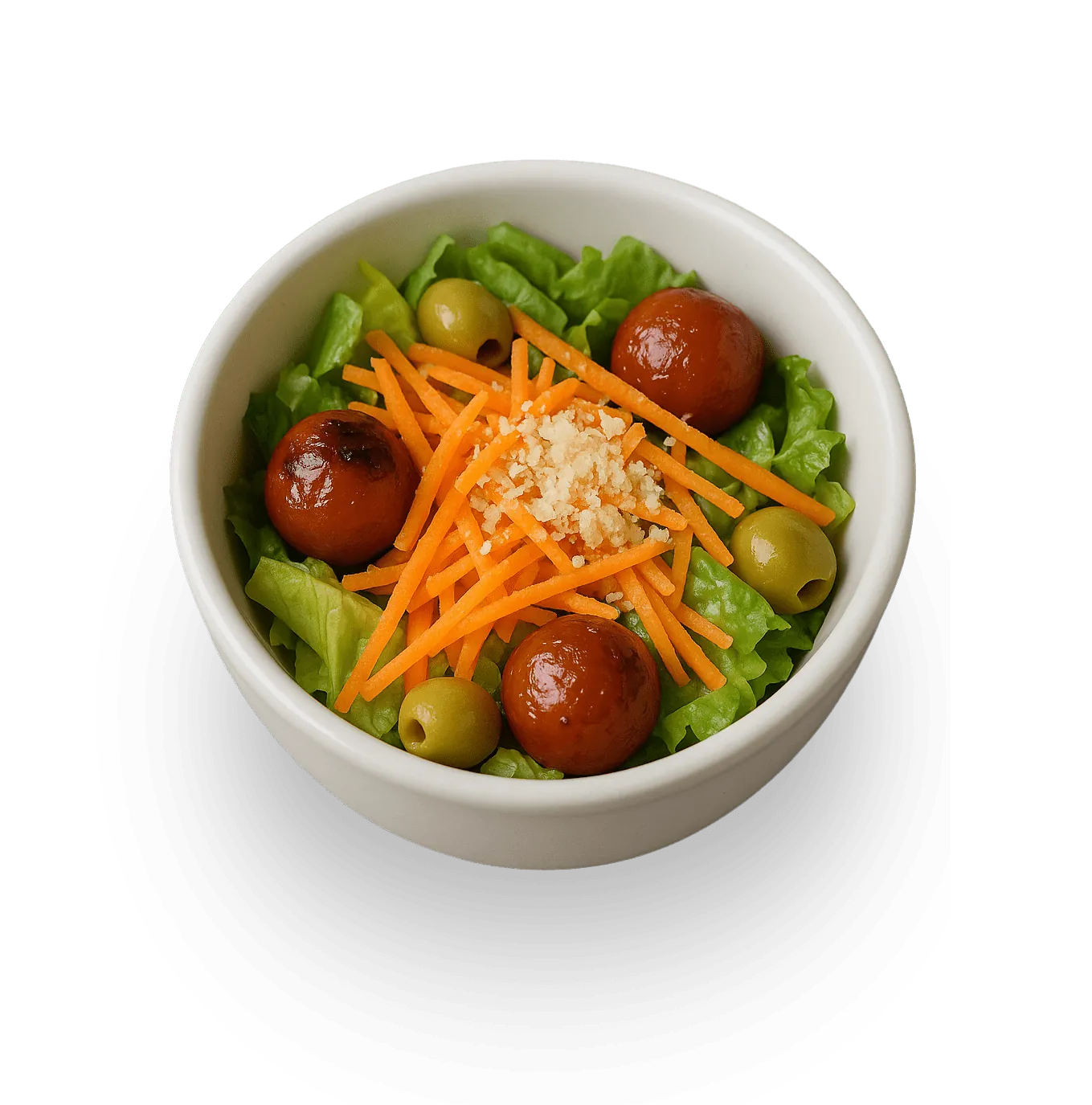
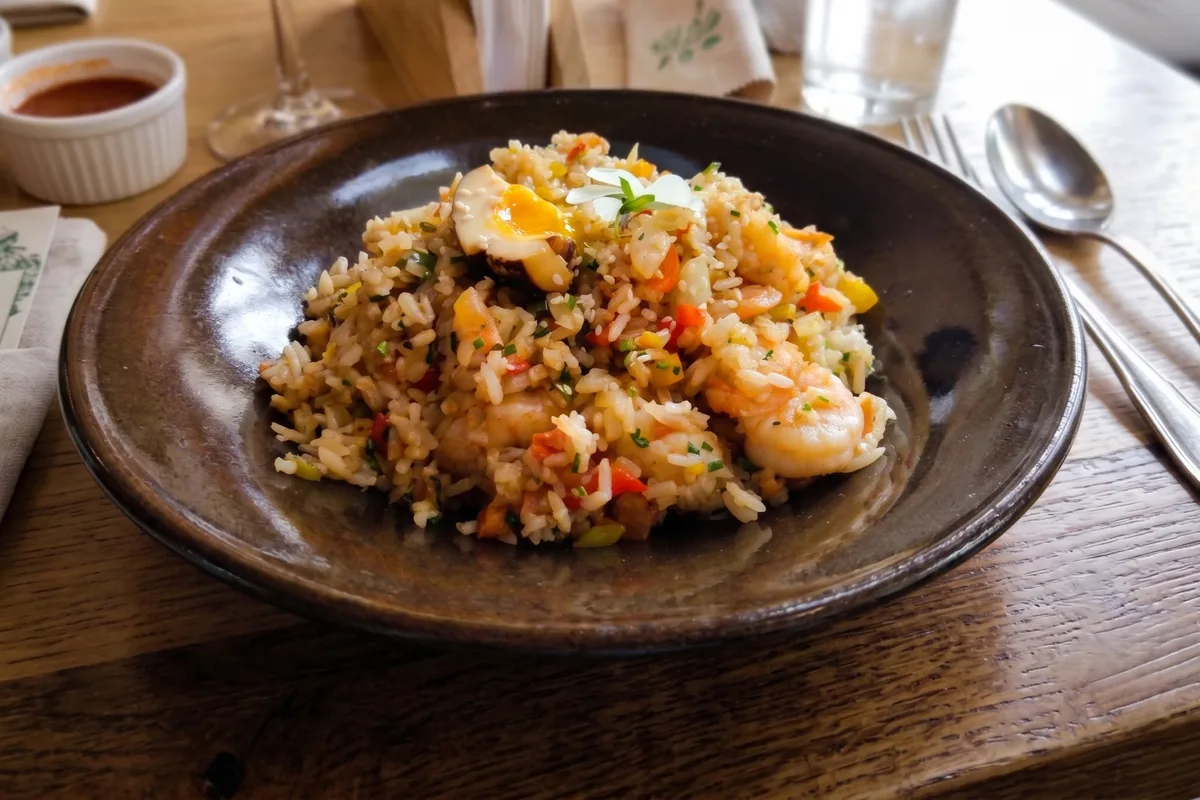
Rapid Summary: The 3 Soles shrimp chaifa combines Chinese-style salted rice with fresh shrimp and Peruvian seawat.A fusion that was born in Lima and today served in Chia 35 minutes from Bogotá.
Key points in 30 seconds
- Chaifa is a historic fusion between Chinese immigration and Peruvian cuisine.
- 3 Soles have three versions: chicken, shrimp and tofu.
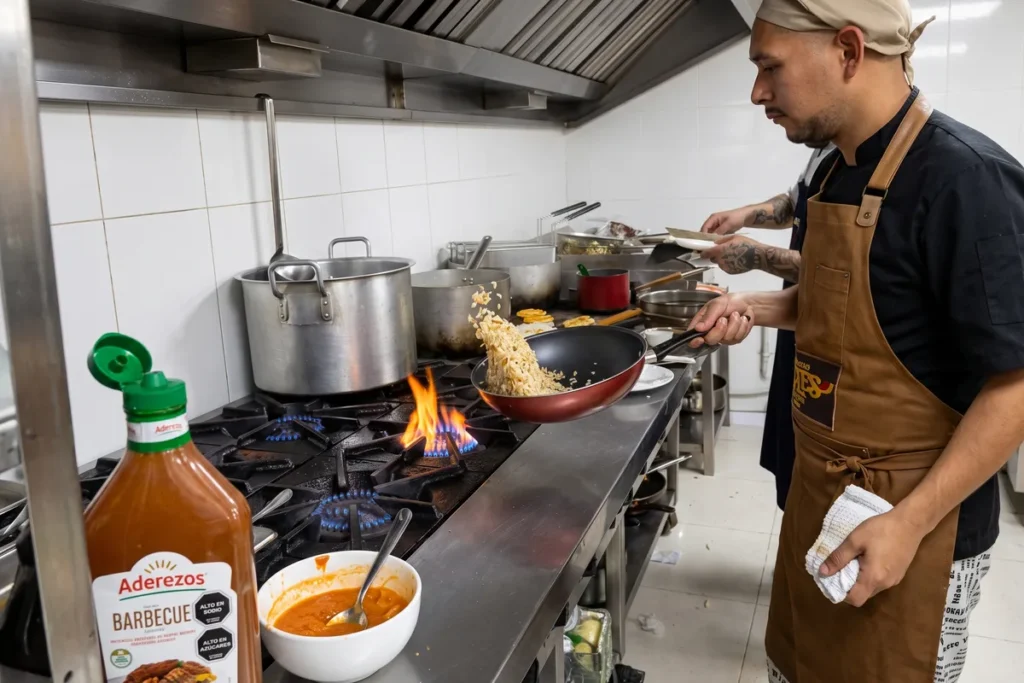
- The plate intersects Wok techniques with Latin American ingredients and date.
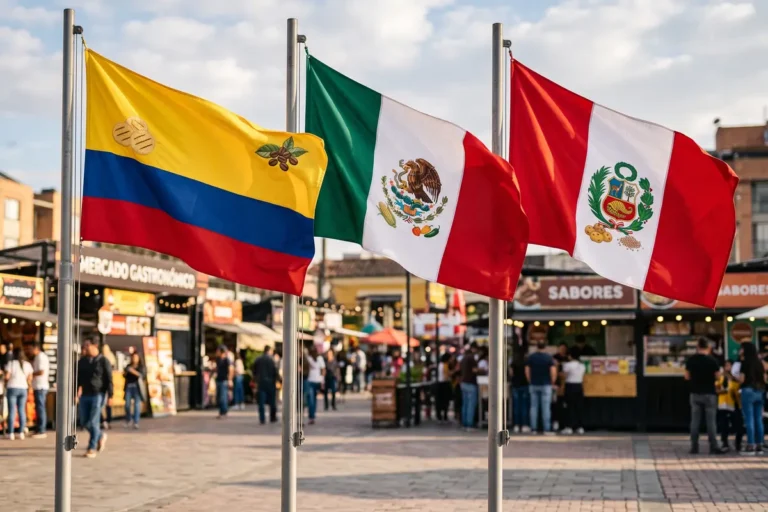
Almost no plate sums up as well as what fusion cuisine means as chaifa. It’s a forced blend of two fashion kitchens but the result of more than a century of Chinese immigration into Peru, adapted today to a cuisine that looks also to Colombia and Mexico.
Where did the chaifa really come from?
The chaifa rice was born from the Chinese community that arrived in Peru in the 19th century and was adapting its Wok techniques to its new country’s ingredients. That soya, ginger and jonjoli pitted with soya and with that rice became as Peruvian as any plate with an indigenous or Spanish root. At 3 Soles, that inheritance is served with other plates from the History of Peruvian cuisine That she got to get settled at Chia.
What makes shrimp chaifa special
The 3 Soles shrimp chaifa follows the classic base of Chinese-Peruvian-style fried rice (vegetables, ginger, soya and ajonjoli) but adds fresh shrimp as a main protein, giving them a lighter profile than chicken’s version. The result is a plate that works as well as full lunch as to share at the centre of the table.
3 versions, same concept
The chaifa isn’t unique to the shrimp: the restaurant also offers with chicken and tofu, the last thought for those who seek a vegetarian choice without passing from the original concept of the plate. Having these three versions in the letter allows the same group to order different proteins from the same base plate, something unusual with a menu of this size.
How to compare with other carta rice plates
The 3 Soles letter has more than one choice of pitted or prepared rice, sometimes generating doubts about which to order. The chaifa is distinguished by its high-fire Wok technique and its Asian-Latino date while other plate plates, such as the tacos and paisines in ChiaThey represent the Mexican menu line. To demand one or another depends more on how to get a date than what’s best: they’re different mergers within the same restaurant.
How to ask if this’s your first time
- Decide protein. Shrimp for something lighter, chicken for a more classical version, tofu for the vegetarian choice.
- He’s applying for some entrance while he’s ready. The chaifa is served just salted, so a light entrance fills well the time of waiting.
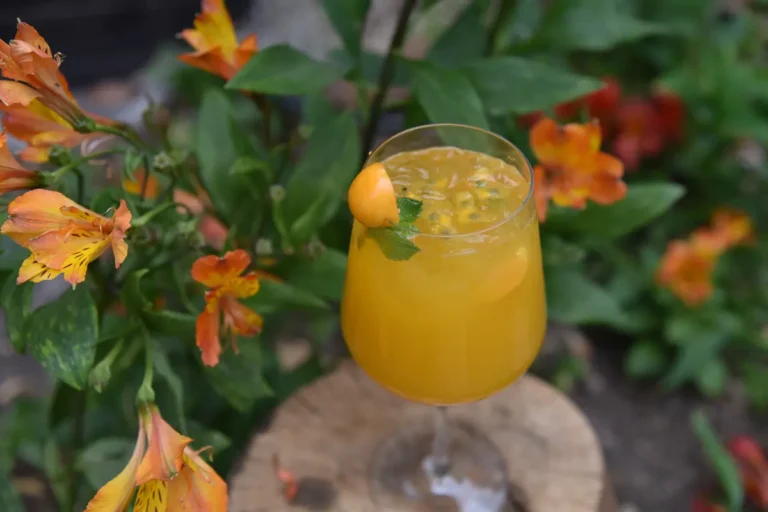
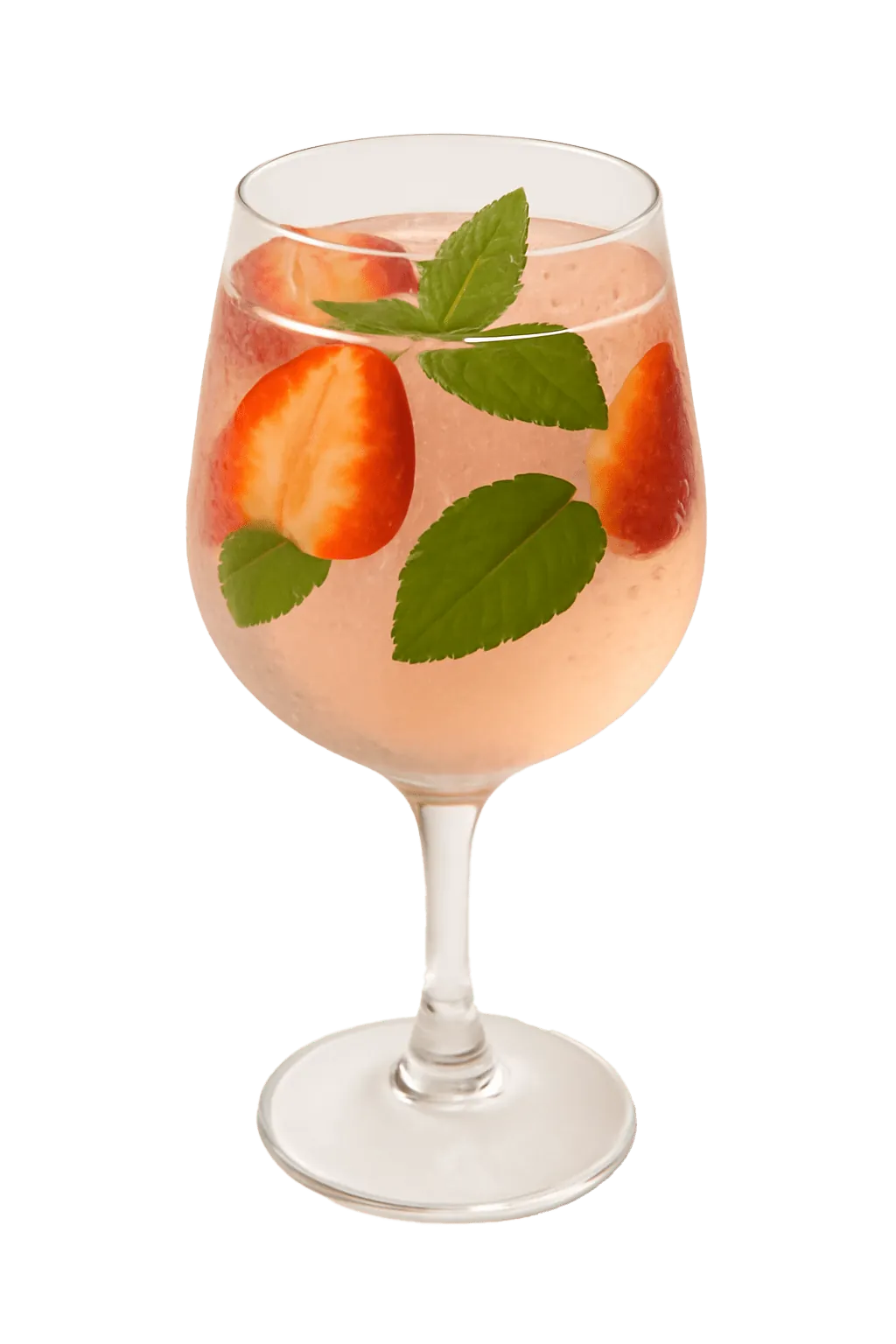
- Fold with an autograph cocktail. Several cocktails of the letter, as those with Peruvian inspiration, well accompany the chaifa’s date.
- Question about the size of the portion If you plan to share with several people.
How hot or how strong the chaifa’s time is
Unlike other plates of the letter with more presence of aji or chili, the shrimp chaifa has a soft flavored profile, dominated by soya, ginger and jonjolí, with no protagonic spicy. That makes it a secure choice for those who prefer to avoid very hot plates, including children who wish to have something different from the traditional children’s menu.
What’s it feel like to first ask for it
The first surprise is usually the technique: the rice arrives loose with each single grain rather than compact as a traditional white rice, as a result of its high-fire frying at Wok. The second surprise is the smell, closer to an Asian cuisine than what’s usually been expected from a Colombian countryside restaurant. That combination of oriental and Latino atmosphere is, at its core, a summary of what it means to order chaifa at 3 Soles.
What to combine with if you’re looking for a complete meal
The shrimp chaifa works well as a unique plate but can also be thought as part of a longer meal. A fresh entrance, as with mixed ceviche, contrasts well with the salted taste of the chaifa and an author’s cocktail of letter 2×1 closed the order without needing to add a heavy dessert after a plate that was already quite complete by itself.
If you have little time, ask for this.
- Chamberham chaifa ($46,900), the sea version of the plate.
- Chicken chaifa ($33,000), if you prefer something more classic.
- Tofu chaifa ($42,600), the vegetarian choice.
- A pisco sour from the classic letter, to be accompanied with a taste also Peruvian.
The shrimp chaifa’s hot?
No, his date is built on soya, ginger and ajonjoli, with no protagonic spicy, unlike other plates from his letter with more presence of aji.
Can I have the chaifa as a plate to share?
Yes, while thought of as an individual plate, several people usually ask to share with other tickets.
What’s the difference between shrimp and chicken chaifa?
The base of rice, vegetables and season is the same and the difference is with the main protein, which changes the taste profile and texture of the plate.
Is there a vegetarian version of the chaifa?
Yes, tofu’s chaifa replaces the animal protein with a marinated tofu and keeps the same production technique.
Can the chaifa be ordered to wear or just to eat at the restaurant?
The plate is intended mainly for consumption at the restaurant, where it’s served freshly salted and hot, and best preserves its texture.
If you want to prove this Peruvian-Chinese fusion in person, see the complete 3 Soles letter and discover the three versions of the chaifa.