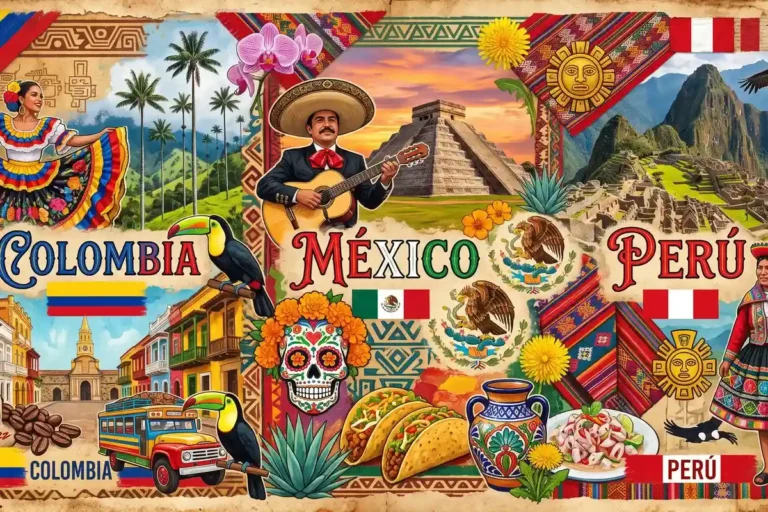
How Peruvian food spread across Latin America and arrived in Colombia, and which Peruvian dishes you can order at 3 Soles in Chía.
Peruvian cooking is now one of the most celebrated in the world. That recognition didn’t happen overnight. It is the result of centuries of mixing, migration and quiet work that turned an extraordinary geography into a pantry like no other.
It reached Colombia late, but it arrived well. In recent years it has found an eager audience in Bogotá and in towns like Chía.
A geography that explains everything
Understanding Peruvian food starts with the land. Peru has coast, highlands and jungle in a fairly compact area, which means fresh Pacific fish, high-altitude tubers like potato and oca, and Amazon fruits and spices all within reach. Few cuisines in the world have that range, and everything else was built on it.
Before the Spanish: potato, corn and ají
Andean cooking was already sophisticated before the conquest. The potato, native to the Andes, existed in hundreds of varieties. Corn was the staple and the base of ritual drinks like chicha. Ají, in its many forms, gave each dish its character.
Preservation techniques were advanced too. Chuño, potato freeze-dried by cold and sun, could be stored for years. That habit of making the most of an ingredient is still part of Peruvian cooking today.
Spain and Africa: the first great fusion
The Spanish brought citrus, onion, garlic, pork and beef. They also brought enslaved Africans, whose cooking traditions shaped the coastal kitchen in particular. Andean, Spanish and African worlds together produced the first great Peruvian fusion. Dishes like carapulcra, seco and anticuchos come from that mix.
Chinese and Japanese immigration: chifa and Nikkei
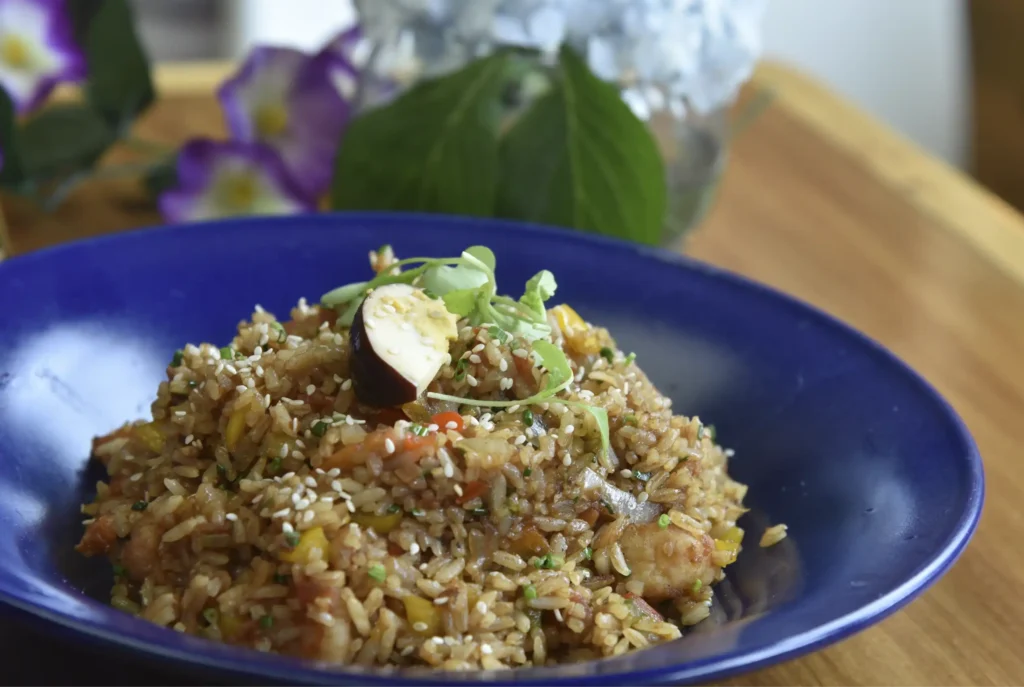
In the 19th century, Cantonese immigrants came to work on coastal haciendas. They brought high-heat stir-frying, soy sauce and the wok. Mixed with local ingredients, that gave birth to chifa cooking, whose best-known dishes are lomo saltado and arroz chaufa.
Later that century, Japanese immigrants arrived with precise knife work and respect for raw fish, which went on to influence ceviche and Nikkei cooking. Tiradito, for example, is a Japanese-Peruvian dish.
How Peruvian cooking reached Colombia
It happened gradually. First came the ingredients: ají amarillo, chicha morada, pisco. Then the dishes, with Peruvian ceviche appearing on Bogotá menus as an alternative to the Colombian kind.
Over the last decade, with food tourism and the international profile of Peruvian chefs, that presence settled in. Today there are restaurants in Bogotá and around the Sabana that take it seriously.
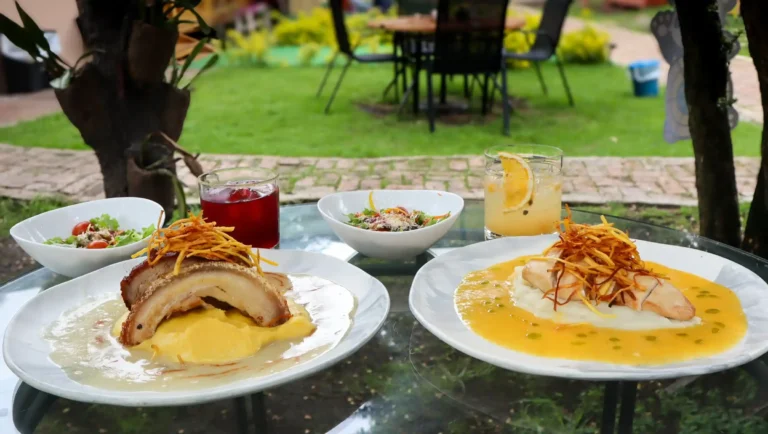
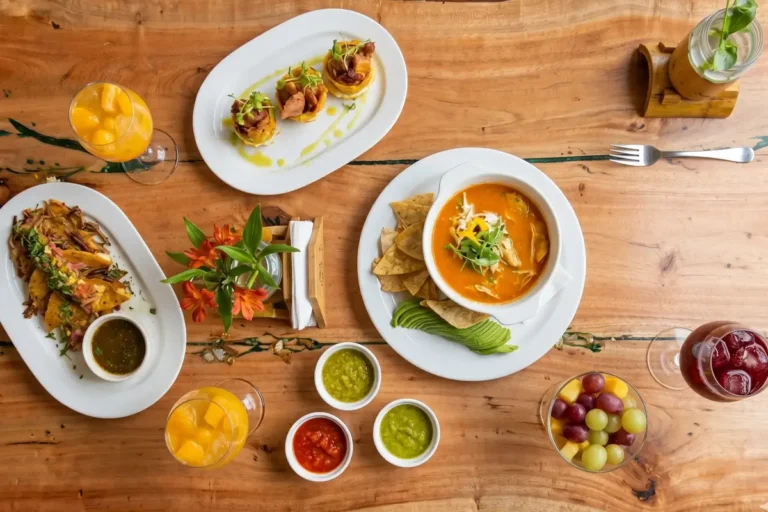
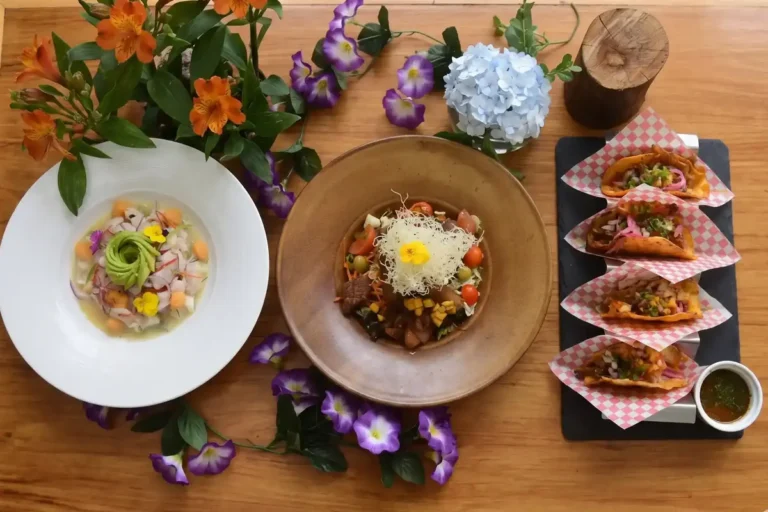
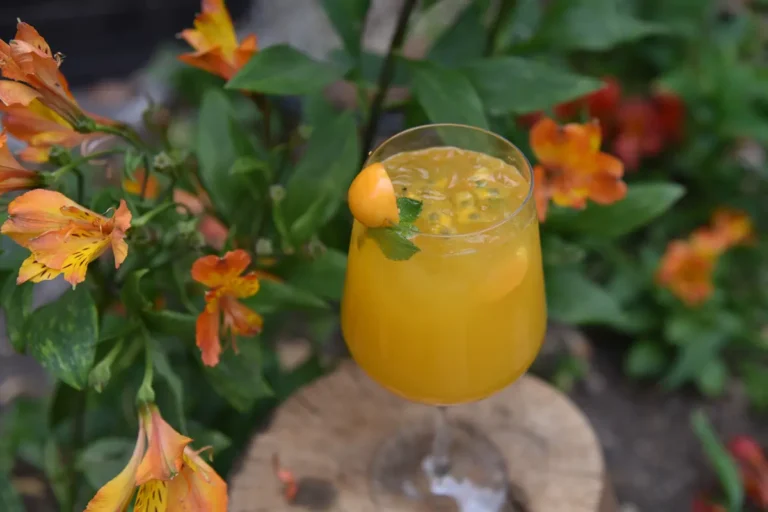
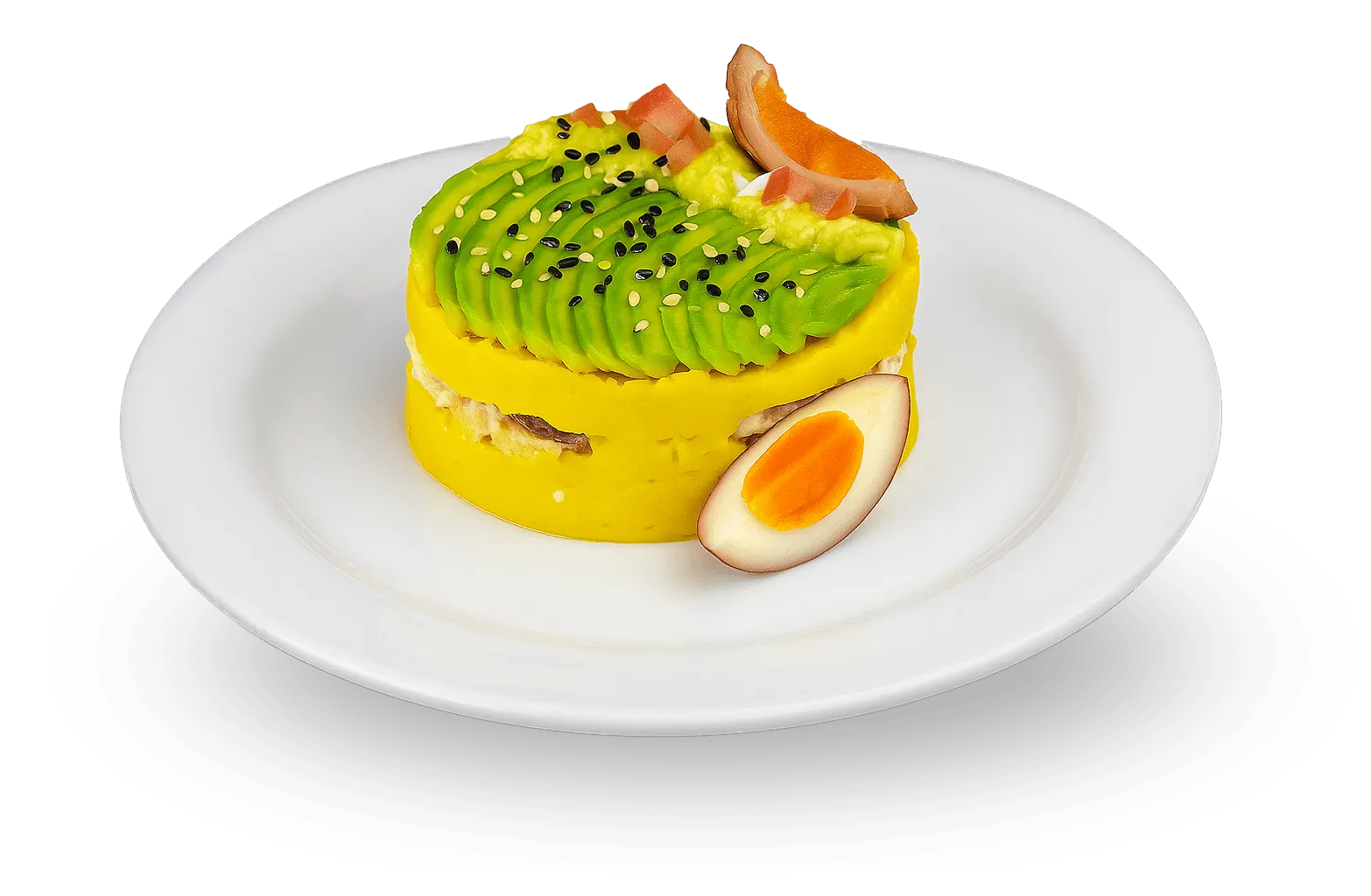
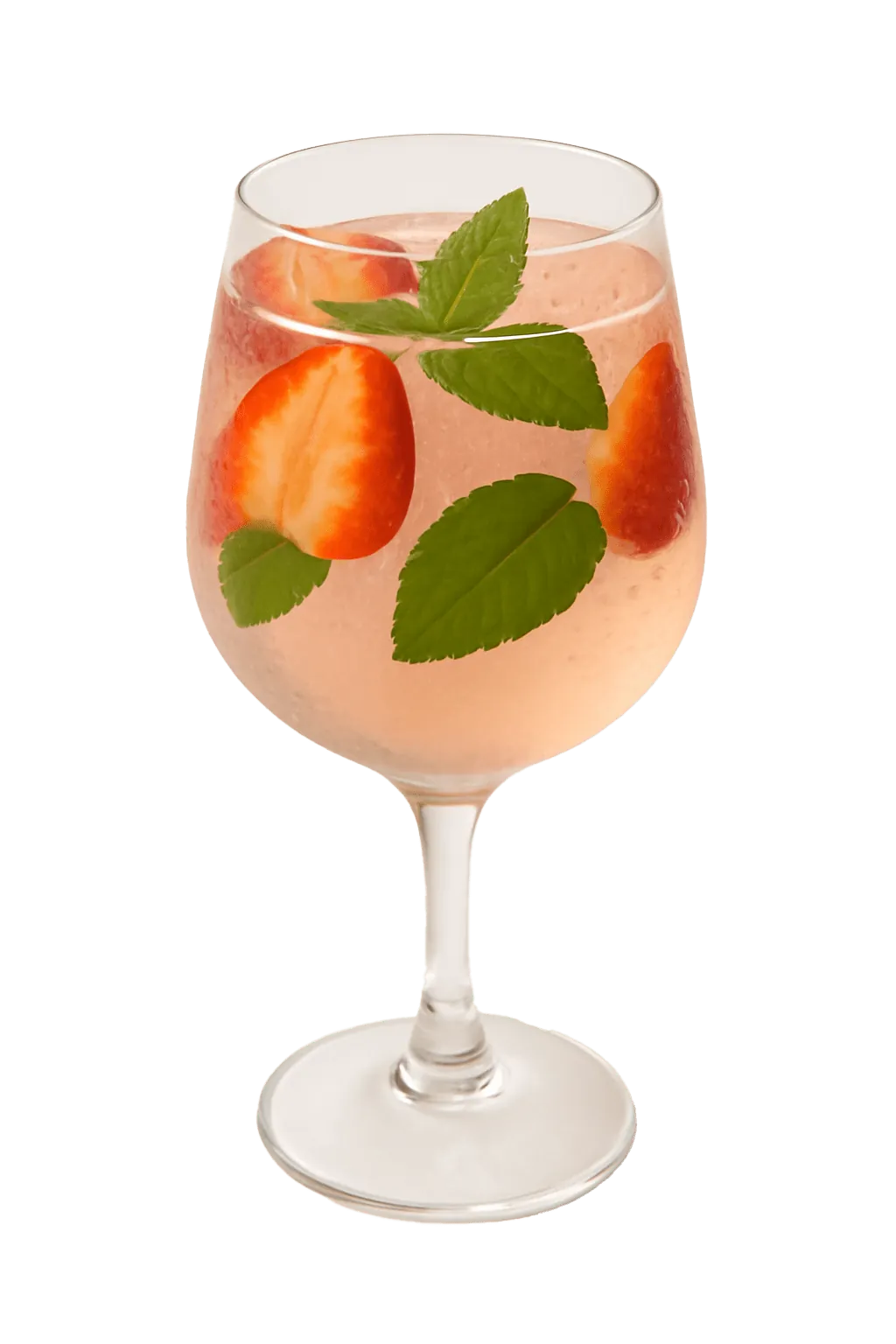
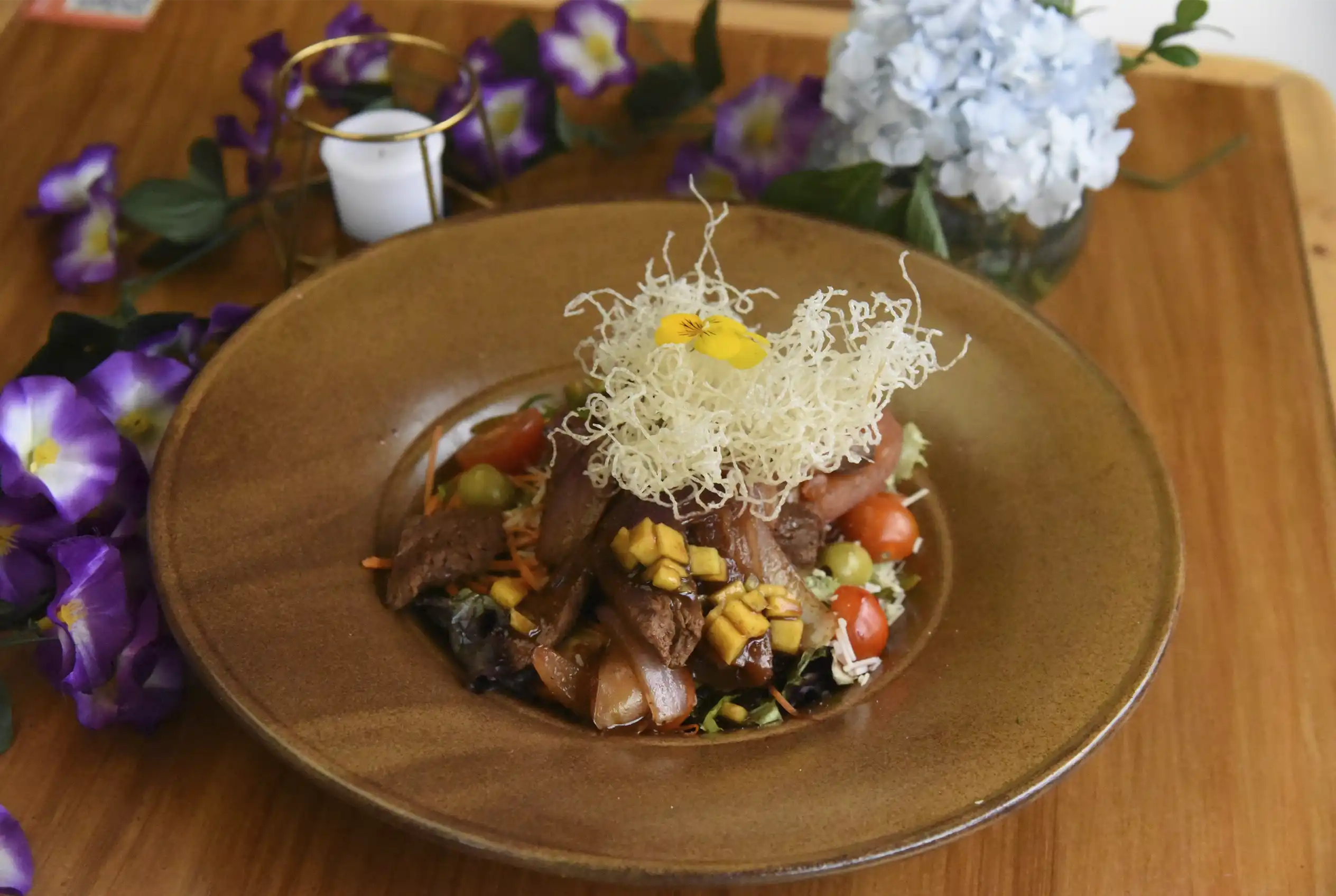
At 3 Soles it sits on the menu next to Colombian and Mexican cooking: ceviches, lomo saltado, arroz chaufa, causa limeña, tataki in camu camu ponzu, and cocktails like the pisco sour and chilcano. For one of its signature dishes, read about arroz chaufa in Chía.
Why it keeps growing
Peruvian cooking has historical depth, a huge range of ingredients and a knack for fusion that hasn’t cost it its identity. Every dish says something about where it came from. That builds an interest that outlasts trends: people come back to ceviche and lomo saltado because the flavor gives them something they haven’t found elsewhere.
Short on time? Order this
Shrimp ceviche or the Causa 3 Soles to start, lomo saltado or arroz chaufa as a main, and a classic pisco sour or chilcano to drink. Chicha morada if you’d rather skip the alcohol.
Frequently asked questions
Where does Peruvian cooking get its variety?
From Peru’s coast, highlands and jungle, plus Indigenous, Spanish, African, Chinese and Japanese influences.
What is chifa?
Chinese-Peruvian cooking. Lomo saltado and arroz chaufa are its best-known dishes.
Which Peruvian dishes does 3 Soles serve?
Ceviches, lomo saltado, arroz chaufa, causa limeña and tataki in camu camu ponzu, plus pisco sour, chilcano and chicha morada.
Taste Peru in Chía. Book your table.
Book your table at 3 Soles
Private kiosks in the countryside, Colombian, Mexican and Peruvian food, and your pet is welcome. Book online from the next day; to come today, message us on WhatsApp.
Vía Cerca de Piedra, Chía–Cota road · Thursday to Sunday and holidays