Colombian and Peruvian ceviche are different dishes. Where to eat a real Peruvian ceviche near Bogotá, at 3 Soles in Chía.
Colombia has its own ceviche, and so does Peru. They share a name, seafood and lime, but they are different dishes built on different ideas. Knowing the difference explains why they taste so unlike each other even when the ingredients look similar.
Colombian ceviche: fresh, sweet and creamy
Colombian ceviche, especially on the Caribbean coast, is made with cooked seafood marinated in lime, often with ketchup, mayonnaise, onion and chile. It is fresh, a little sweet and creamy, served cold in a glass or cup as a starter or snack.
It is a popular dish with its own identity. It just works differently from the Peruvian version, in technique, flavor and purpose.
Peruvian ceviche: sharp, spicy and served with leche de tigre
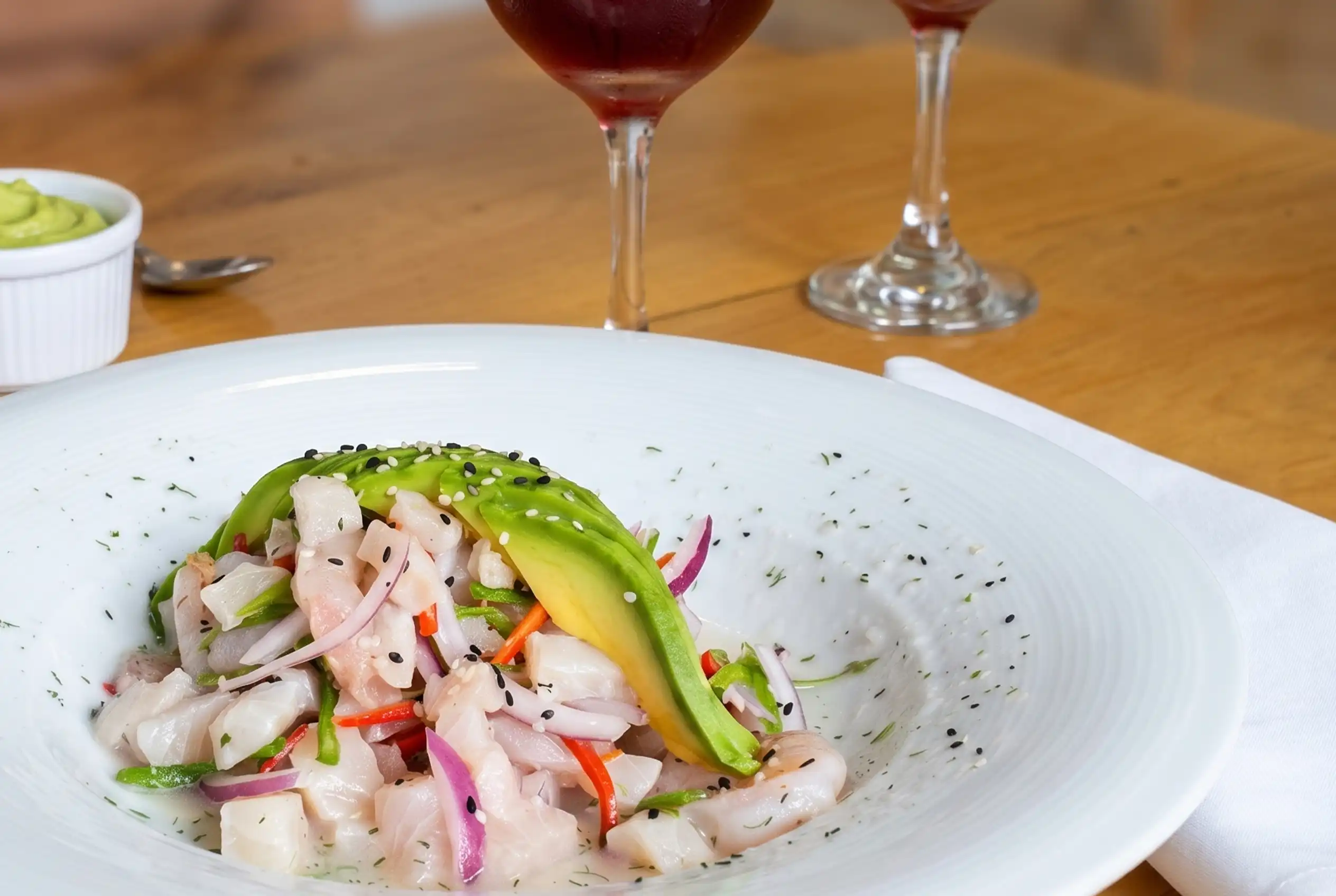
Peruvian ceviche starts from raw fish or seafood marinated in sharp lime juice, which “cooks” the protein without heat. Ají amarillo or ají limo, thinly sliced red onion, cilantro and salt go in next. The result is acidic, spicy and very fresh.
Leche de tigre, the liquid left from the marinade, is part of the dish. In Peru people drink it on its own as a pick-me-up. In Colombia it is usually what surprises first-timers most.
Peruvian ceviche is eaten as soon as it is made. It is not reheated or kept for later, which is why it depends on good ingredients and preparation to order.
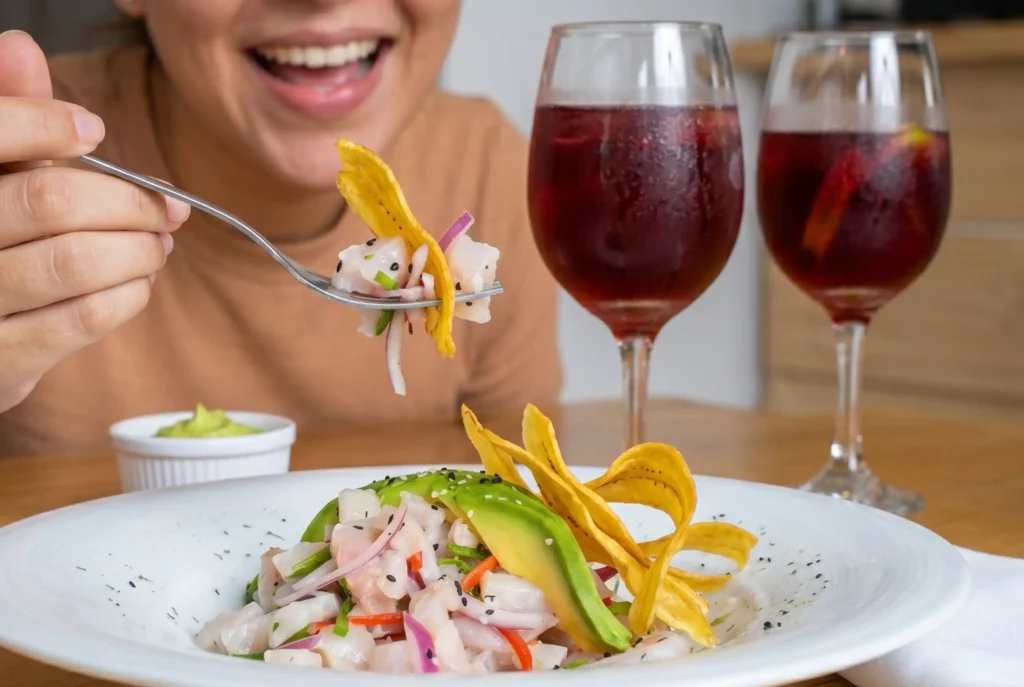
How 3 Soles makes its ceviche
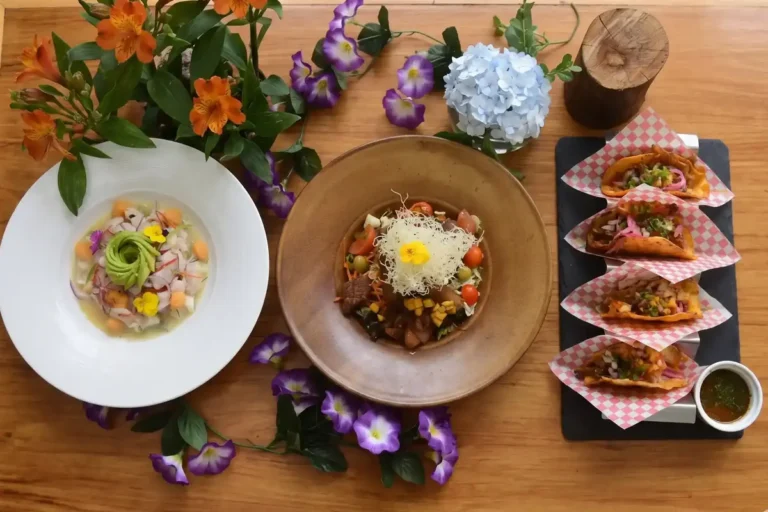
The menu at 3 Soles has three ceviches: tilapia, shrimp and mixed. All three follow the Peruvian method, balancing acidity, heat and freshness.
Tilapia is a freshwater fish with firm, mild flesh that takes the marinade well without losing texture. Shrimp gives more body and a stronger flavor. The mixed ceviche has both.
The restaurant is in Chía, on the Chía-Cota road. If you live in Bogotá, it is a way to try Peruvian cooking without traveling far. For more on the Peruvian side of the menu, read our post on causa, ceviche and other dishes not to miss.
Why try Peruvian ceviche if you only know the Colombian one
It is not about which is better. They are different dishes for different moments. But if you only know the Colombian version, the Peruvian one may surprise you with:
- A sharper lime flavor, with nothing sweet to soften it.
- The heat of ají amarillo, which is fruitier than most chiles.
- The texture of fish marinated raw, firmer than cooked seafood.
- Leche de tigre, which is part of the dish rather than leftover juice.
Short on time? Order this
- Starter: shrimp or mixed ceviche
- Main: lomo saltado or chaufa rice
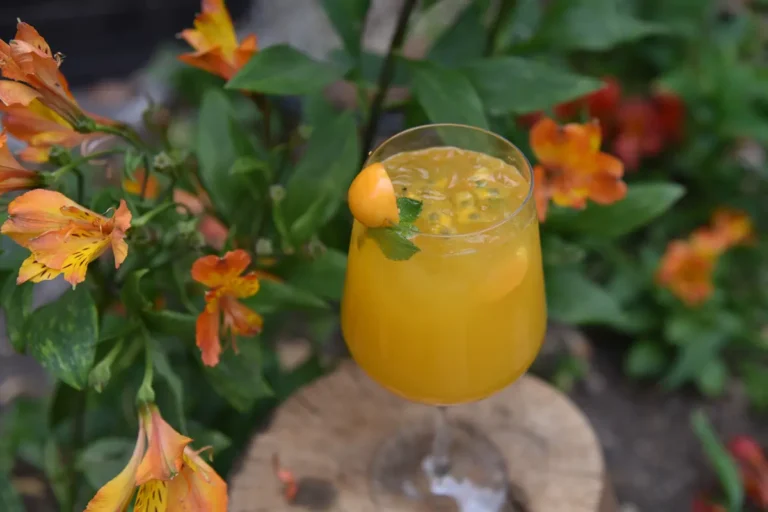
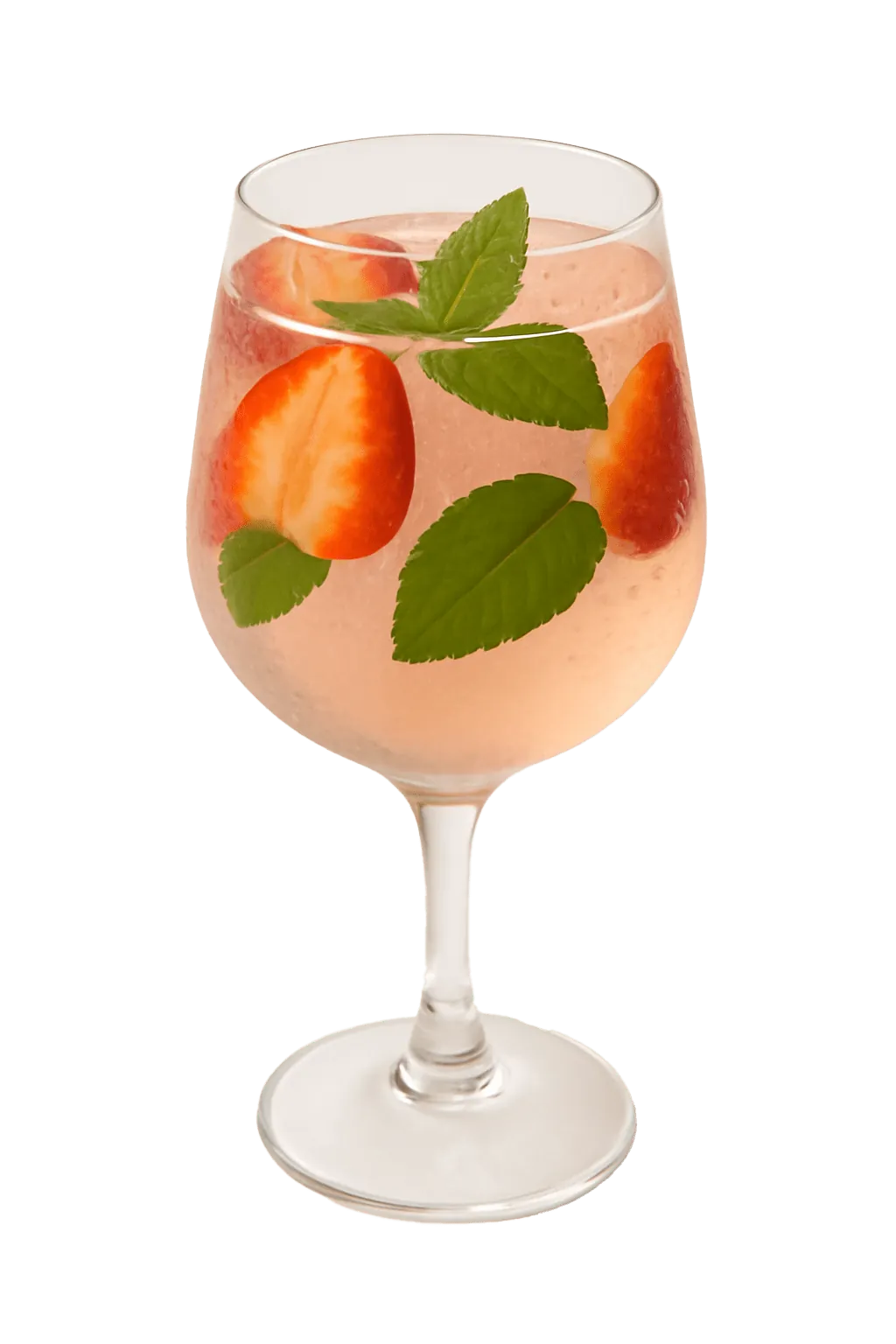
- Drink: red berry pisco sour or a chilcano
- Without alcohol: chicha morada
Frequently asked questions
What is the difference between Peruvian and Colombian ceviche?
Colombian ceviche uses cooked seafood with ketchup and mayonnaise, so it is sweeter and creamier. Peruvian ceviche uses raw fish marinated in lime with ají amarillo and red onion, so it is sharper and spicier.
What is leche de tigre?
The liquid left from the ceviche marinade: lime, chile, onion and the juices of the fish. In Peru people drink it on its own.
Is Peruvian ceviche made with raw fish?
Yes. The acid in the lime firms the fish without heat, giving it a texture different from cooked fish.
Where can I try Peruvian ceviche in Chía?
At 3 Soles, which serves tilapia, shrimp and mixed ceviche. It is on the Chía-Cota road, 25 to 40 minutes from north Bogotá.
Is Peruvian ceviche very spicy?
It has a moderate, fruity heat from ají amarillo. It has more kick than Colombian ceviche but is not overwhelming.
Ceviche is one of those dishes you understand better by eating it than by reading about it. If you have questions before your visit, get in touch here.
Book your table at 3 Soles
Private kiosks in the countryside, Colombian, Mexican and Peruvian food, and your pet is welcome. Book online from the next day; to come today, message us on WhatsApp.
Vía Cerca de Piedra, Chía–Cota road · Thursday to Sunday and holidays