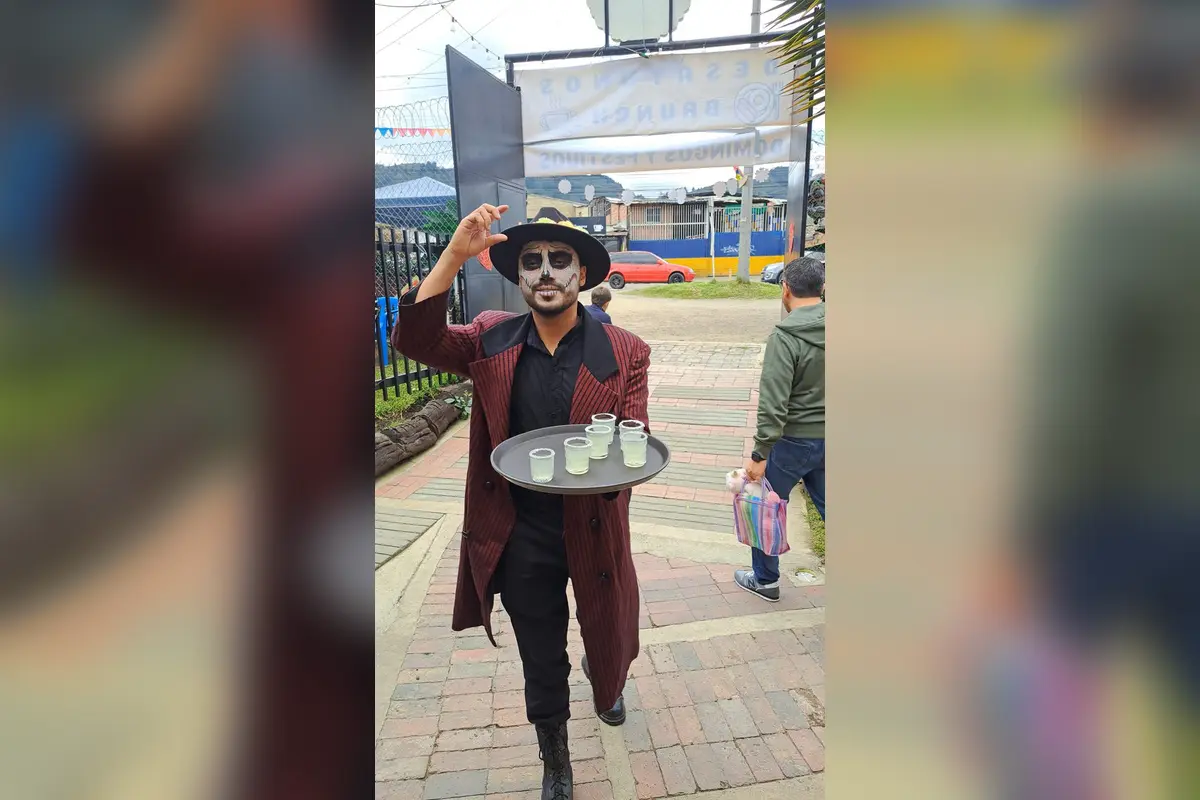
Quick summary: On November 1 and 2, Mexico welcomes its dead with flowers, candles and their favorite foods. At Restaurante Fusión Los 3 Soles, where one of our three kitchens is Mexican, we honor the tradition with birria, tortilla soup, corn tortillas and tequila cocktails, a short drive from Bogotá.
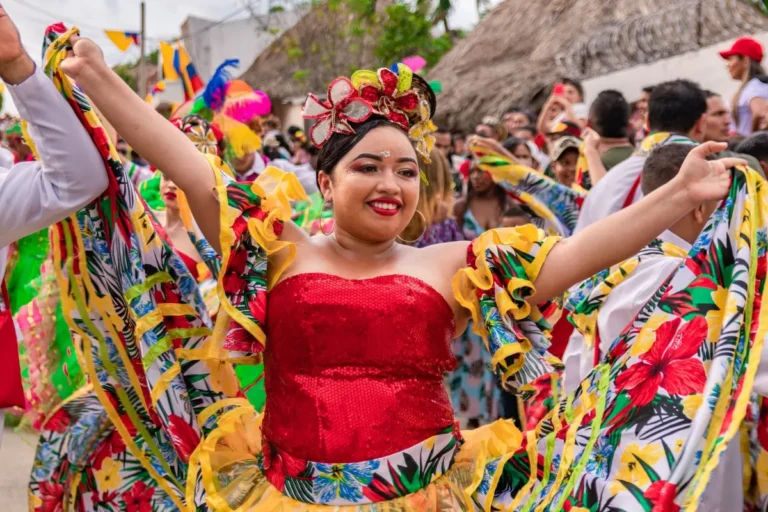
In Mexico there’s an idea that takes outsiders a minute to wrap their heads around: death can be greeted with a party. A set table, music and the favorite dishes of the person who’s gone, instead of the hush of a funeral. For a few days every year, families believe their loved ones come back to visit, and when someone visits, the least you can do is feed them.
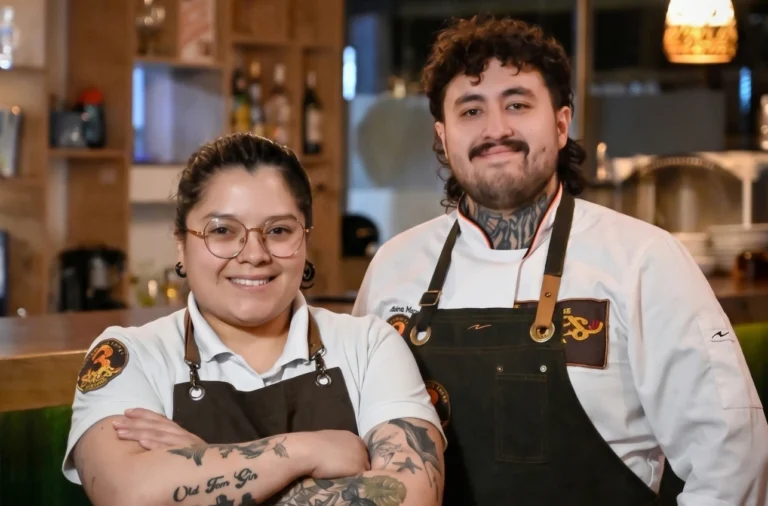
At Restaurante Fusión Los 3 Soles we cook three traditions at once, and Mexican is one of them. That’s why Day of the Dead, or Día de los Muertos, hits close to home for us. Here’s where the holiday comes from, what goes on an altar, what people eat, and how you can spend these days with a taste of Mexico right here in Chía, just north of Bogotá.
What Day of the Dead is and why it falls on November 1 and 2
The celebration predates the Spanish conquest. Mexico’s Indigenous peoples were already honoring their dead at the end of the corn harvest, which lines up with late October and early November. Under colonial rule, those rituals blended with two Catholic dates: All Saints’ Day on November 1 and All Souls’ Day on November 2.
That blend gave us the tradition we know today. In many regions, November 1 is dedicated to children who have passed, lovingly called “muertos chiquitos,” or little dead ones, and November 2 to adults.
UNESCO proclaimed the festivity a masterpiece of oral and intangible heritage in 2003 and added it to its Representative List of the Intangible Cultural Heritage of Humanity in 2008. Beyond the decorations, as gorgeous as they are, the recognition honors what the holiday means: a way of remembering where memory wins and forgetting loses.
Day of the Dead is not Mexican Halloween
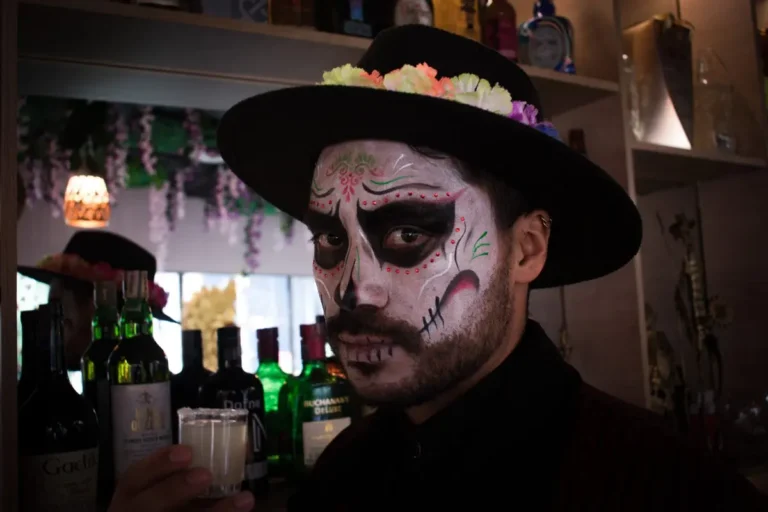
They land almost back to back, so people mix them up all the time. Halloween, on October 31, comes from Celtic and Anglo-Saxon traditions, and these days it’s mostly about costumes and candy. Day of the Dead is something else entirely: a family gathering to remember specific people, with names and photos. Nobody is trying to scare anyone. The point is to remember someone.
What goes on an ofrenda, and what each piece means
At the heart of the celebration is the ofrenda, an altar families build at home or beside a grave. There’s no single way to make one, but most share a few elements:
- Cempasúchil, or Mexican marigolds, in a deep orange. Tradition says their color and scent guide souls on the way back home.
- Candles and votives, to light that path.
- Papel picado, the cut paper banners in bright colors that hang above the altar.
- Photos of the departed, because every ofrenda is for someone in particular.
- Water and salt: water to quench their thirst after the long journey, salt to purify.
- Sugar skulls, or calaveritas de azúcar, often with the person’s name written across the forehead.
- The food and drink the person loved most.
That last one is our favorite. An ofrenda doesn’t hold just any dish; it holds the one that person loved. If Grandpa was crazy about tacos, there are tacos. If your aunt never said no to a tequila, there’s tequila. Cooking becomes a form of memory.
What people eat for Day of the Dead in Mexico
Some foods show up on almost every altar and table during these days. The most famous is pan de muerto, a round, sweet bread scented with orange blossom and decorated with strips of dough shaped like bones. Tamales, mole, atole (a warm, thick corn drink) and seasonal fruit like tangerines and guavas are common too.
The menu changes from region to region, and that’s the beauty of it. In Oaxaca, for example, black mole holds a special place. What doesn’t change is the idea: cook slowly and carefully, because the food is for someone who matters.
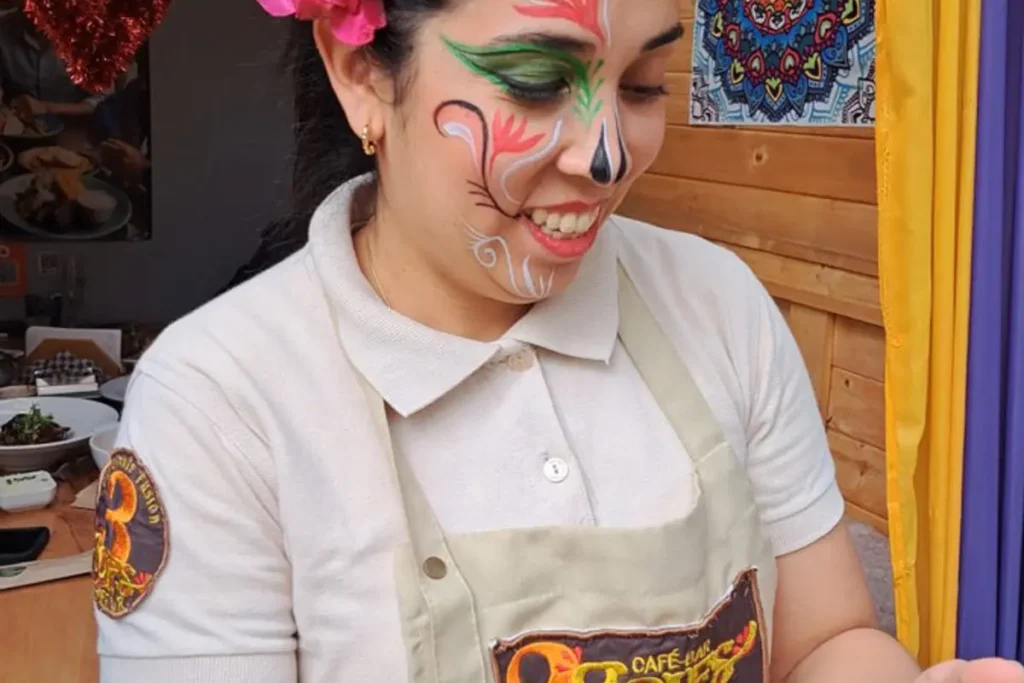
How to experience Day of the Dead at Los 3 Soles
At Los 3 Soles, Mexican food isn’t a seasonal special. It’s on the menu year-round, made with real technique and no shortcuts. For these days, we suggest building your own table of remembrance from what we already serve.
Mexican dishes from our menu for that table
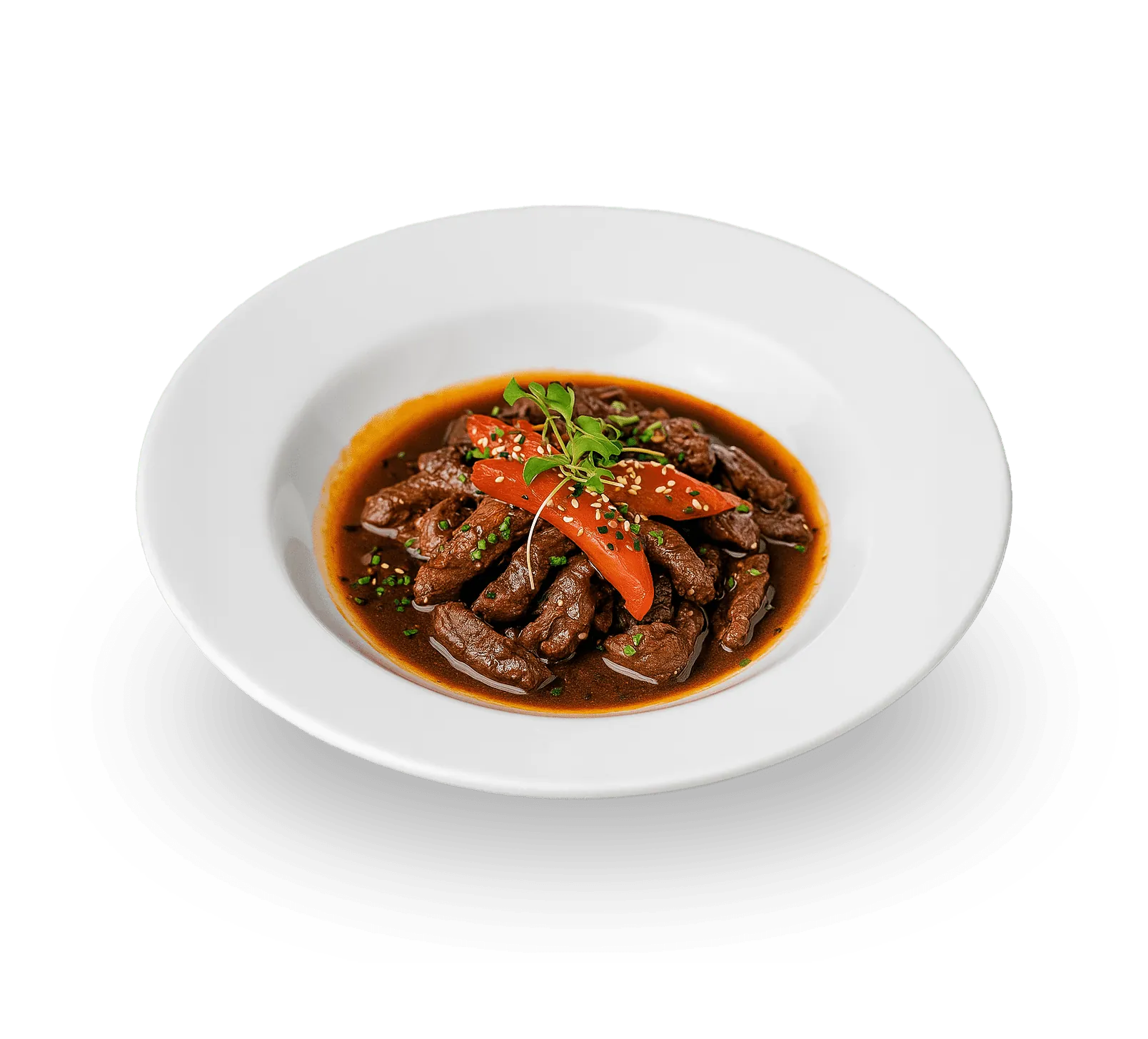
- Birria tacos: four corn tortillas filled with 120 grams (about 4 ounces) of beef marinated in a spiced chile sauce and slow-cooked, served with their consommé for dipping, plus onion and cilantro. Birria comes from the state of Jalisco and is the kind of dish that takes patience.
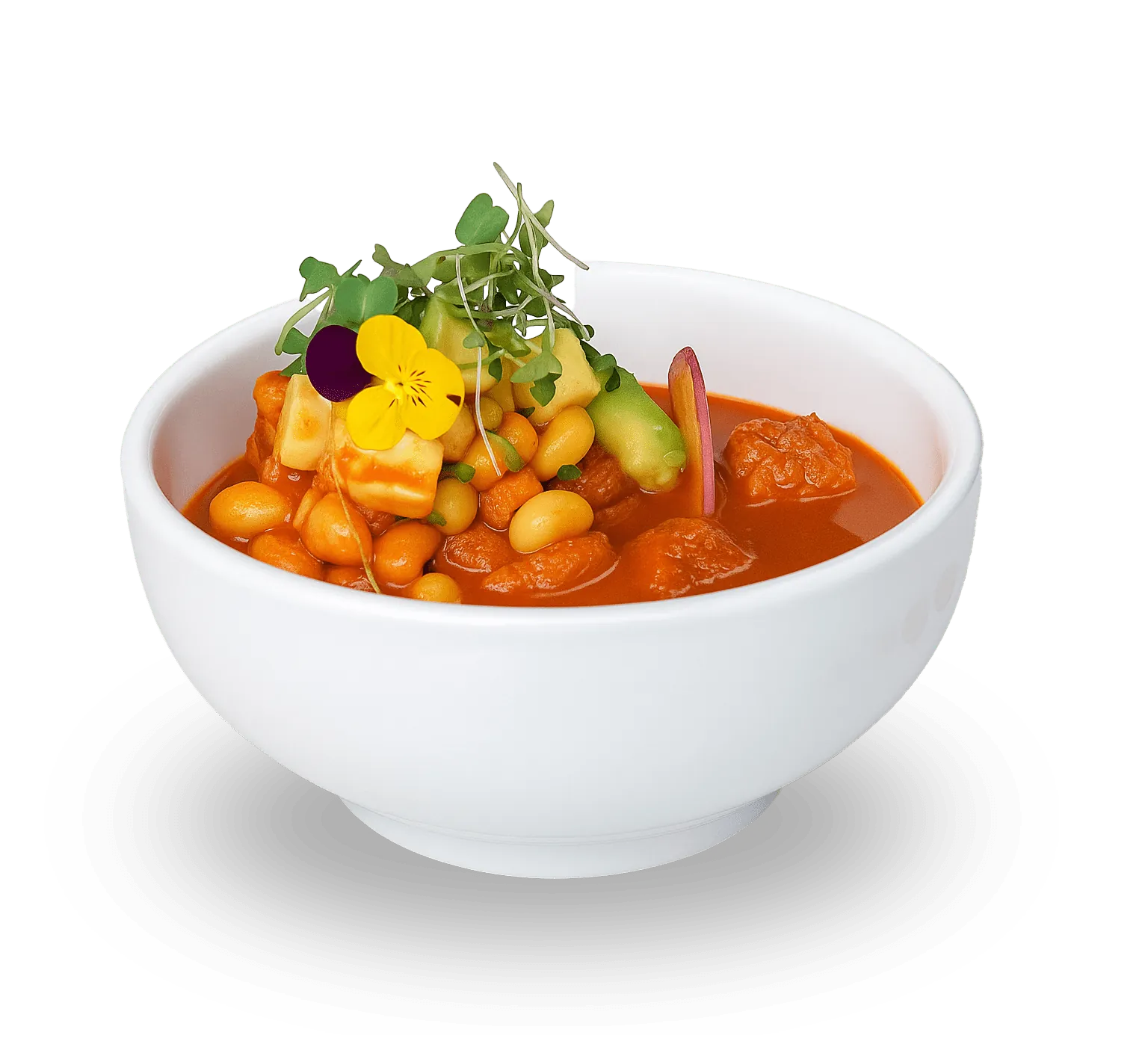
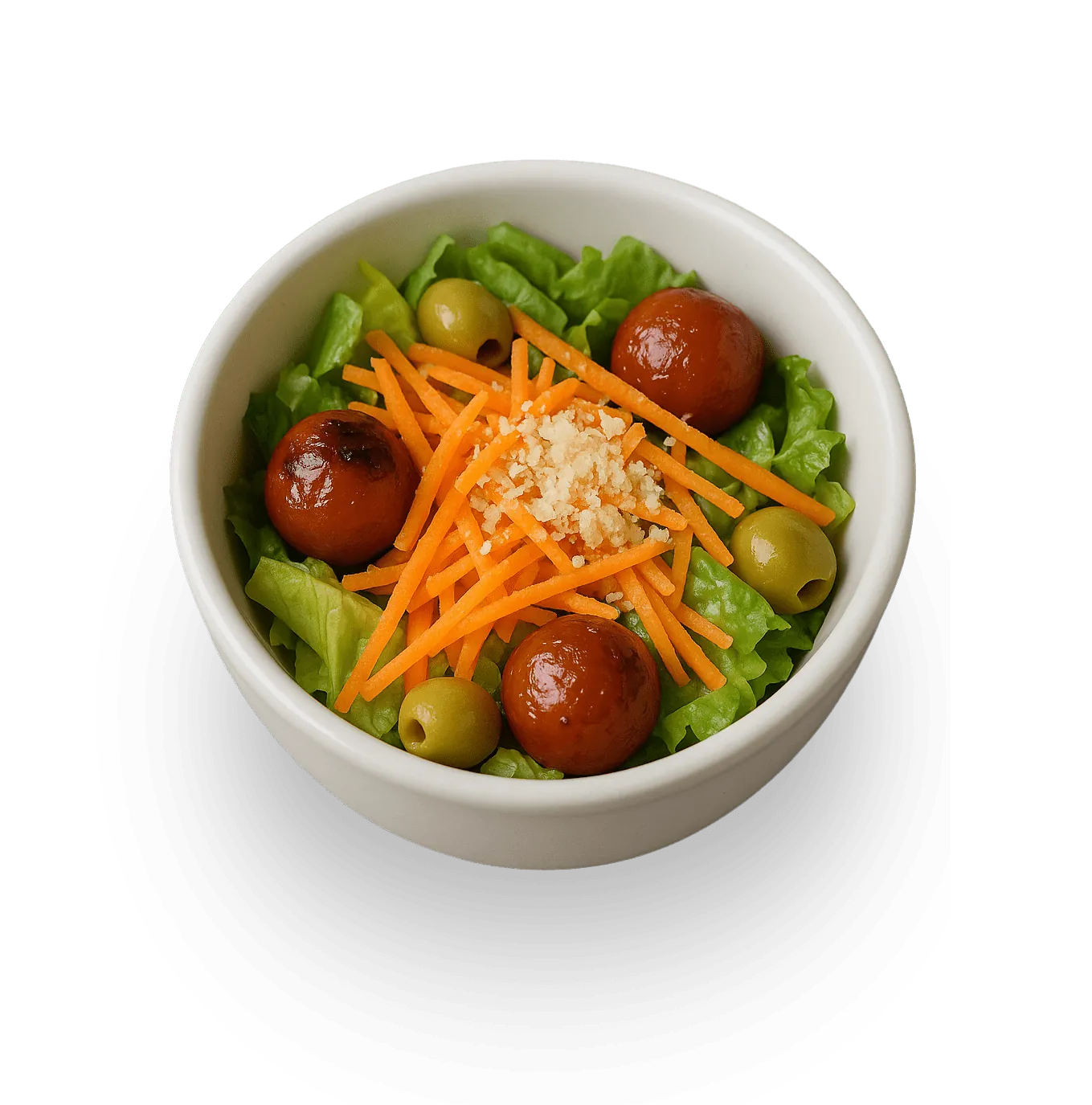
- Sopa de totopos, a Mexican-style tortilla soup: a tomato broth with guajillo chiles, chicken, avocado and crispy corn tortilla strips. It’s comforting the way only a home-style soup can be.
- Pork belly tacos: 150 grams (about 5 ounces) of crispy chicharrón in a tomatillo salsa verde with guacamole.
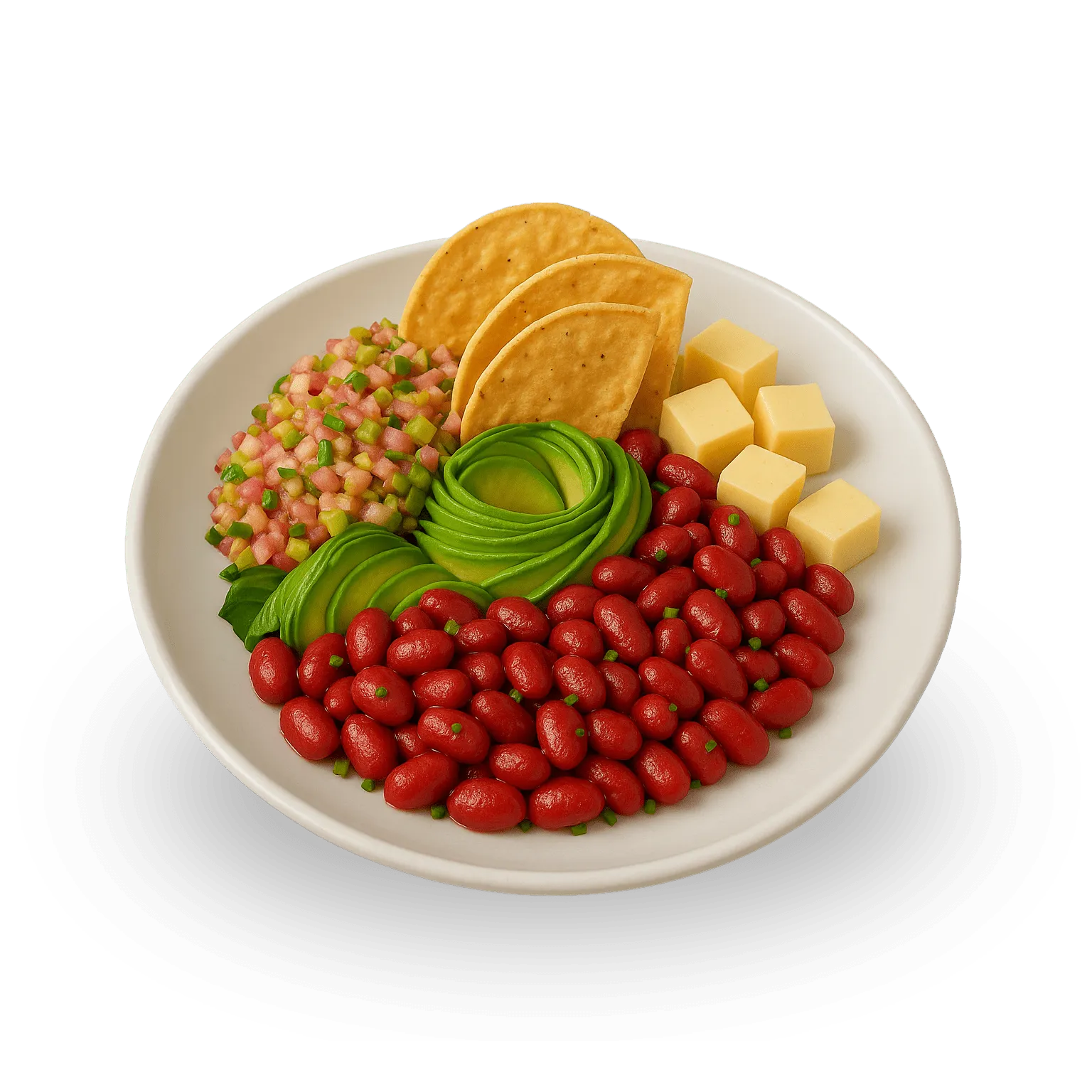
- Nachos in red and green salsa, with spiced ground beef, refried beans, guacamole and cheese, made for the center of the table.
Tequila cocktails to toast those who aren’t here
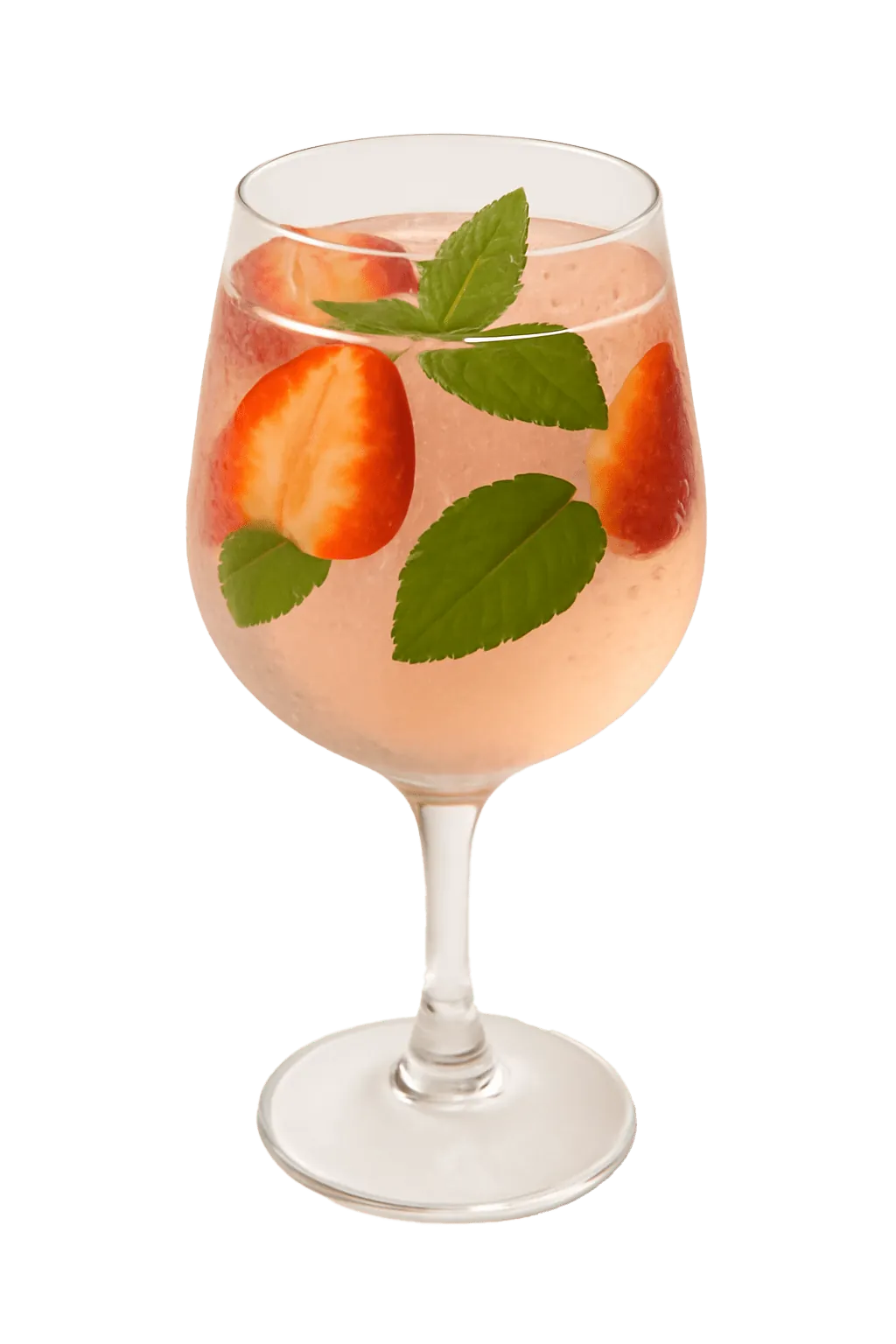
Many ofrendas include a glass of tequila or mezcal for the departed, and the living raise a glass too. At our bar you can order a classic margarita with tequila, triple sec and lime, or a cantarito, a Jalisco favorite that mixes tequila with orange and grapefruit juice. If you want something lighter, the Silver Sun Mule brings tequila, agave syrup and a tropical twist, served with a mini Corona and Tajín.
An idea for your table: someone’s favorite dish
Here’s a simple ritual, no altar or decorations required. Come with your family and, together, order the dish someone you’ve lost loved most. Then share a story about that person while you eat. It’s the most authentic part of Day of the Dead, and all it takes is a table and the will to remember.
When to visit: hours for November 1 and 2
In 2026, November 1 falls on a Sunday, and Monday, November 2, is a public holiday in Colombia, since All Saints’ Day gets moved to the following Monday. Here are our hours:
- Sunday, November 1: 9 a.m. to 9 p.m., with brunch in the morning.
- Monday, November 2 (holiday): noon to 7 p.m.
If you’d rather come earlier, we’re open Friday, October 30, and Saturday, October 31, from noon to 11 p.m. For the rest of the month, take a look at our October plans in Chía.
Short on time? Order this at Los 3 Soles
If you only have one visit to experience Day of the Dead with Mexican flavor, here’s the lineup:
- Birria tacos: four corn tortilla tacos with slow-cooked beef and birria consommé for dipping.
- Sopa de totopos: tomato soup with guajillo chile, chicken, avocado and crispy corn tortilla strips.
- Shrimp tacos (gobernador): 150 grams of shrimp with guajillo, chipotle and jalapeño, melted mozzarella and queso Sopó, a cheese from the dairy town of Sopó near Bogotá.
- Cantarito: tequila, orange juice, grapefruit juice and fresh lime.
Day of the Dead in Chía: frequently asked questions
When is Day of the Dead 2026?
The main celebration is Sunday, November 1, and Monday, November 2, 2026. In Mexico, many families start setting up their ofrendas in late October.
Is November 2 a holiday in Colombia?
Yes. In 2026, All Saints’ Day is moved to Monday, November 2, so that day is a public holiday. Los 3 Soles is open from noon to 7 p.m.
What’s the difference between Day of the Dead and Halloween?
Halloween, on October 31, has Celtic roots and is mostly about costumes and candy today. Day of the Dead is a Mexican tradition with Indigenous origins for remembering loved ones who have died, with ofrendas, flowers and their favorite food.
Which Mexican dishes are on the Los 3 Soles menu?
Among others: birria tacos, pork belly tacos, shrimp tacos, tortilla soup, nachos in red and green salsa, arepitas de birria (little cheese-stuffed corn cakes fried in birria fat) and quesadillas. At the bar, there’s the margarita, the cantarito and the Silver Sun Mule.
Where is Los 3 Soles?
On the Vía Cerca de Piedra, off the Chía-Cota road in Chía, Cundinamarca, a short drive north of Bogotá. There’s 24/7 monitored parking, and pets are welcome in our outdoor areas.
A table to remember the ones who stay with us
Day of the Dead teaches something that works in any country: remembering can be joyful. You can say the name of someone who’s gone and smile while eating what they loved. If you’d like to do that this year with Mexican flavor, the table is ready at Restaurante Fusión Los 3 Soles. And if you’re visiting Bogotá in early November, add this to your itinerary.