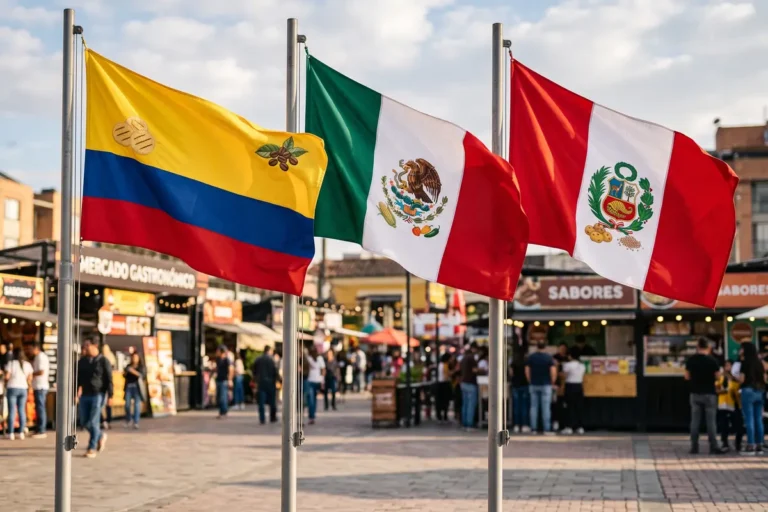
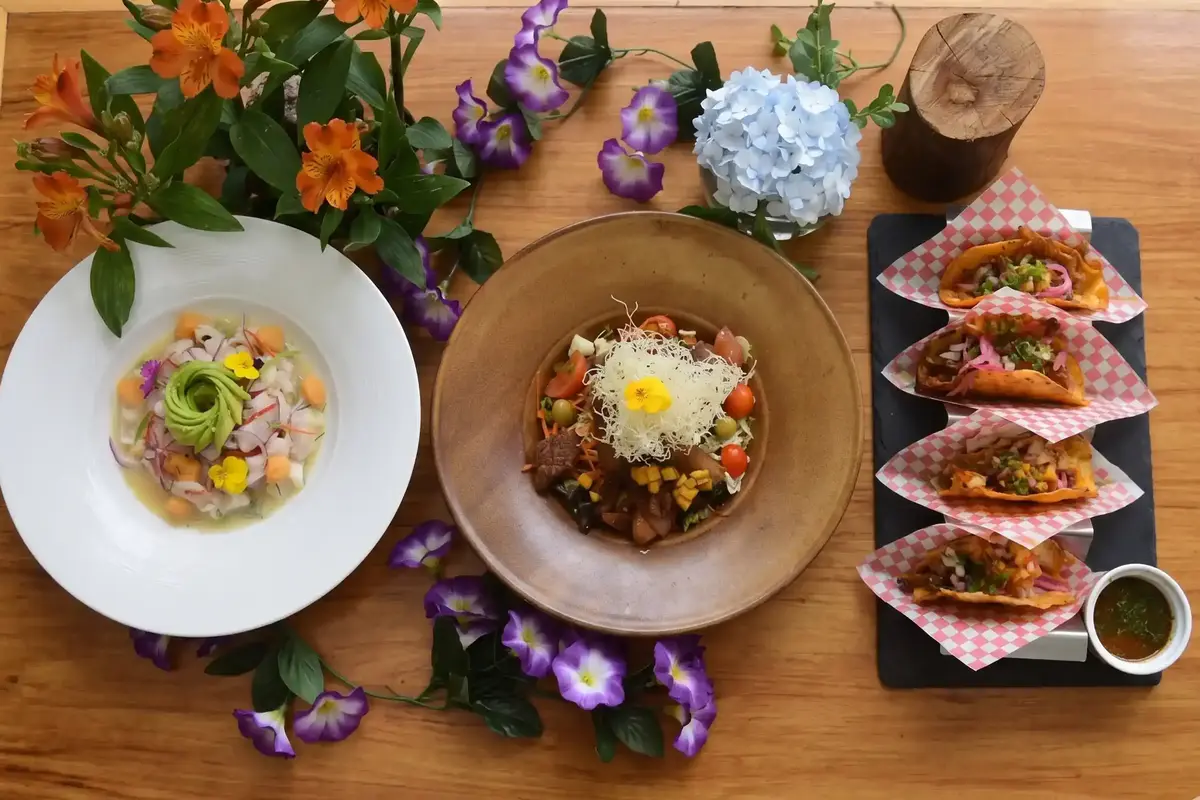
Quick summary: World Food Day is Friday, October 16, and the FAO’s 2026 theme is “Innovate today. Nourish tomorrow.” At Restaurante Fusión Los 3 Soles, near Bogotá, we celebrate it the way we know best: corn, papa criolla, ají amarillo and native fruits on one table, cooked with respect for where they come from.
Picture a Friday afternoon on the Bogotá savanna. The air is cool and green, there’s a pot of chicken and potato soup on the table, and the person next to you is squeezing lime over a ceviche marinated in a fruit you’ve never heard of. Nobody at the table is thinking about food policy. But on October 16, maybe we should, at least for a minute.
World Food Day asks a simple question with a complicated answer: where does our food come from, who grows it, and how much of it actually reaches everyone’s plate? At 3 Soles, a countryside restaurant on the Vía Cerca de Piedra, right off the road that links the towns of Chía and Cota, we answer it the best way we know how. We cook three culinary traditions at once, Colombian, Mexican and Peruvian, and we build them on the ingredients this part of the world has been growing for centuries.
The short version of why we do it? We love to eat well. The long version is a love story about ingredients, and that’s what this piece is about.
What World Food Day is, and the FAO’s 2026 theme
World Food Day marks the founding of the Food and Agriculture Organization of the United Nations (FAO) on October 16, 1945. Every year the FAO picks a theme, and for 2026 it’s “Innovate today. Nourish tomorrow.”
The idea is easy to say and hard to pull off: use science, technology and traditional knowledge together to grow food more efficiently, waste less of it and protect the land that produces it. On top of that, the UN has named 2026 the International Year of the Woman Farmer, a nod to the women who grow a huge share of the world’s food.
We like that this year’s theme talks about innovation without throwing tradition under the bus. That’s exactly where a fusion kitchen lives.
Three cuisines, one pantry
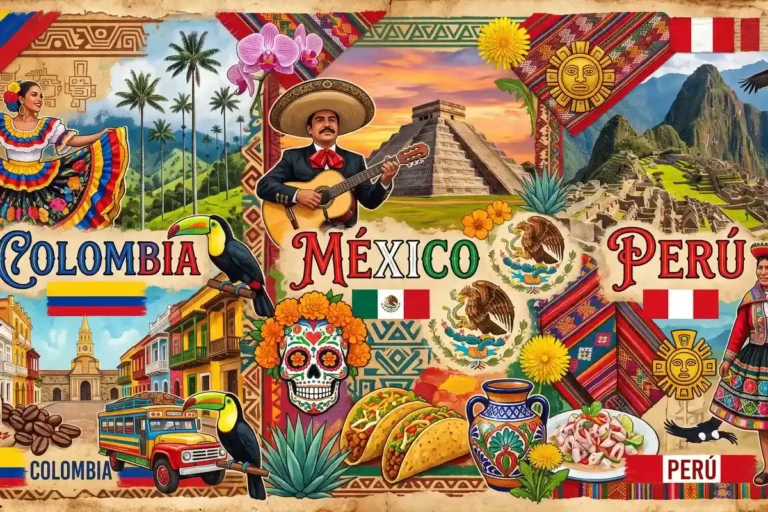
Colombia, Mexico and Peru have very different histories, but they share a pantry. Corn, potatoes, chili peppers and a whole orchard of fruits the rest of the world is only starting to discover. That shared foundation is what lets us mix the three without any of them losing its voice.
Colombia: corn, papa criolla and savanna fruits
If Colombia has a comfort food hall of fame, papa criolla is in it. This small, golden Andean potato has a creamy, almost buttery texture, and in ajiaco, Bogotá’s signature soup, it melts down to thicken a broth of chicken, corn on the cob and guascas, an earthy Andean herb. Capers go in, and it comes to the table with avocado and white rice, the way it’s served in homes all over the capital.
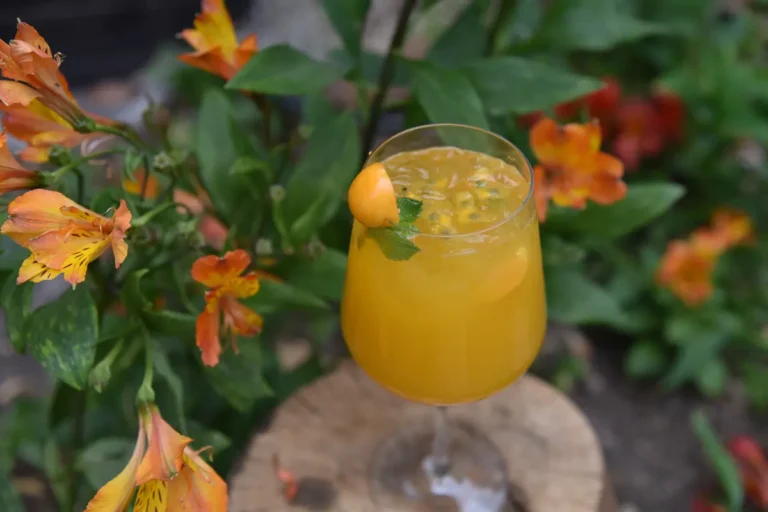
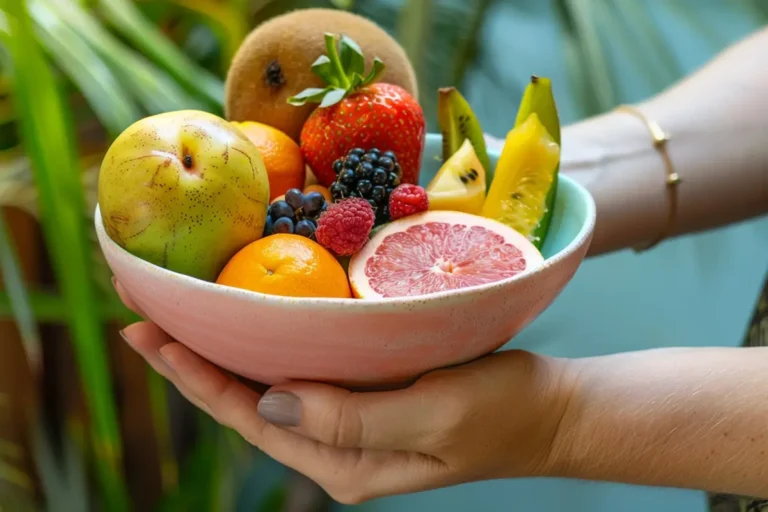
The savanna also gives us two tangy fruits we use in sauces. Uchuva, known in the US as goldenberry or cape gooseberry, glazes our grilled chicken. Curuba, sometimes called banana passionfruit, goes into the sauce for our slow-marinated pork shoulder.
Mexico: chiles, tomatillos and tortillas
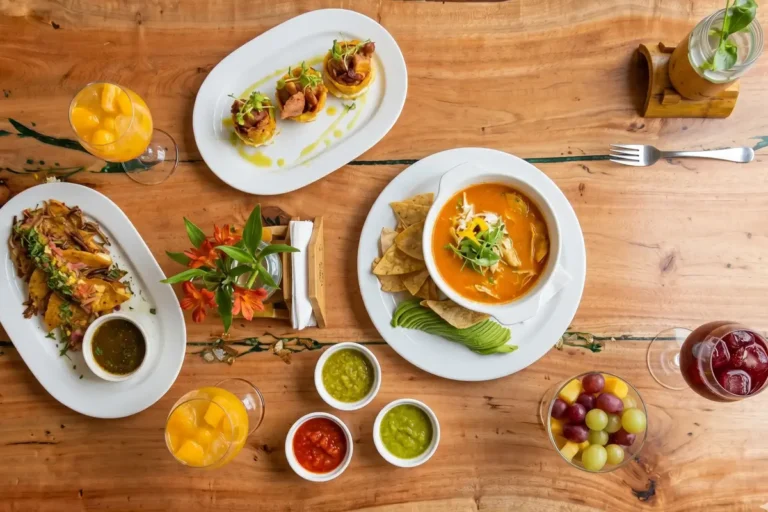
Mexican cooking taught us to respect the chile. In our sopa de totopos, a Mexican-style tortilla soup, guajillo chiles give a tomato broth its depth, and crunchy corn tortilla chips do the rest. In our pork belly tacos, a bright tomatillo salsa verde cuts right through the richness. These are dishes that have been on Mexican tables for generations, and we make them without shortcuts.
Peru: ají amarillo, tiger’s milk and potatoes galore
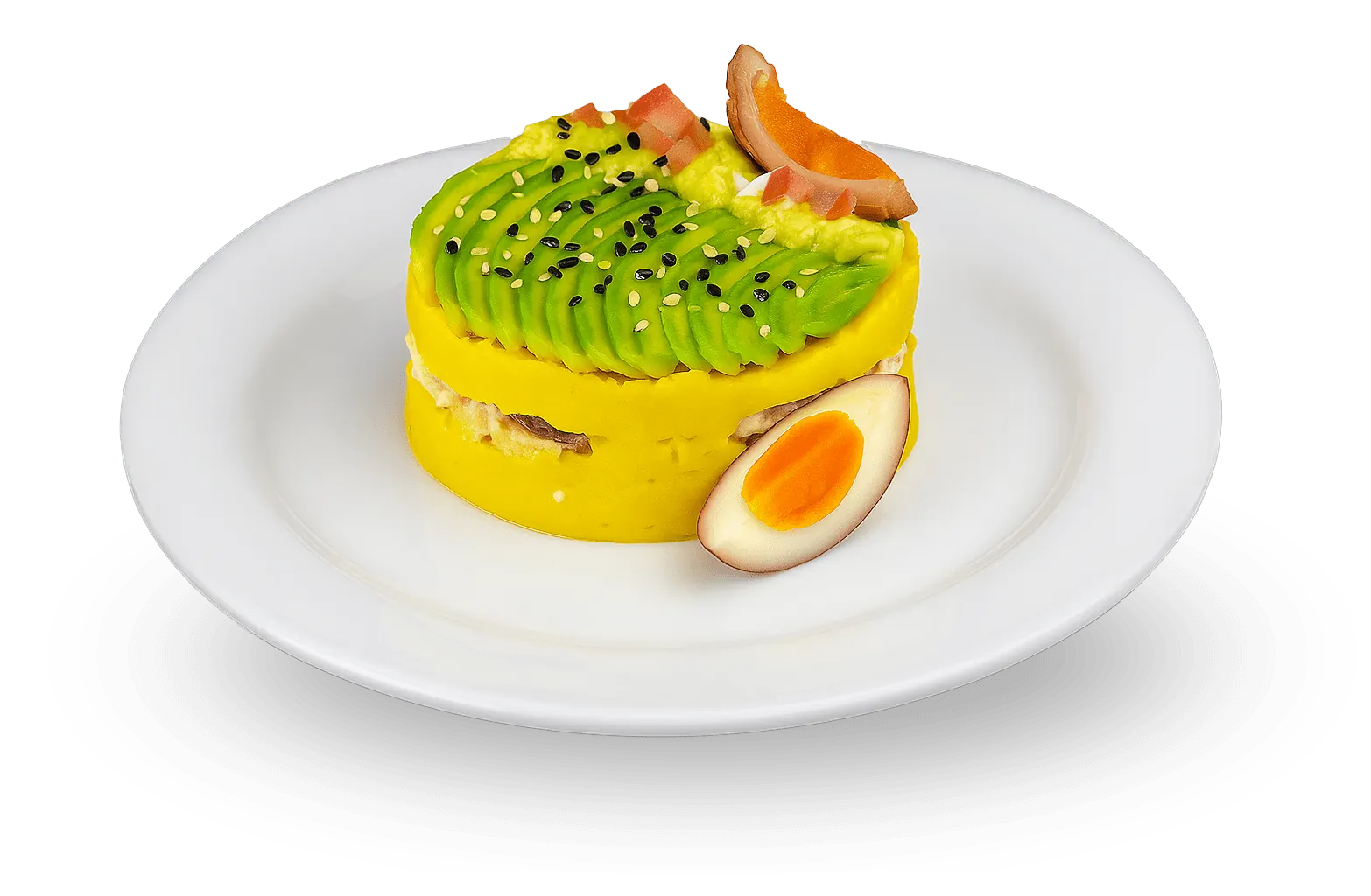
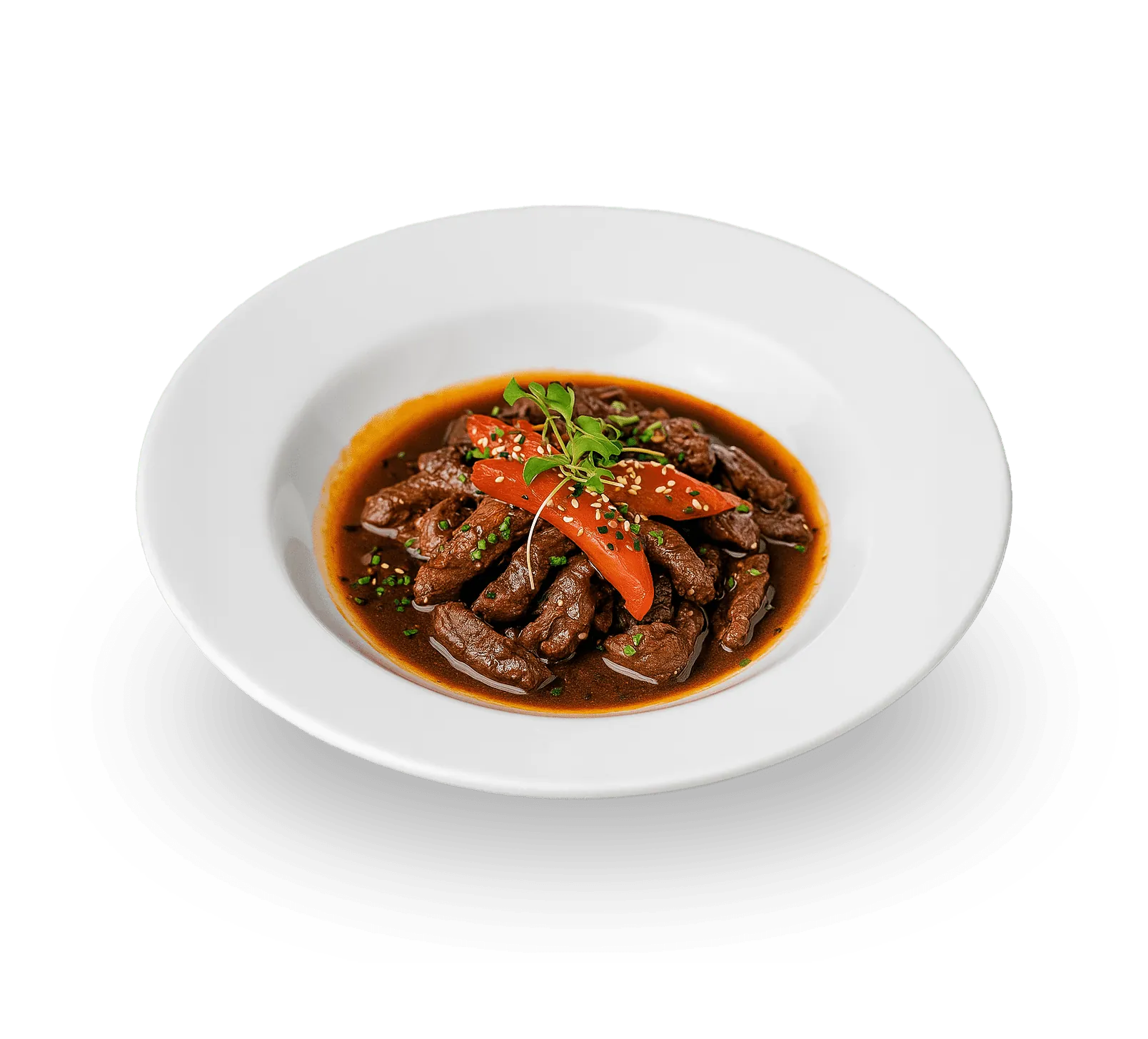
Peru grows more than 3,000 varieties of potato, and you can taste that obsession in its cooking. Our Causa 3 Soles layers papa criolla with ají amarillo, Peru’s sunny yellow chili paste, and tops it with crispy pork belly and a spiced sour cream. Our lomo saltado borrows the wok technique Chinese immigrants brought to Peru, stir-frying beef with onion and tomato, and we add a twist of green mango. To drink, there’s pits, a deep purple drink made from purple corn and fruit.
Innovate without forgetting: our take on this year’s theme
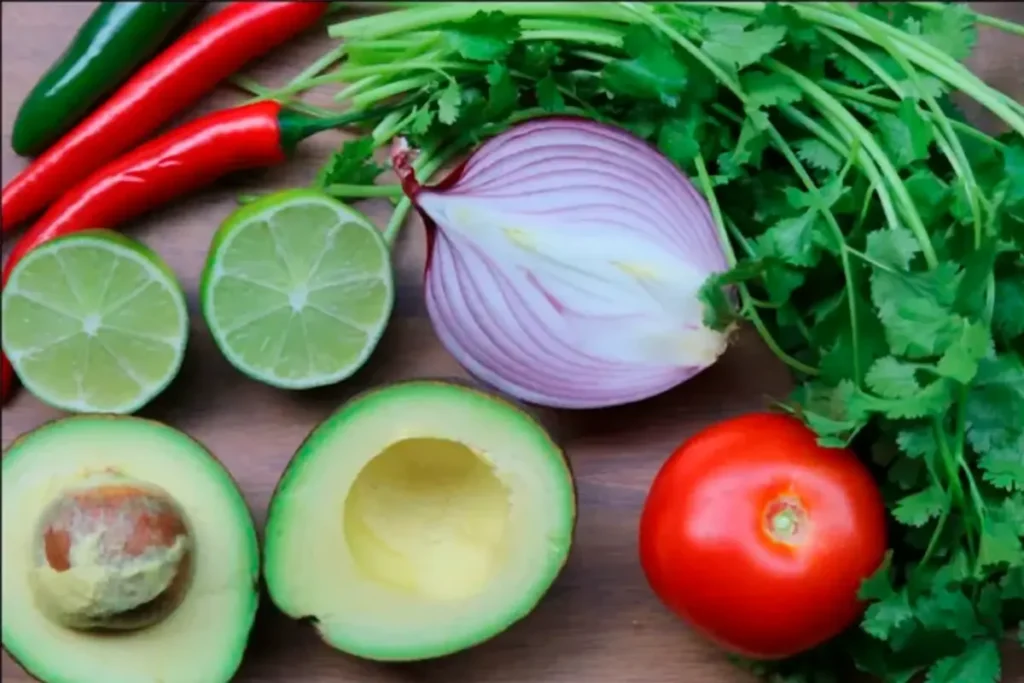
The FAO talks about innovating to nourish. Our version is more modest, but it’s real: take ingredients we’ve known our whole lives and put them in a new context. A few examples from the current menu:
- The ceviche in lulo tiger’s milk. Leche de tigre, or tiger’s milk, is the zesty citrus marinade at the heart of Peruvian ceviche. We make ours with lulo, a tart, citrusy Colombian fruit that tastes a bit like rhubarb meets lime. It’s brighter and more refreshing than you’d expect.
- Arepitas de birria: little arepas made from white hominy-style corn, stuffed with cheese, fried in birria fat and topped with shredded beef and guacamole. Colombia and Mexico in a single bite.
- Tataki in camu camu ponzu: seared, medium-rare tuna in a ponzu made with camu camu, an Amazonian berry with more vitamin C than almost any citrus fruit.
- White fish with copoazú butter: fish of the season flambéed with tequila, served over papa criolla mash and finished with copoazú, an Amazonian cousin of cacao with a tropical aroma often compared to pineapple and chocolate.
These native Colombian ingredients are the starting point for almost everything we create. They grow close by, and we know exactly how they behave on the stove.
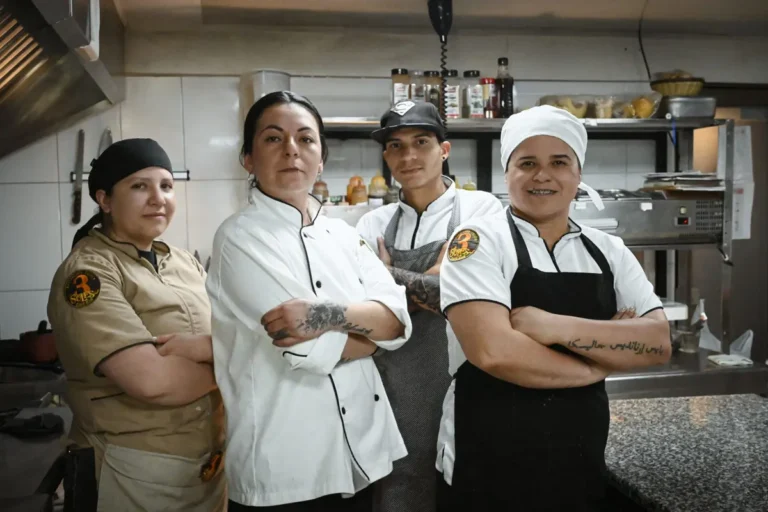
That same mindset took our team to the 2026 Chía Gastronomic Challenge, a local culinary competition. Executive chef Anthony Mora was a finalist in the contemporary cuisine category with Muysquynsuca, a dish built with produce from our own garden and local suppliers. And Karen Cruz, our head bartender, won the mixology category with her Solanum Andino cocktail. Both came from the same habit: start with what you know, then see what else it can do.
Why we call fusion an act of love
It sounds like a big claim, we know. But think about it: to blend two cuisines without ruining either one, you have to know both inside out. You need to understand why Peruvian ceviche is “cooked” by citrus instead of heat, why birria needs hours over a low flame, and why ajiaco won’t work with just any potato. That takes study and a lot of patience.
When fusion goes wrong, it’s usually because someone tried to be clever before being careful. We’d rather err on the side of care. Every dish has to respect where it comes from before it becomes something new.
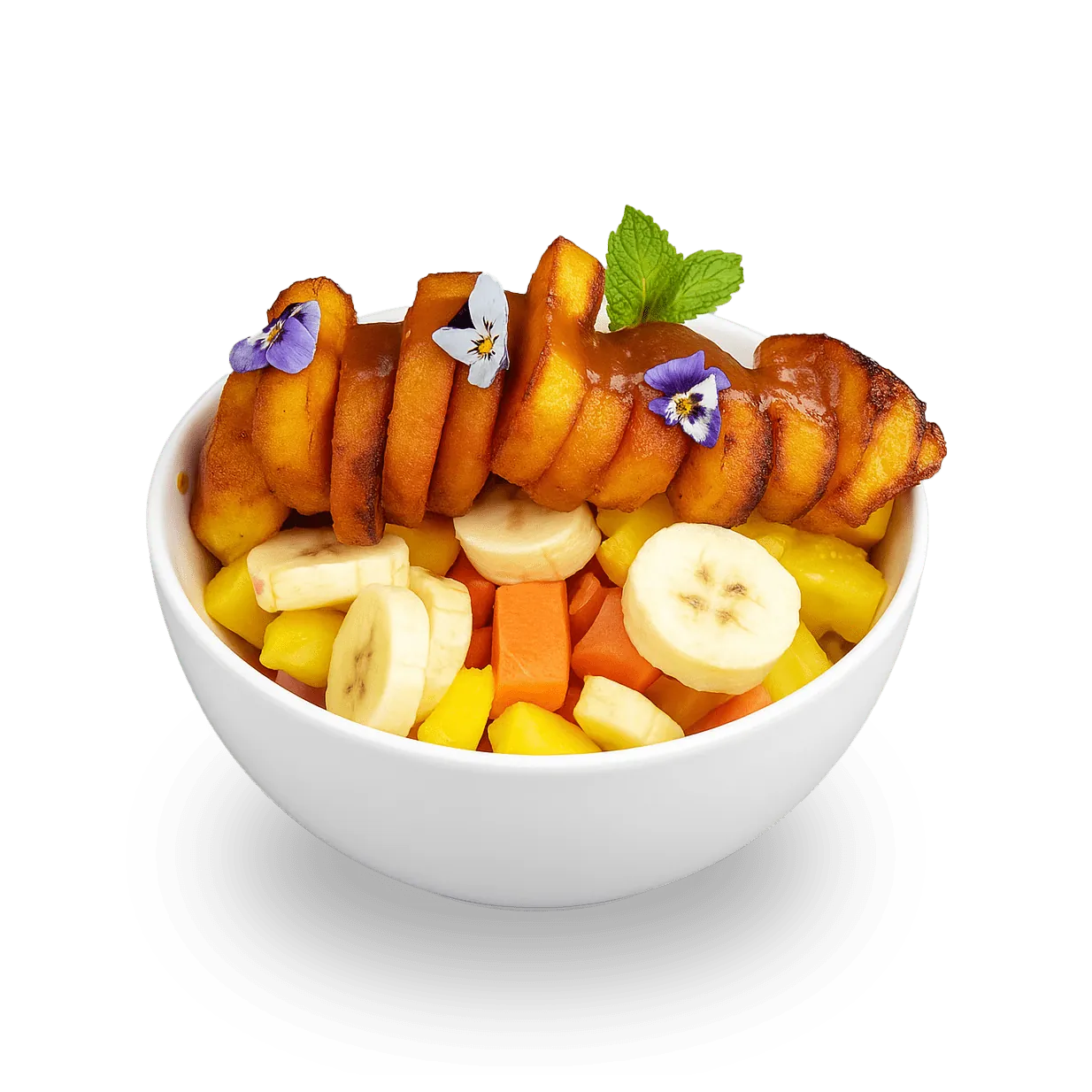
And then there’s the simpler part. Food brings people together. In our open-air kiosks, it’s common to see grandparents, parents and kids sharing a basket of crispy green plantain cups. Nobody asks which country each dish comes from. People eat, talk and order another round. To us, that’s what eating well looks like too.
Three easy ways to celebrate World Food Day at the table
You don’t need a big event to take part in World Food Day. Here are three ideas anyone can try, at 3 Soles or at home:
- Order family-style. Sharing plates cuts down on waste and lets everyone taste more with less food.
- Ask where your food comes from: what copoazú is, where banana passionfruit grows, why the tiger’s milk has lulo in it. Knowing an ingredient changes the way you eat it.
- Clean your plate. If there are leftovers, take them home. It’s the most direct way to respect the people who planted, harvested and cooked your meal.
Short on time? Order this at 3 Soles
If you’re stopping by on October 16 and want a quick tour of all three cuisines, here’s our pick:
- Ajiaco: chicken soup with papa criolla, corn on the cob, guascas and capers, served with avocado and white rice. Colombia in a bowl.
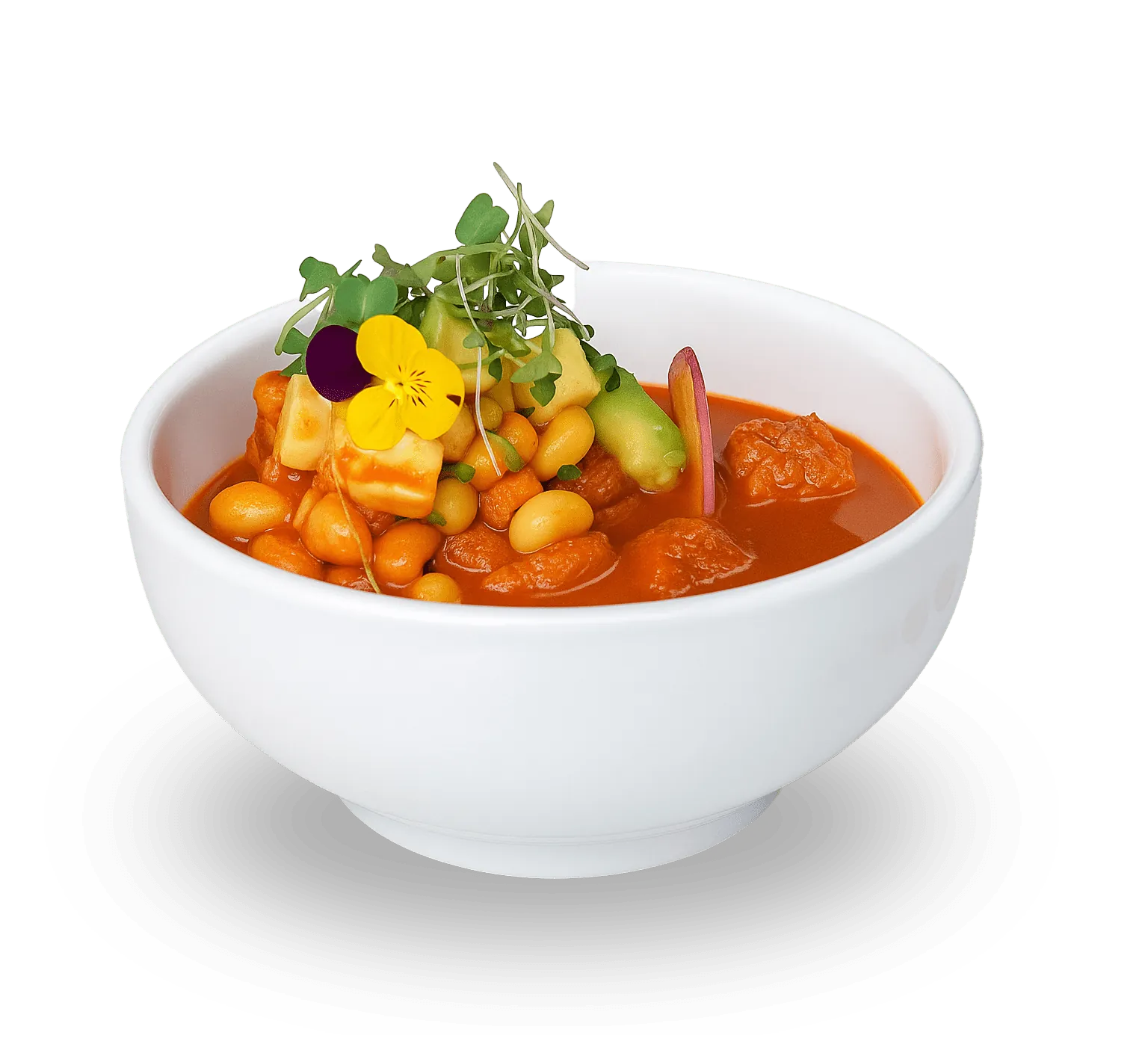
- Sopa de totopos: tomato and guajillo chile soup with chicken, avocado and crispy corn tortilla chips. Mexico in a cup.
- Causa 3 Soles: papa criolla, ají amarillo paste and crispy pork belly with spiced sour cream. Classic Peru.
- Shrimp ceviche in lulo tiger’s milk: with red onion, sweet pepper, avocado, sweet potato purée and toasted corn. Fusion at its freshest.
- Chicha morada: Peru’s purple corn and fruit drink, to go with everything above.
World Food Day at 3 Soles: frequently asked questions
When is World Food Day 2026?
Friday, October 16, 2026. It marks the founding of the FAO in 1945, and this year’s theme is “Innovate today. Nourish tomorrow.”
Is 3 Soles open on October 16?
Yes. On Fridays we’re open from noon to 11 p.m. The rest of the week: Thursday, noon to 9 p.m.; Saturday, noon to 11 p.m.; Sunday, 9 a.m. to 9 p.m.; and Colombian public holidays, noon to 7 p.m. We’re closed Monday through Wednesday unless it’s a holiday.
Which native ingredients are on the 3 Soles menu?
Among others: papa criolla, goldenberry (uchuva), banana passionfruit (curuba), lulo, camu camu and copoazú. We pair them with Mexican and Peruvian techniques in dishes like the lulo tiger’s milk ceviche or the white fish with copoazú butter.
Are there vegetarian options at 3 Soles?
Yes. The menu includes plantain cups with tofu, a tofu version of calentao (a Colombian rice-and-beans breakfast hash), tofu chaufa fried rice and a cheese quesadilla.
Where is 3 Soles, and how far is it from Bogotá?
We’re on the Vía Cerca de Piedra, off the Chía-Cota road in Chía, Cundinamarca, a short drive north of Bogotá. There’s 24/7 monitored parking, and pets are welcome in our outdoor areas.
A table with three traditions is waiting for you this October 16
Celebrating World Food Day doesn’t have to be serious. It can be as simple as sitting down with people you love, ordering an ajiaco, a causa and a round of tacos, and talking about where everything came from. That’s what we do every day at 3 Soles, and this Friday we’d love to do it with you. If you’re planning a trip to Bogotá, add us to your itinerary.