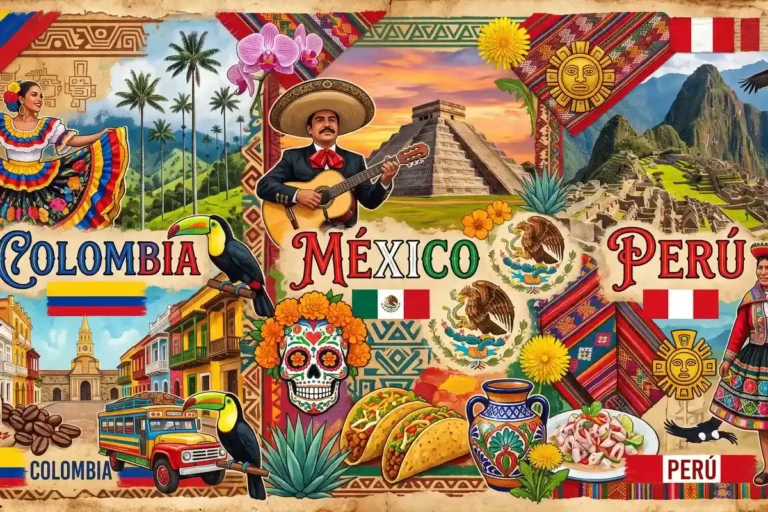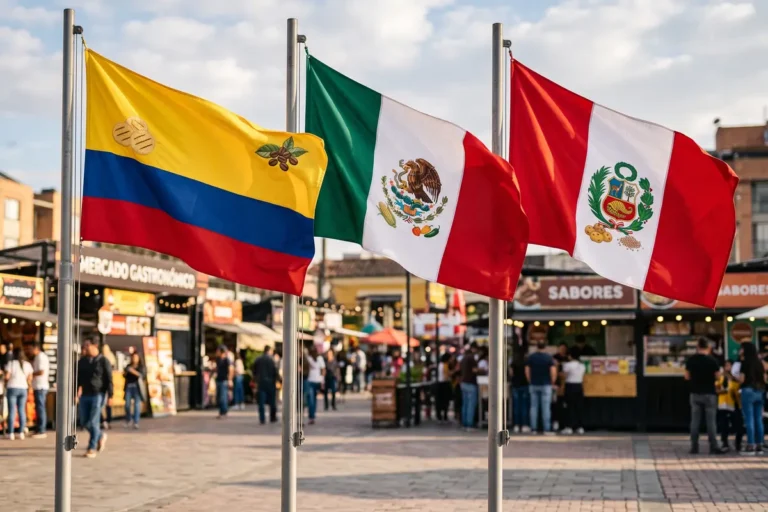
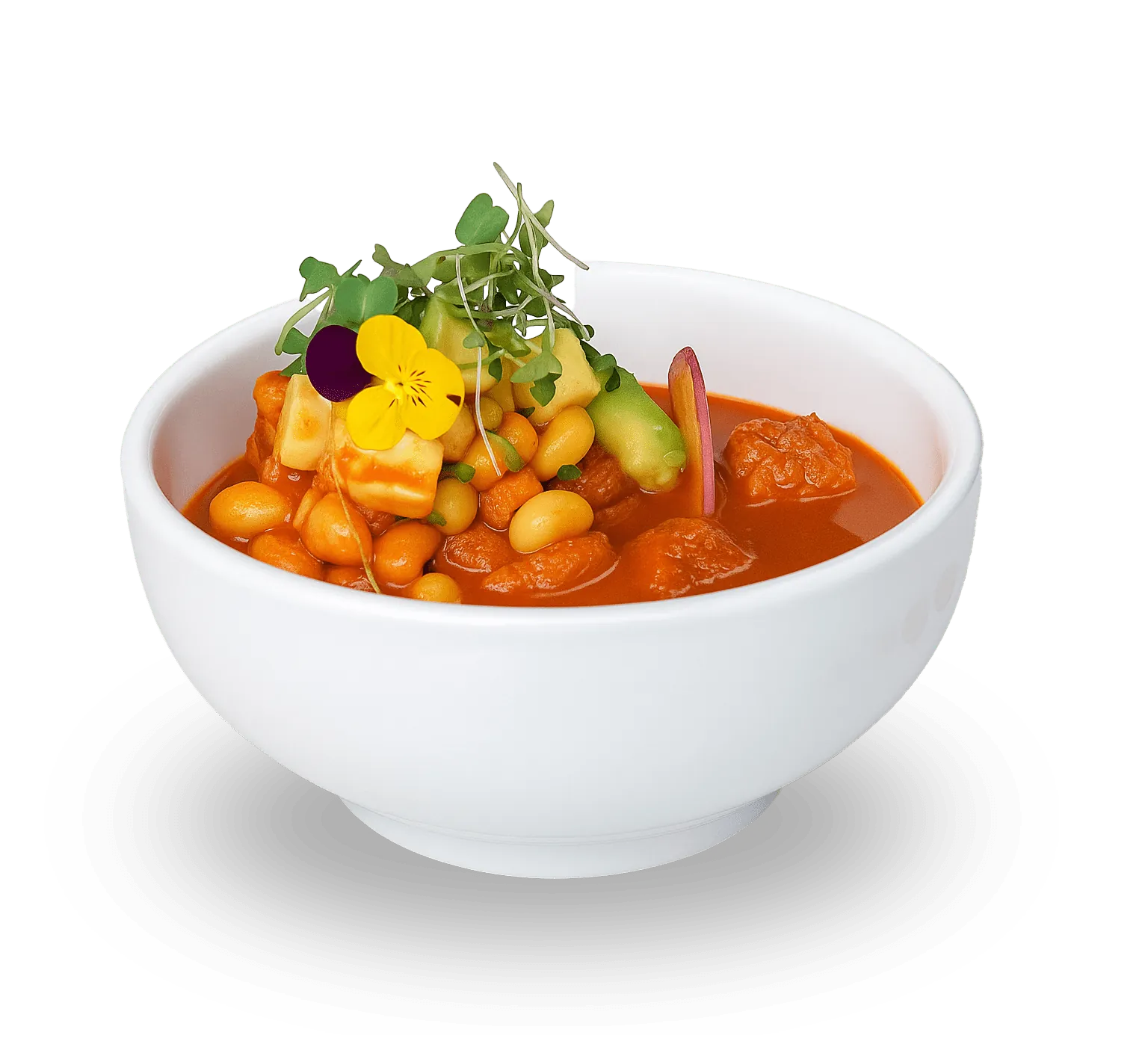
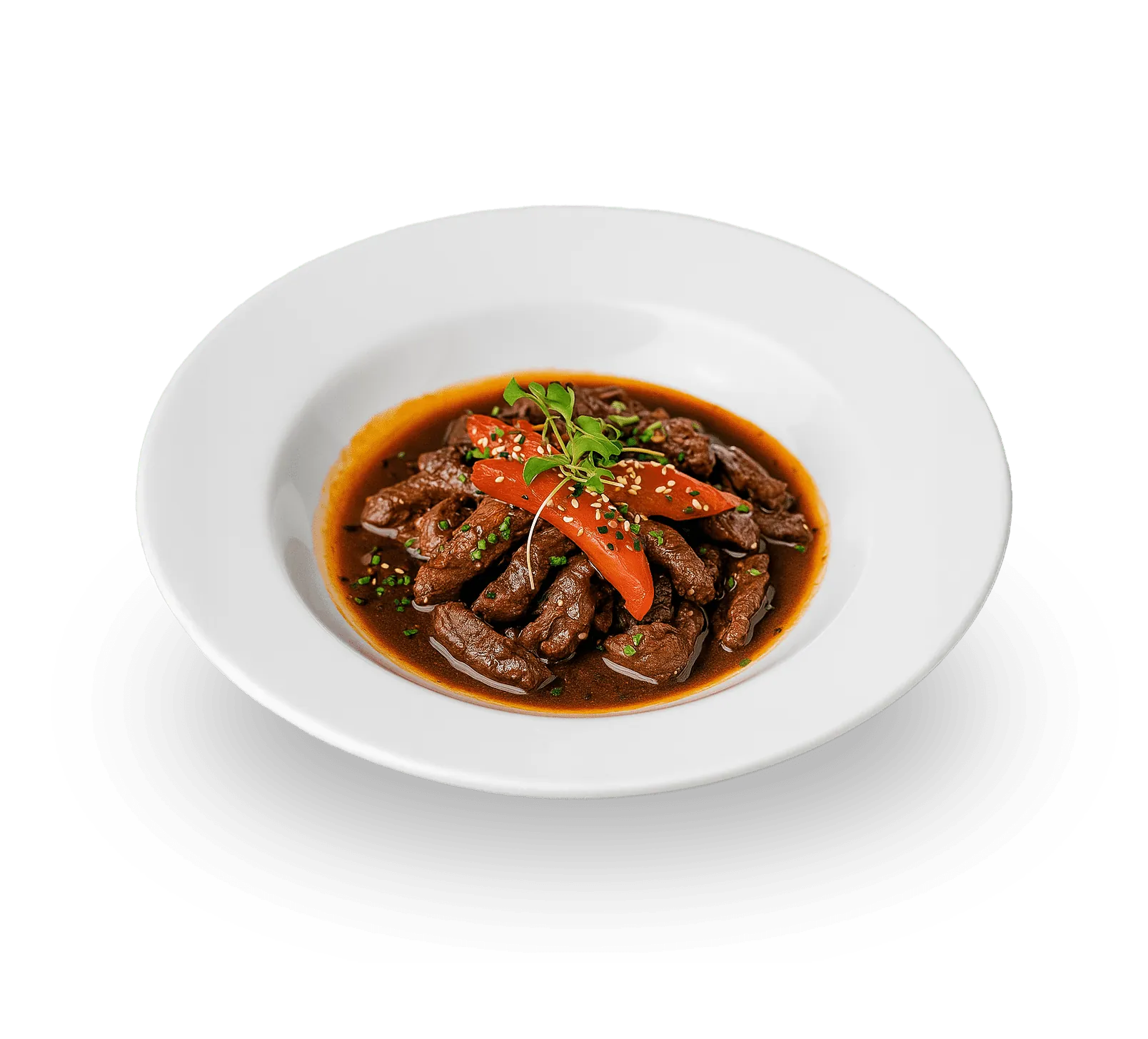
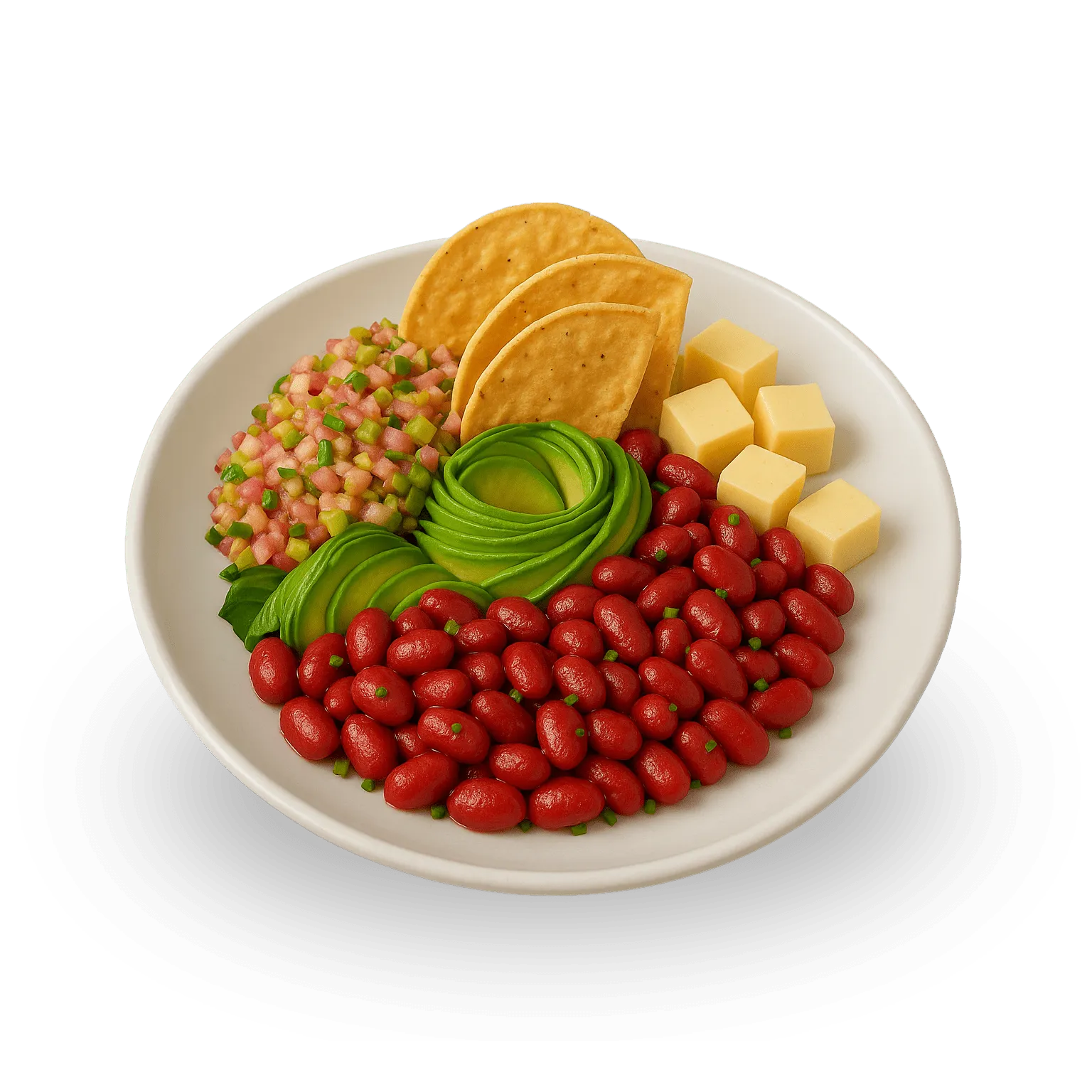
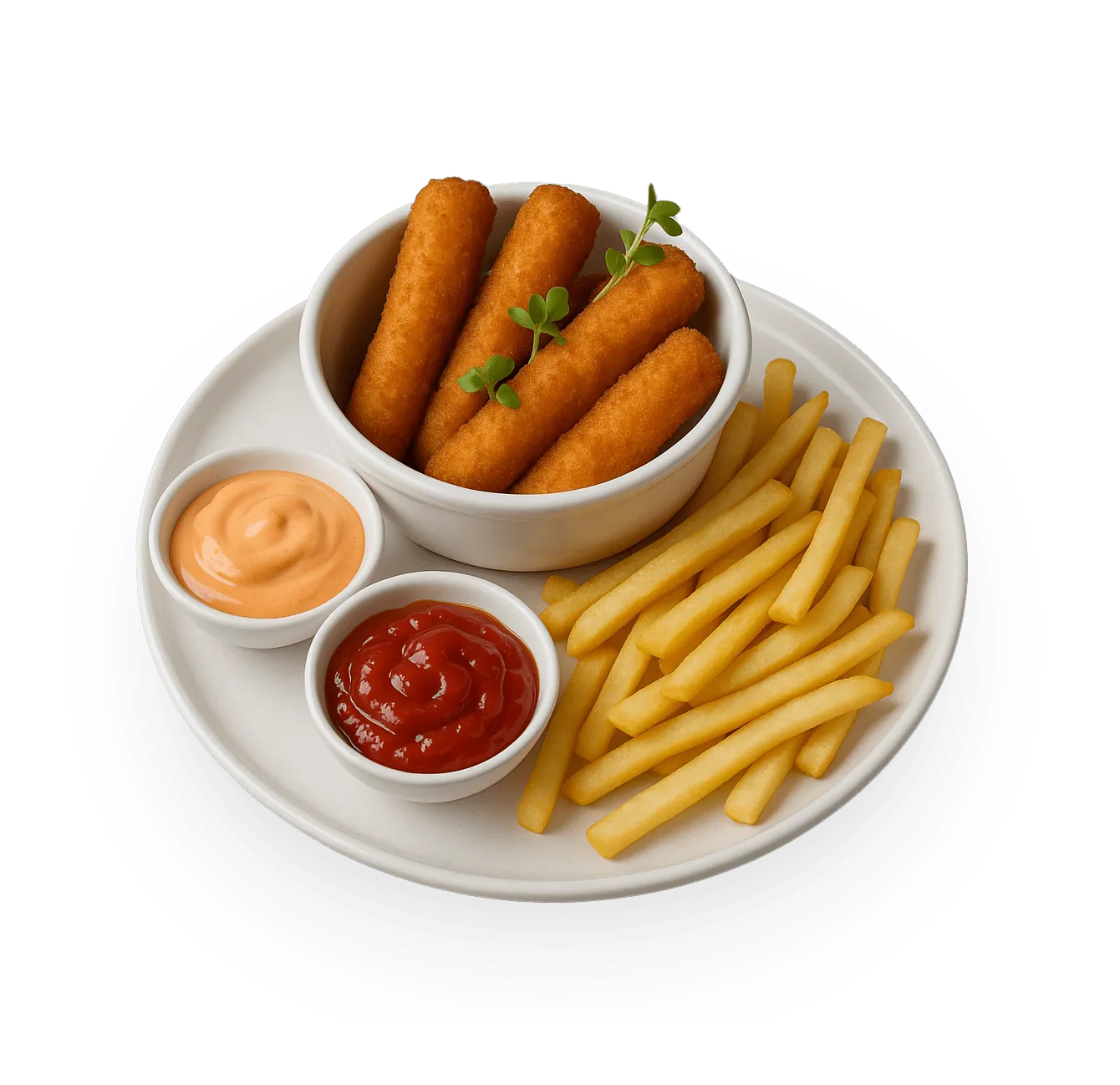
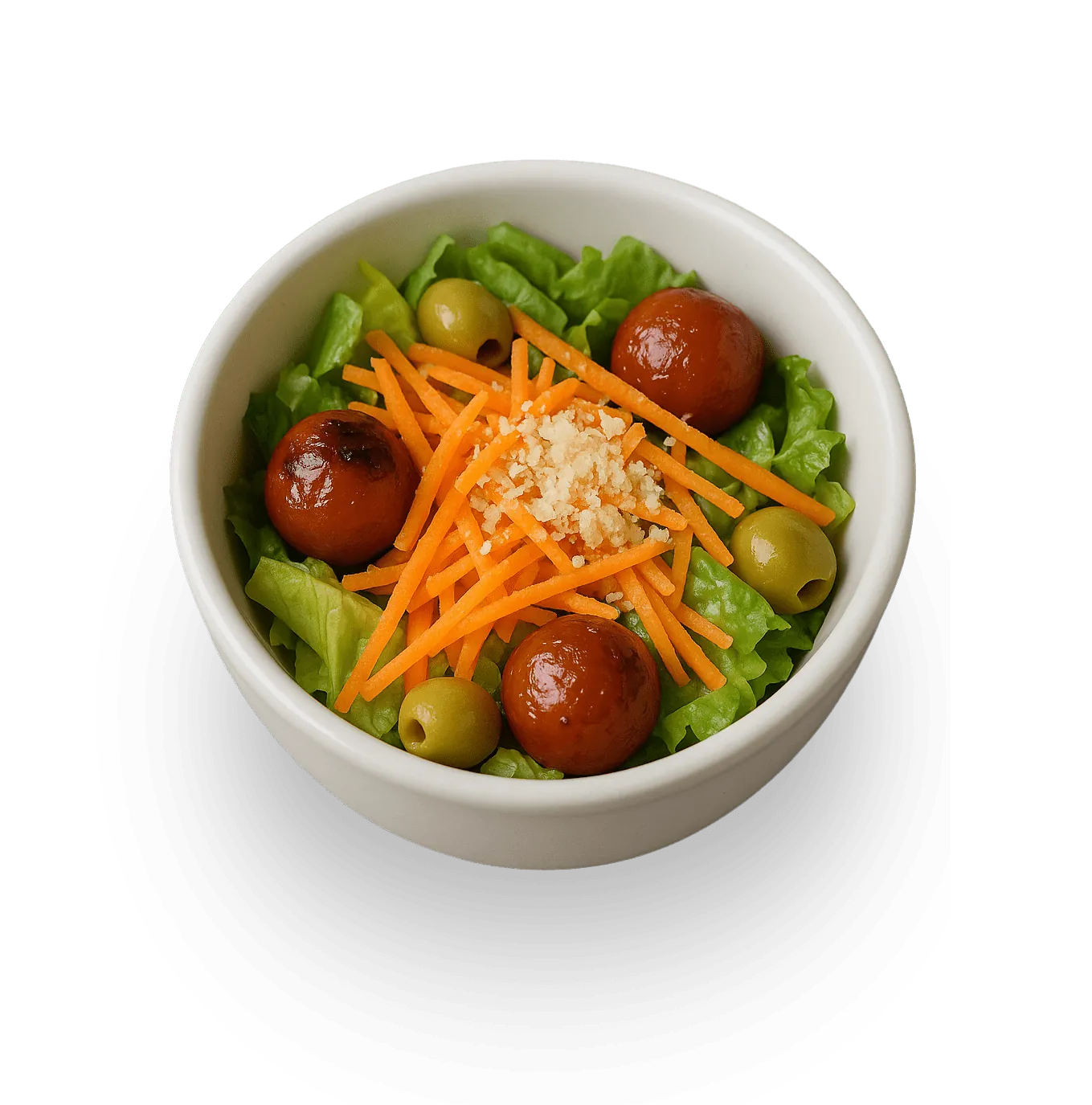
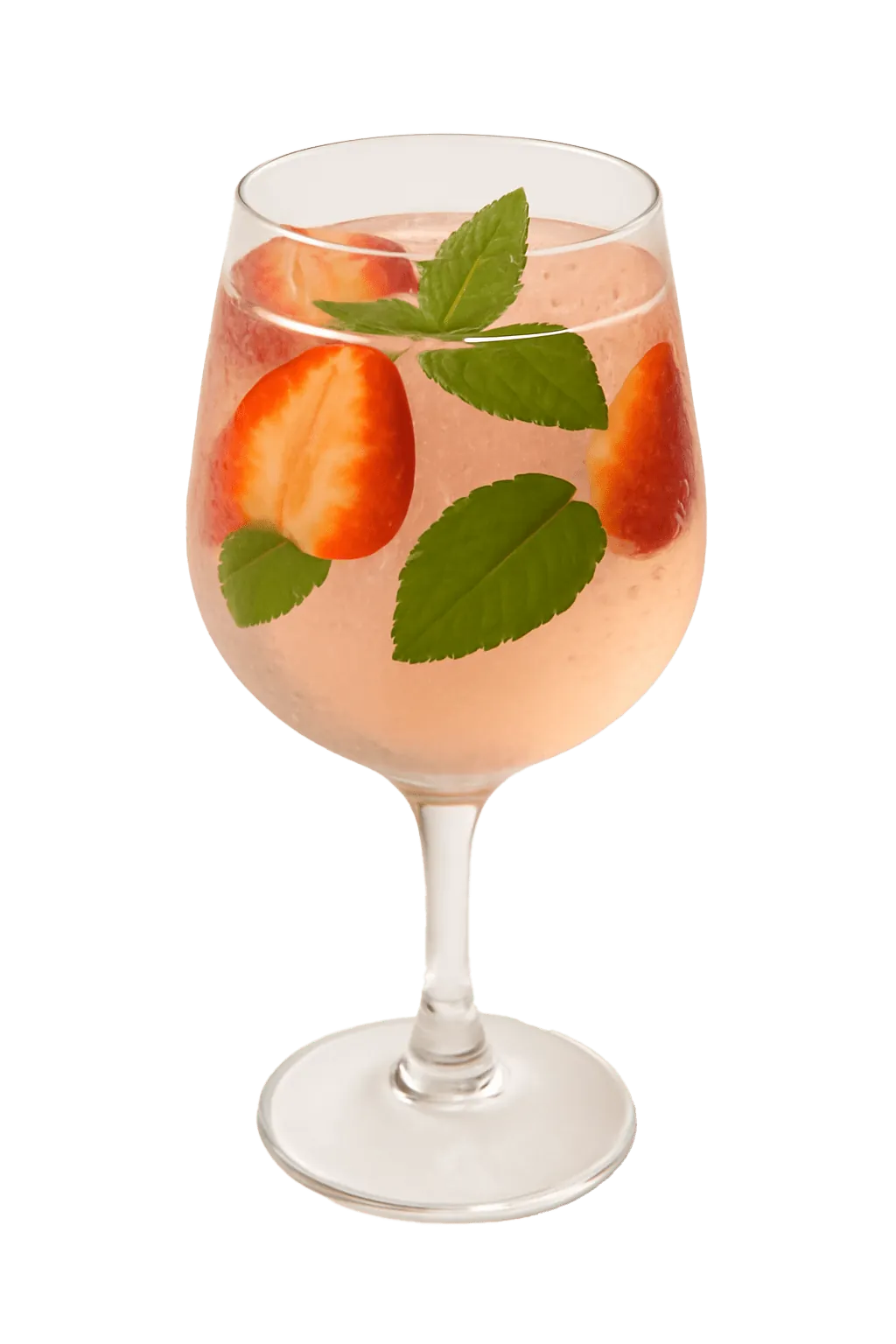
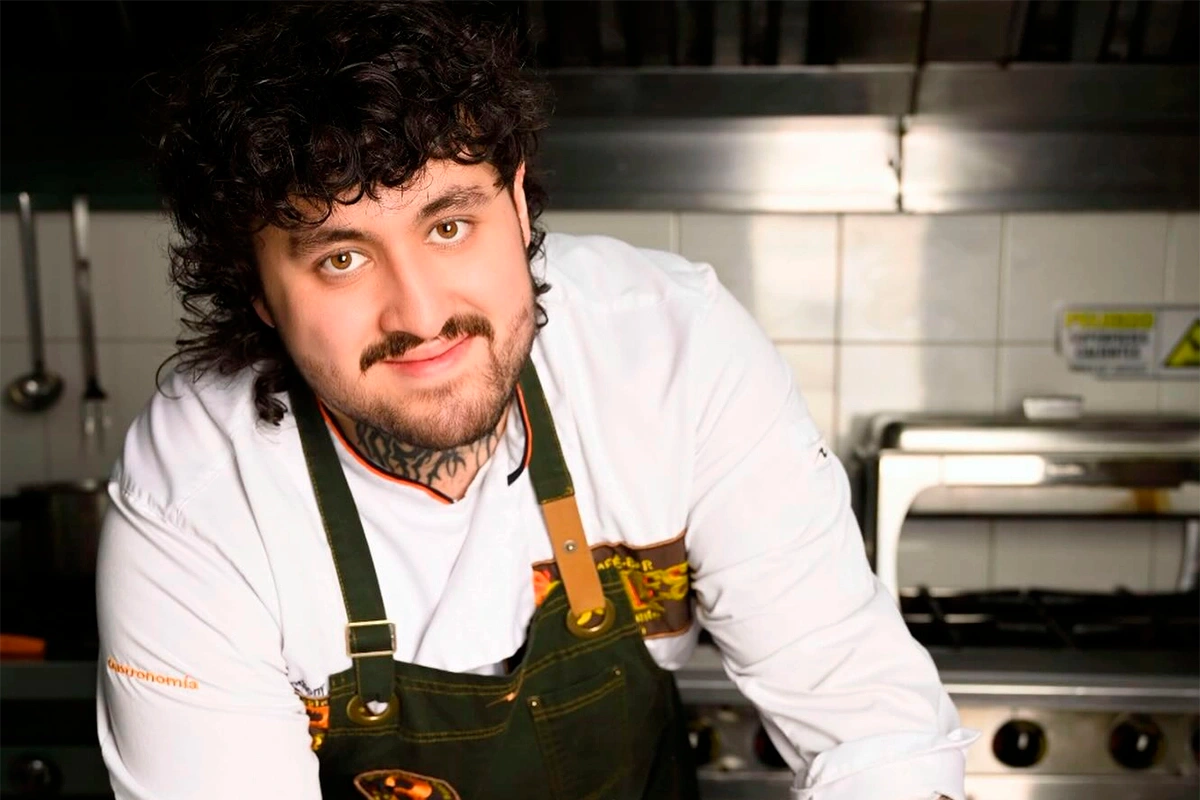
There’s something unusual about saying that a Colombian dish’s “re-invented.” The Colombian cuisine has been re-inventing itself for centuries, and with a mix of the indigenous and Spanish and African countries. What 3 Soles does isn’t as different at first place: to follow that same logic of mix but to add ingredients and techniques from Mexico and Peru to the equation, rather than to stop at the influences that have been established centuries.
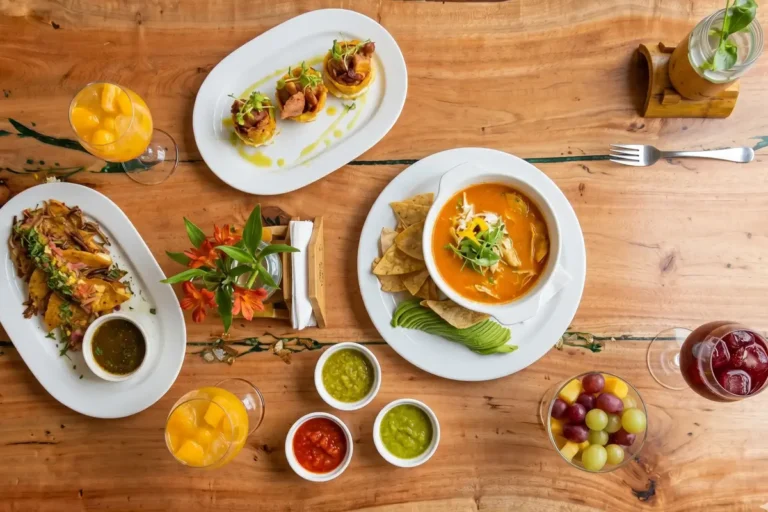
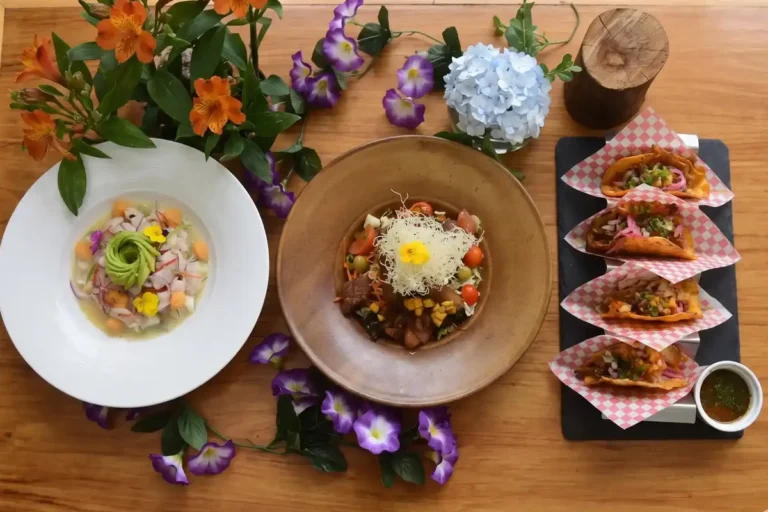
The result isn’t always a plate with a new name. It’s sometimes as simple as an Ajiac that remains an Ajiac, served with a Peruvian ceviche and some Mexican tacos at the same table, so that everyone get their own version of the fusion without the restaurant’s have to figure out a plate with a name that’s been pounding to justify it.
A fusion that doesn’t require complicated names
Many restaurants that are sold as “mergers” fall into the trap of giving them strange names to simple things as if the complicated name warranted the price. 3 Soles does not appear to require that trick: the chaifa remains called chaifa, the birria remains birria and the ajiac does not become “old soup reinterpreted.” The fusion goes through technique and ingredient, and not by name in the letter, and that’s honestly appreciated when you just want to know what you’re asking for.
Where we can most note the reinstatement
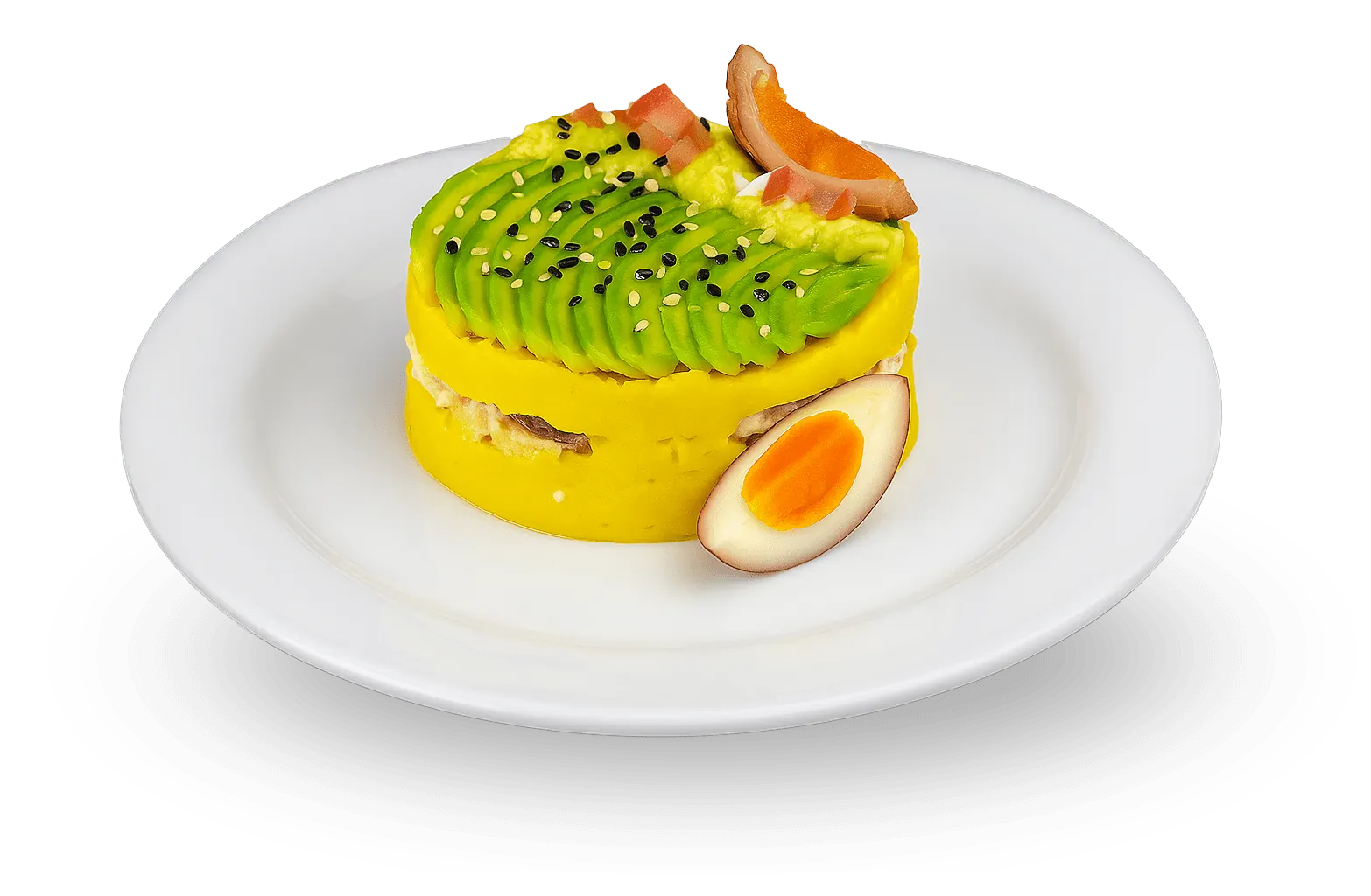
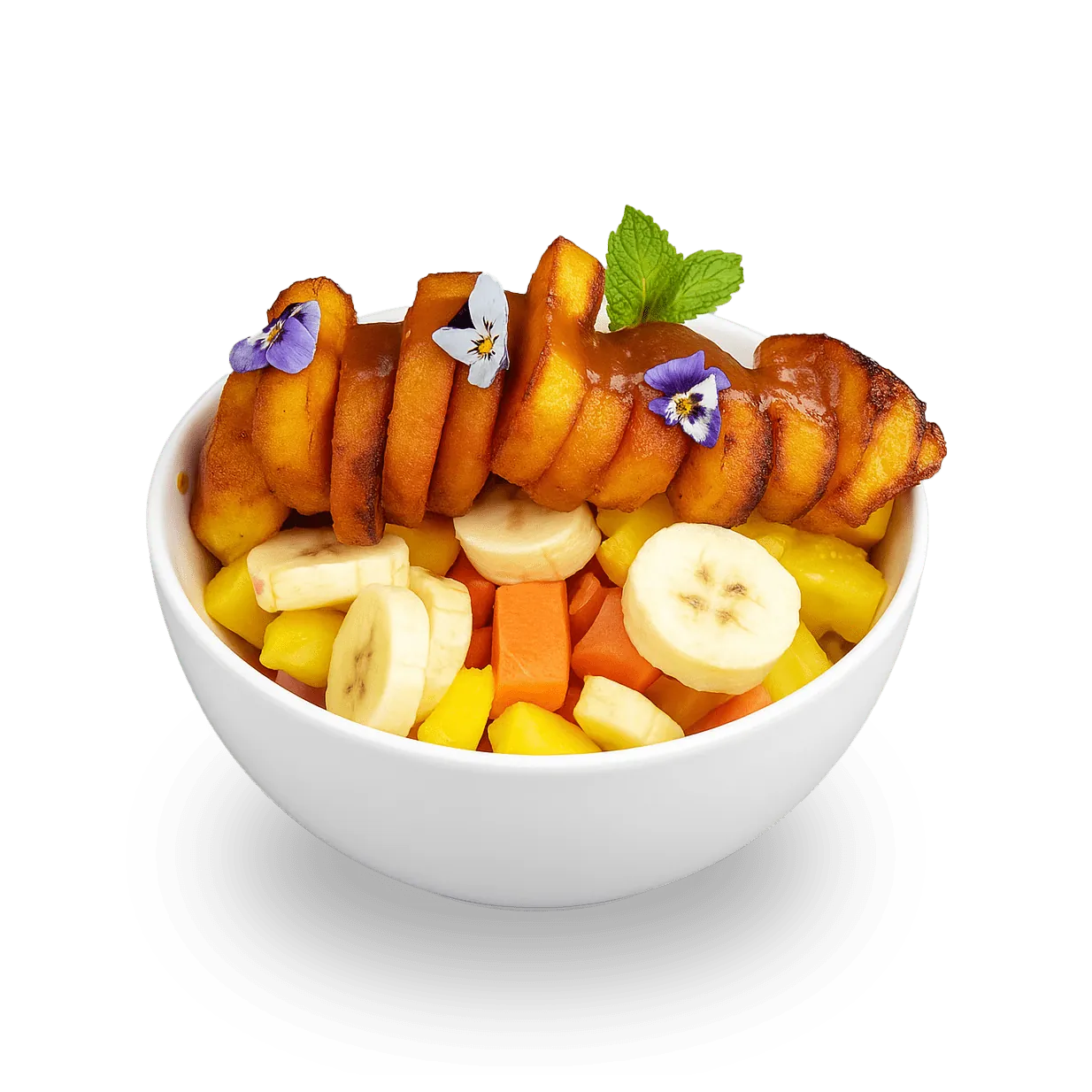
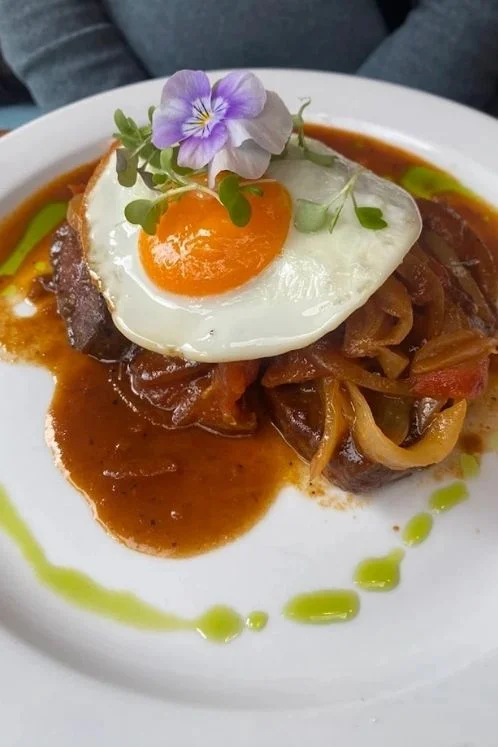
There are plates in the letter where the mixture is more literal. The shrimp chaifa, for example, is the Chinese-Peruvian technique applied with an ingredient that any Colombian recognizes. The birria’s apes do the opposite: they have something deeply Colombian, and they have an apex and they have a Mexican apron. Both of them are more true than the other and they are both honest about what they are.
Other less obvious examples: chicken with an uchuva sauce uses a typical fruit from the Colombian Andes in a production that could well be put through Mexican. And the cuuba salsa bonus brings another local fruit to a plate of pork that you normally have to have with more classical sauces. In both cases, Colombian fruit does the work of differentiation, with no need for imported ingredients or complicated techniques.
The role of local fruit in this fusion
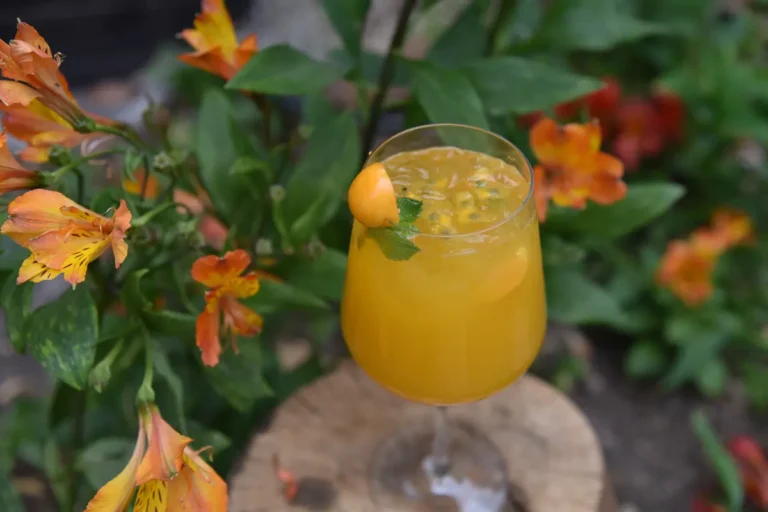
If there’s a pattern that’s repeated at several plates of the letter, it’s the use of rare Colombian fruit in the traditional cuisine of the country: duchuba, cuuba, camu camu, lulo. None of these fruits are exotic to a Colombian but they are also unusual to see by starring in strong plate sauces. That detail is perhaps the most consistent seal of the fusion that the restaurant manages: it’s about bringing ingredients from other countries but about giving local ingredients a use they normally wouldn’t have.
If you have little time, ask for this.
To get this mixture right at once, order the birdie apes ($39,100) and continue with the shrimp chaifa ($46,900) as a strong plate. They are clear examples of how Latino fusion looks as it works well: each takes something recognizable from one culture and combines it with the technique or ingredient of another, without the result feeling forced.
Why this matters beyond the plate
It’s not just a menu strategy. The plates more orders from the restaurant They confirm that people do seek this mixture, and they do not just tolerate it.
And if you want to get deeper into the origin of one of the star ingredients of this fusion, The History of Chaifa Rice explain why this combination has been functioning for more than a century in another completely different context: Chinese migration to Peru, a historic process that has nothing to do with Colombia but that ended up indirectly influencing what currently serves at a country restaurant in Chia.
What’s lost and what’s earned by fusing
Any merger involves negotiations. When you mix kitchens, some plates lose something as purtiest as they gain a new identity that would otherwise exist. The shrimp chaifa, for example, isn’t as truly Peruvian as one prepared in a Lima chifa but it doesn’t purport to be. It’s his own version, made at Chia, with ingredients available in Colombia and that’s also his own value.
Frequently Asked Questions
Do Colombian plates lose their identity by merging?
Not necessarily. In most cases, the Colombian plate remains recognizable and what changes is what goes with it at the table or some punctual ingredient.
What’s the most representative plate of this fusion?
It’s up to taste, but birdie and shrimp’s rag are often the most surprising to those who first visit the restaurant.
Are there unmixed, more traditional options?
Yes, plates such as the Ajiac or Rib Rod are true to the classical Colombian recipe without intervention from other kitchens.
What Colombian fruit are used at the fusion?
The cuchuba, cruba, camu camu and lulo appear in different plates and drink from the letter, each with a different flavour profile.
If you want to prove this fusion in person, book your table here.