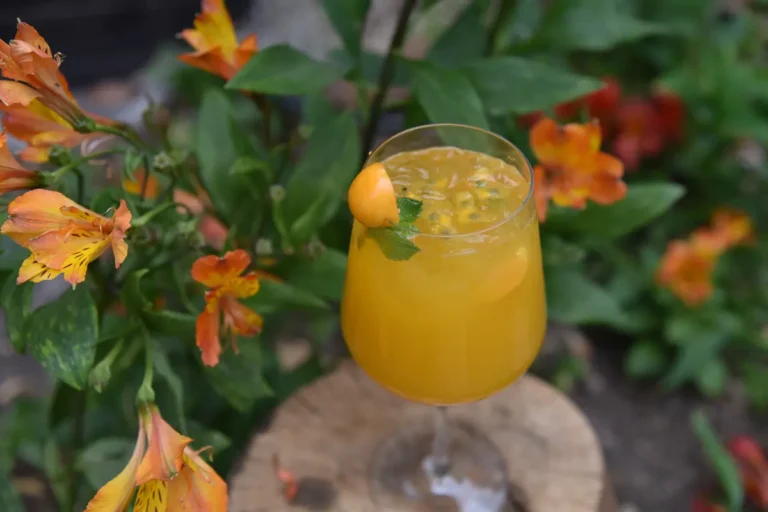
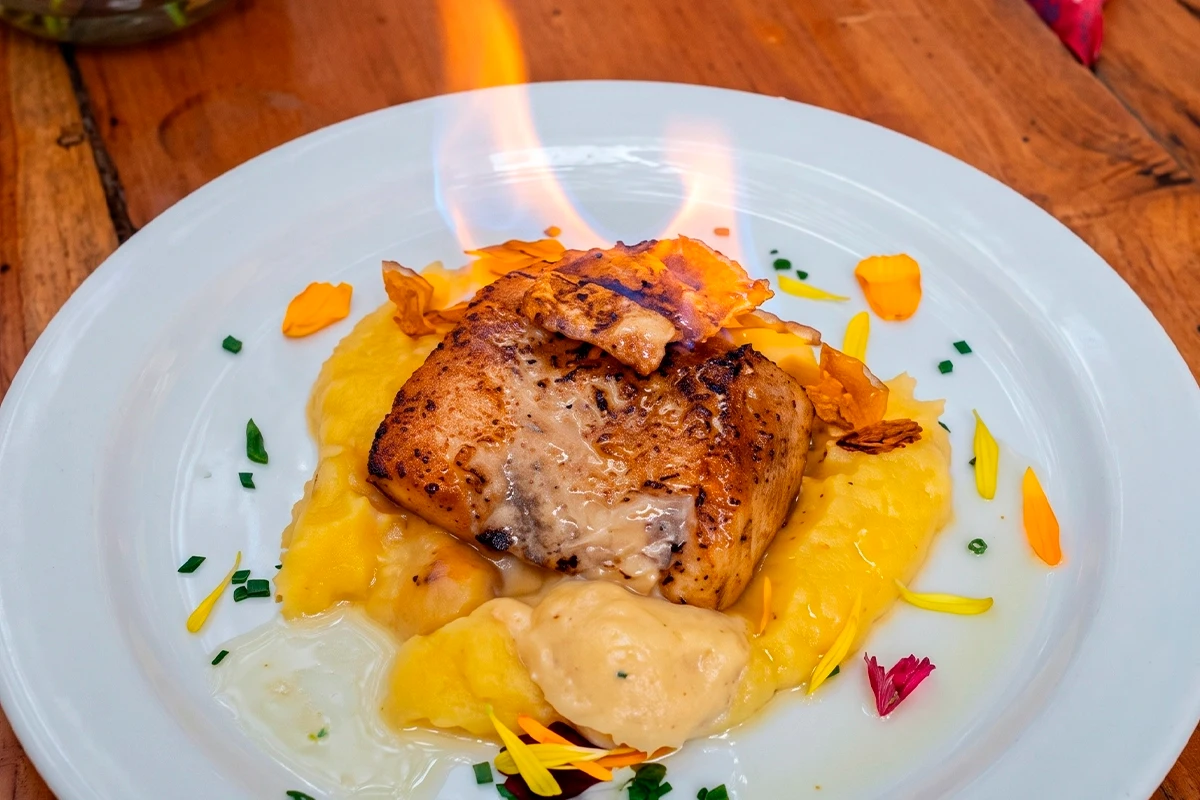
Rapid Summary: Copoazú is an Amazon fruit related with cocoa, with an acid and tropical flavour, 3 Soles converts to butter to accompany the white fish from his seawatlist at Chia.
Key points in 30 seconds
- Copoazú is an Amazon fruit from the same family as cocoa.
- The taste of this species is acid and tropical, different from chocolate despite botanical familiarity.
- In 3 Soles it’s used as butter to accompany fish.
The Colombian Amazon has fruits that are barely known outside the region and the copoazú is one of them. That appears in a letter from a restaurant at the Sabana de Bogotá, hundreds of miles from its place of origin, says quite about the restaurant’s interest in local ingredients that have been little explored in the fusion cuisine.
What exactly’s the copoazoo
The copoazu belongs to the same botanical family as cocoa but its taste has nothing to do with chocolate. It’s an acid pulp fruit with tropical notes that remember a little about guanabana or maracuyá but with an own profile that’s difficult to compare directly with another known fruit. It is grown mainly in the Amazon region and its use in the Spanish cuisine remains rare outside that area of the country.
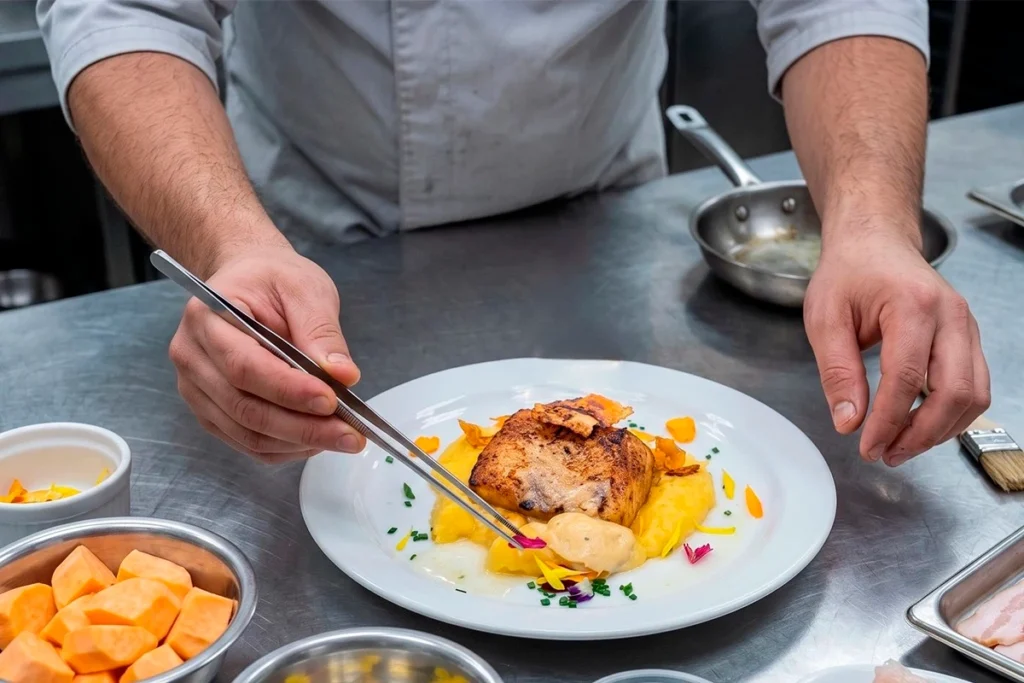
How Copoazú is used in 3 Soles’s letter
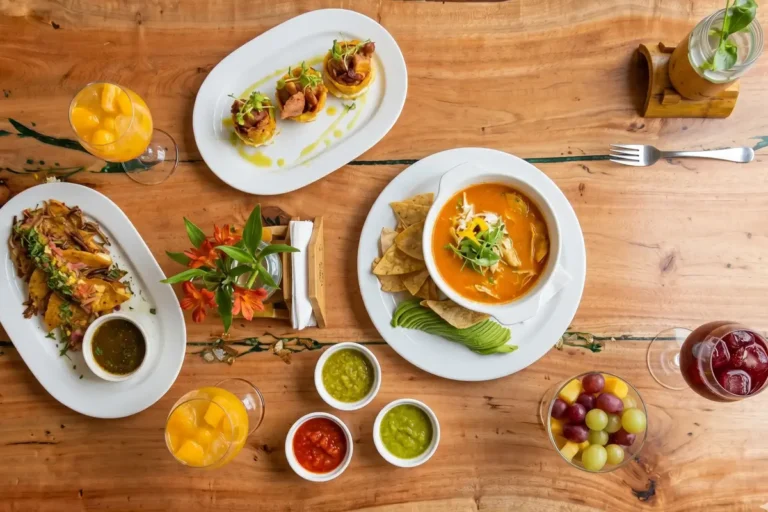
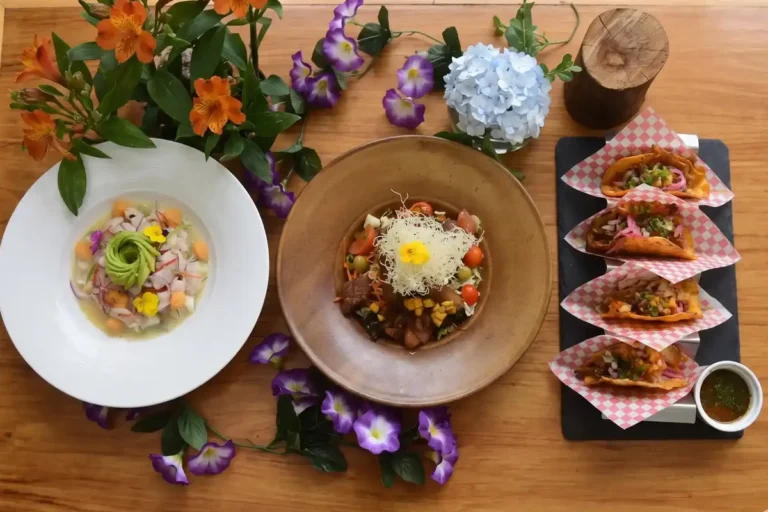
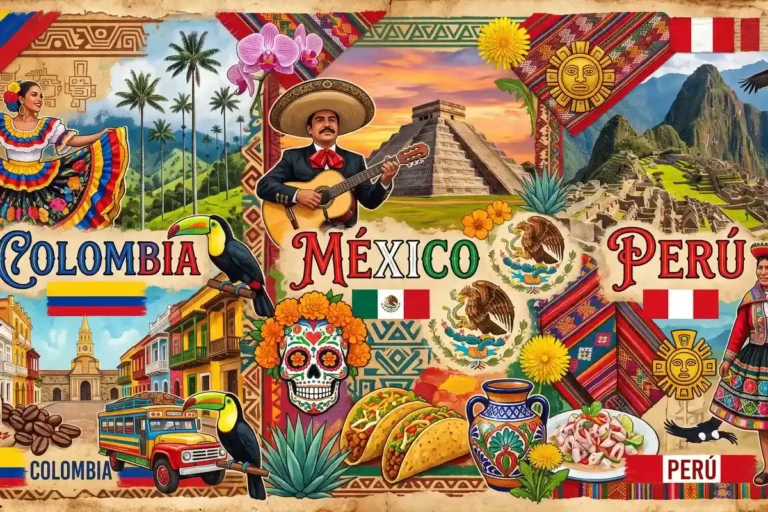
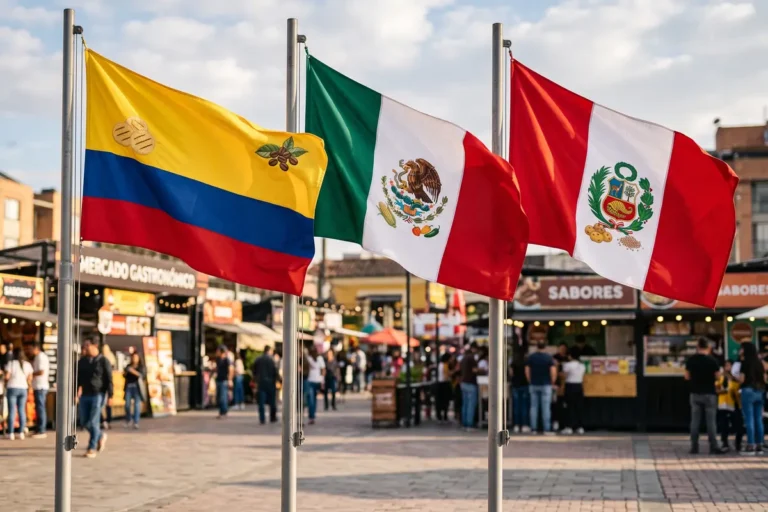
At the restaurant, the copoazú became a butter that accompanied the White fish, on a plate that also flares with tequila before serving. It’s an example of how the Latin American fusion that characterizes 3 Soles does not simply mix Colombia, Mexico and Peru but also rescates local ingredients that go beyond what we get at any market in the Sabana, online with what they represent as the seaweed salad in ponzu of camu camu, that also uses an Amazon fruit, camu camu as part of its production.
Why an ingredient you don’t know’s worth trying out
To demand a plate with an unknown ingredient always generates some doubt but the copoazú has an advantage: its acidity makes it compatible with almost any palate, without being an extreme or difficult fruit of flavour. It’s a good way to try something different without the risk of a taste that’s too strong or strange for those who aren’t used to Amazon cuisine.
How to compare with other fruit touches from the letter
3 Soles uses fruit in several preparations of the seaward and pork: the curuba salsa from the Bondiola, the biche mango from the pitted back and now the copoazu from the white fish. Each of them has a different function: cutting up fat, adding acidity or, in the case of copoazú, giving an ingredient to an already prepared plate that few diners have been tested before.
How to ask if this’s your first time
- Don’t expect a chocolate flavour. Despite his relative with cocoa, his copoazu is an acid and tropical, and his body’s blood isn’t sweet and his body’s blood’s been chewed.
- He’s been tipping his plate as soon as we get his plate. The tequila used in the production is cooked with fish and with no strong flavour of alcohol.
- Company with a white wine or an autographand they are well combined with the acid profile of the copoazu.
- Question about the fish seasonas as a fresh product, availability can vary with time.
Why it’s worth a country restaurant betting on Amazon ingredients
To bring an Amazon ingredient to a restaurant at the Seville’s Sabana isn’t an obvious decision from a logistics point of view. It requires specific providers and constant demand that warrant keeping them at the card, something that many fusion restaurants avoid by choosing easier to get ingredients in the centre of the country. That 3 Soles keeps the copoazú as a fixed part of a plate and not as a special season edition reflect an commitment to show diversity of Colombian fruit beyond those best known as lulo or guava.
How common it is to find copoazú at restaurants in Bogotá or the Sabana
Outside some restaurants specialized in Amazon cuisine, the copoazú practically does not appear in the letters of Bogotá or the nearby municipalities. His presence at 3 Soles makes him one of the few places in the region where a guest can have his fruit without planning a specific journey to the Amazon or to a niche restaurant dedicated exclusively to that kitchen.
If you have little time, ask for this.
- White fish with copoazoo butter ($68,800), the main plate of this review.
- Salted seaweed in camu camu ponzu ($44,900), another production with Amazon fruit.
- A glass of white wine from the letter, to accompany the acidity of the copoazú.
- Fitted with a deconstructed and with a completely different taste.
Do copoazu taste about chocolate?
No, while from the same botanical family as cocoa, its taste is acid and tropical, with no chocolate notes.
Where’s his copoazoo grown?
Especially in the Amazon region of Colombia and other countries of the Amazon basin.
Is the plate with copoazú very advanced?
Yes, fish are flaked with tequila and washed with copoazu butter, a more complex production than other fish plates from the card.
Is there another plate of the letter with Amazon ingredients?
Yes, the seaweed salad in camu camu ponzu uses camu camu, another Amazon fruit, in its production.
How much does this plate cost as compared with other seaport?
The copoazoo butter and white fish have an intermediate price within the sea category, under the steal and above the salmon.
If you like to discover flavors you haven’t been at before, Uncover 3 Soles’s letter of his and order the plate with copoazoo.