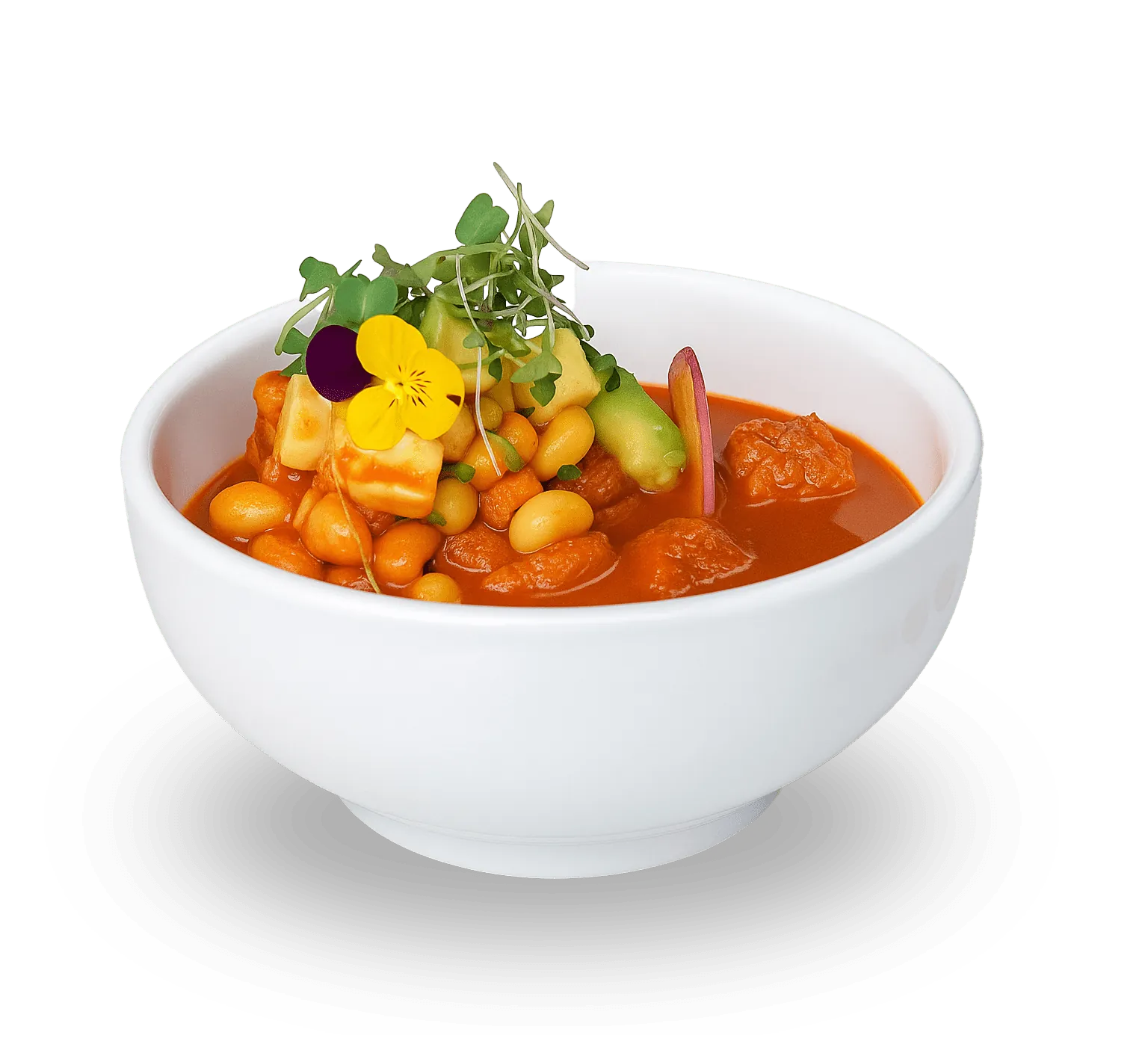

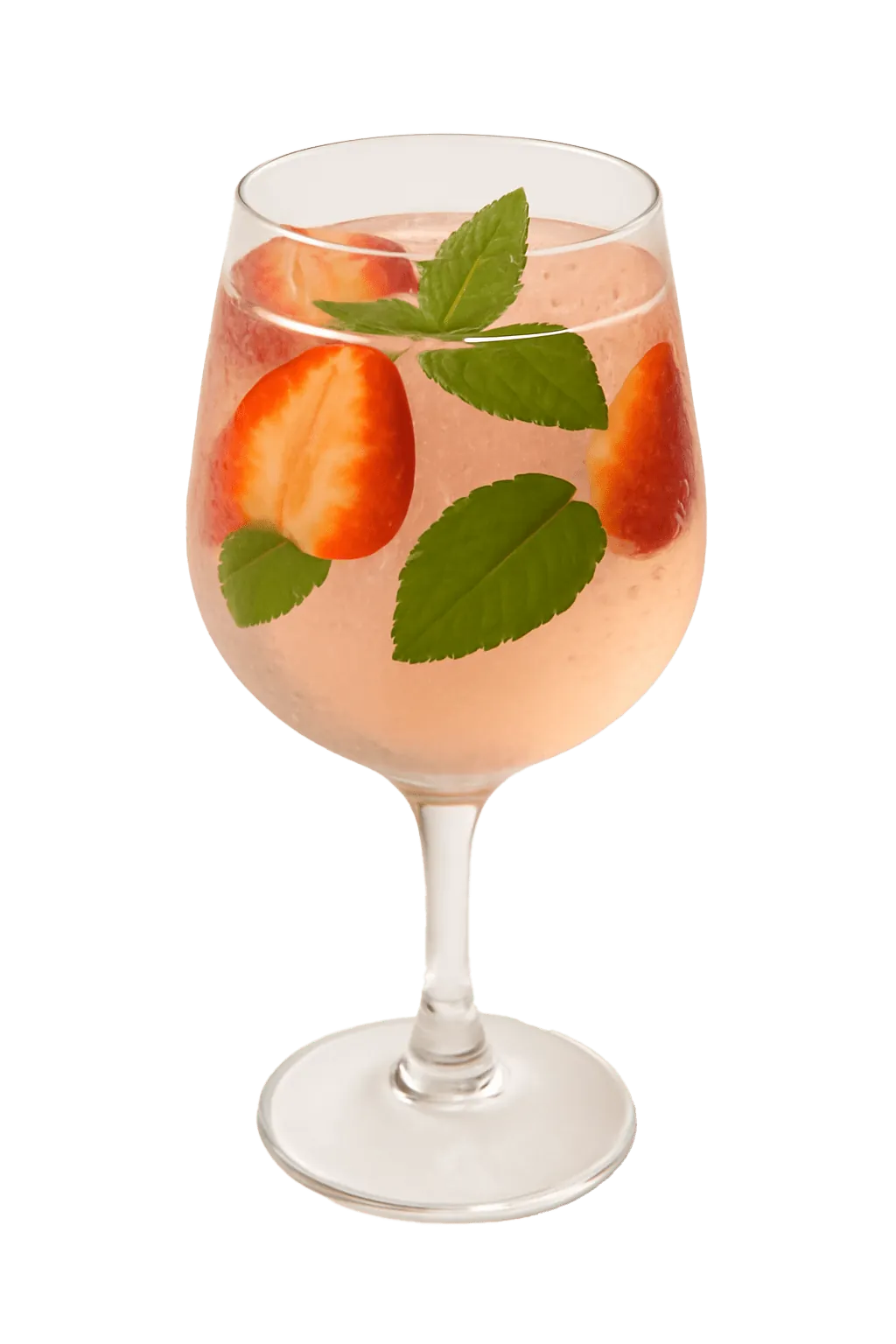
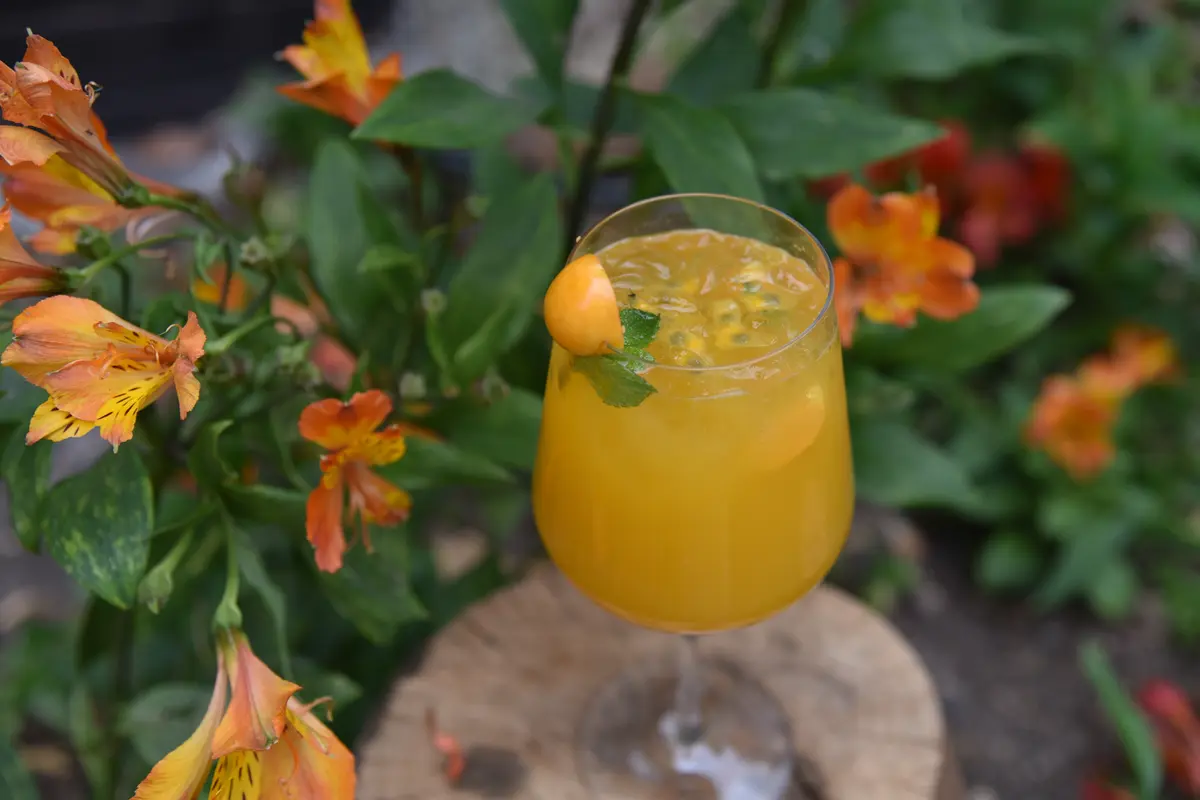
Rapid summary: Uchuba, cuuba and lulo are Colombian fruit with an acid flavour that 3 Soles converts into sauces, cocktails and copyplates, without losing the character that makes them recognizable.
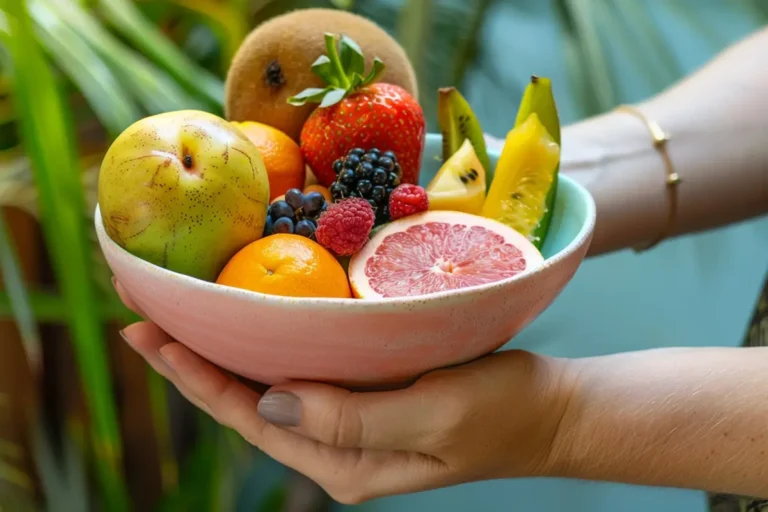
Colombia has a variety of fruit that are rarely exported or known outside the country and but are however a daily part of local diet. Uchuba, cuuba and lulo are three of the most representative: all acidic, all versatile and all with a concrete place in 3 Soles letter.
Uchuva: the wrapped fruit that does not require presentation
The Ucha’s best known of all three, thanks to its growing export in recent years. It’s a small fruit with a sour taste and grows wrapped with a kind of natural dupstick. It’s grown mainly in high areas of Cundinamarca and Boyacá, the same region where Chia’s are, and this makes her an almost local ingredient for the restaurant.
Curuba: Tropical fruit that soften the pig
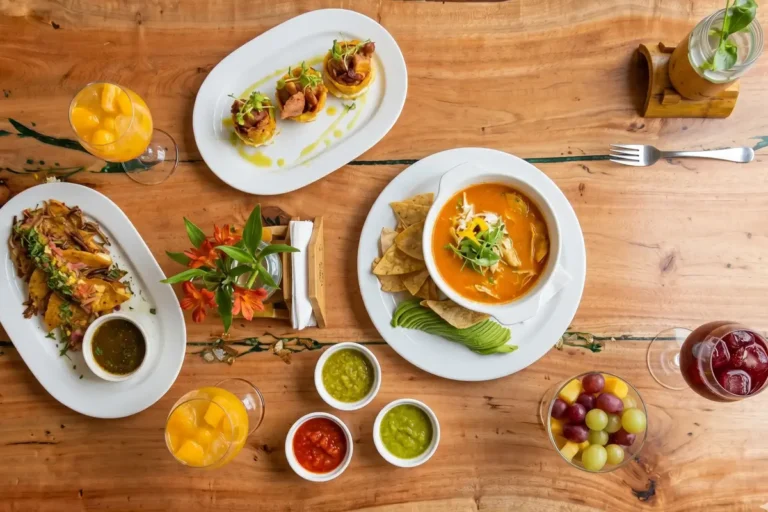
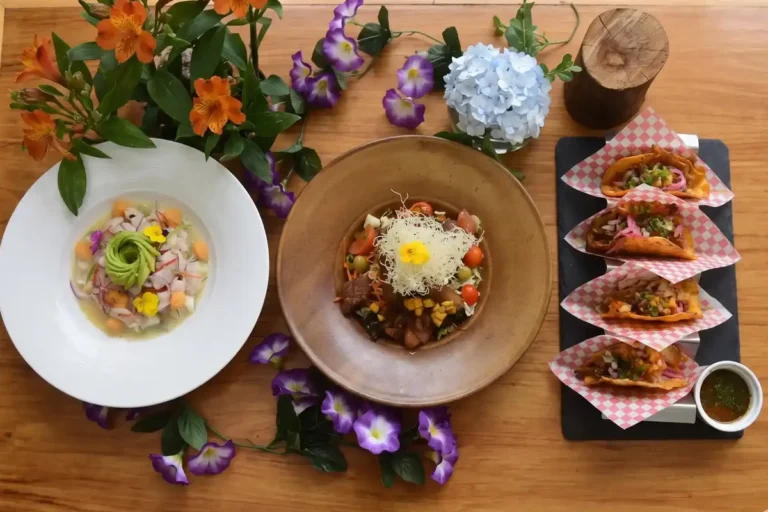
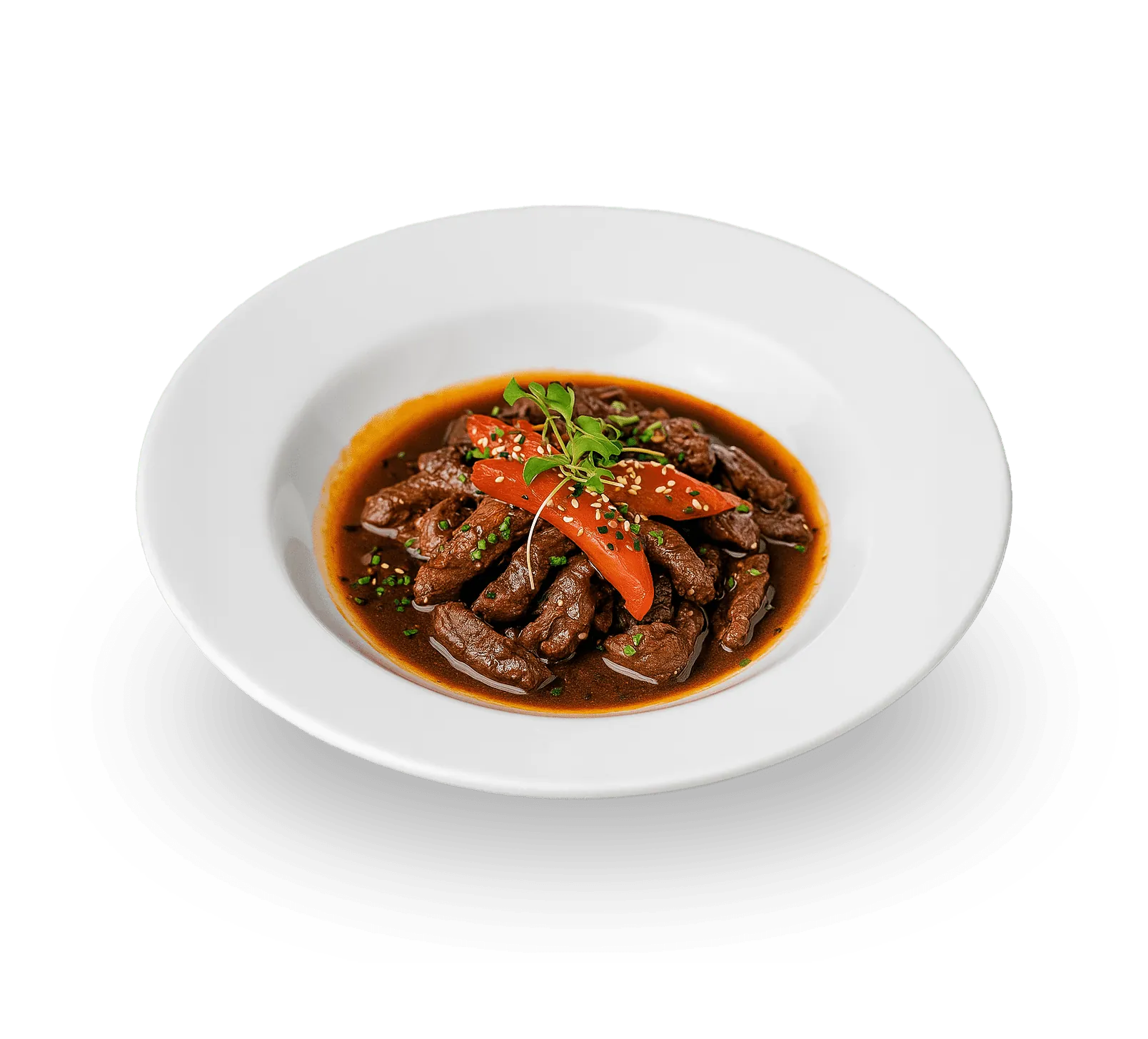
The cruba has a more acid taste than the occha with notes that remember the maracujah but with its own profile. In 3 Soles it’s used as a basis for the salsa that accompanies the pork’s Bondiola, where its acidity cuts the fat from the cut without completely cover. The Bondiola in cruba sauce It’s from the plates that best shows how an acid fruit can transform a cut of meat without needing additional spices to achieve it.
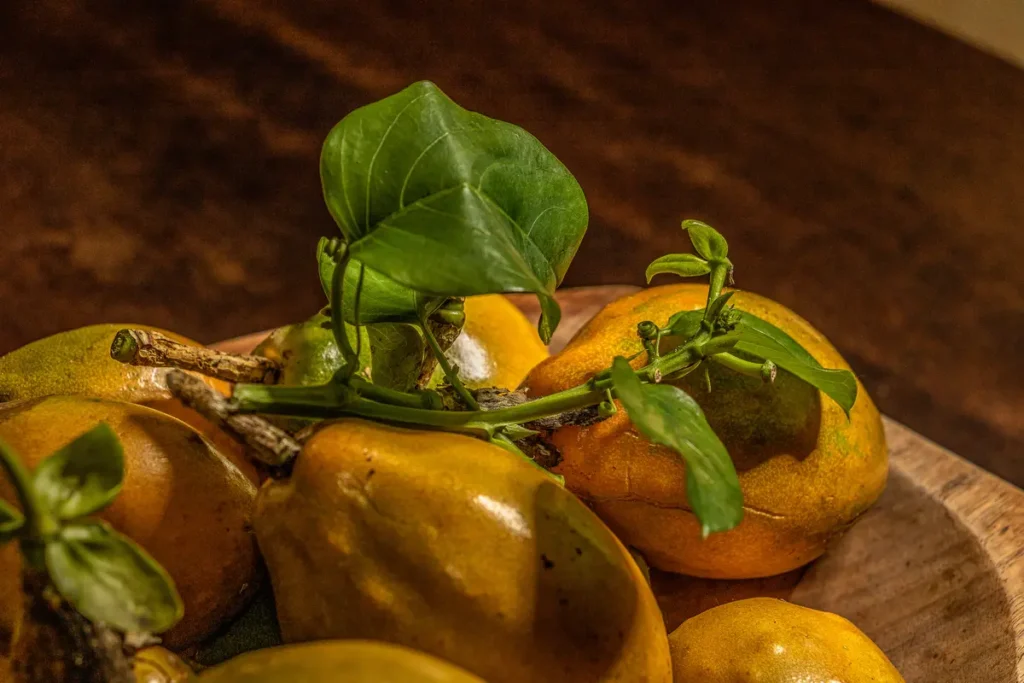
Lulo: the flavour that defines a good part of the cooking industry
The lulus is perhaps the most particular fruit of the three for those who do not know it: its acidity is intense, almost citrus with an aroma that does not look like any other common tropical fruit. On the bar letter, the lulo’s gin It’s from the most requested copyright cocktails, where its marked acidity works well with gin or as a motito base with a Colombian turn versus the traditional recipe.
Why these three fruits work so well in the autograph
Acidity as a contrast tool
The three fruit share an acid profile that makes them useful as a contrast to fatty or sweet plates. That acidity isn’t a defect to be disguised but a tool that the copyright cuisine takes advantage of on purpose, something that rarely happens when these fruits are eaten as table fruit alone.
Ingredients that were already before the fusion
Unlike products imported from other kitchens, duchuba, curuba and lulo were part of the Colombian diet well before the concept of Latin American fusion cuisine existed. Using them in copyright plates is, in a sense, a way to show that innovation does not always depend on new ingredients but on new ways to work what already existed.
The versatility between plate and drink
Few fruits work as well as a meat sauce as a copycat cocktail. Uchuba, cruba and lulo have been crossing that border with ease and explain why they appear both in the food and bar charts, something that does not occur with most of the sweeter tropical fruits, with their sugar usually limited to desserts or beverages.
That double living, between salsa and cocktail, also makes it easier for a single guest to have a double examination at the same visit without his feeling repetitive: once at the fort plate, bathing a pork cut and again at the drink as a basis for a completely different cocktail in texture and temperature.
How to distinguish them if you have never been tested
For those who have never tested one of the three, the have been the most soft and easy to eat alone, and the cruba has the most pronounced acidity of the three and the lulo is put at an intermediate point with an aroma that many describe as difficult to compare with any other known fruit. Prove them at a plate or a photo and instead of alone, they are usually best understanding why the melting kitchen takes so much advantage of them.
If you have little time, ask for this.
- Fairy basket or tofu basketTo start while you decide the fort plate.
- Bondiola in cruba sauce ($51,800), the clearest example of these fruits at a production plate.
- Author’s cocktail 2×1 with lulo, to prove the ingredient in the bar letter.
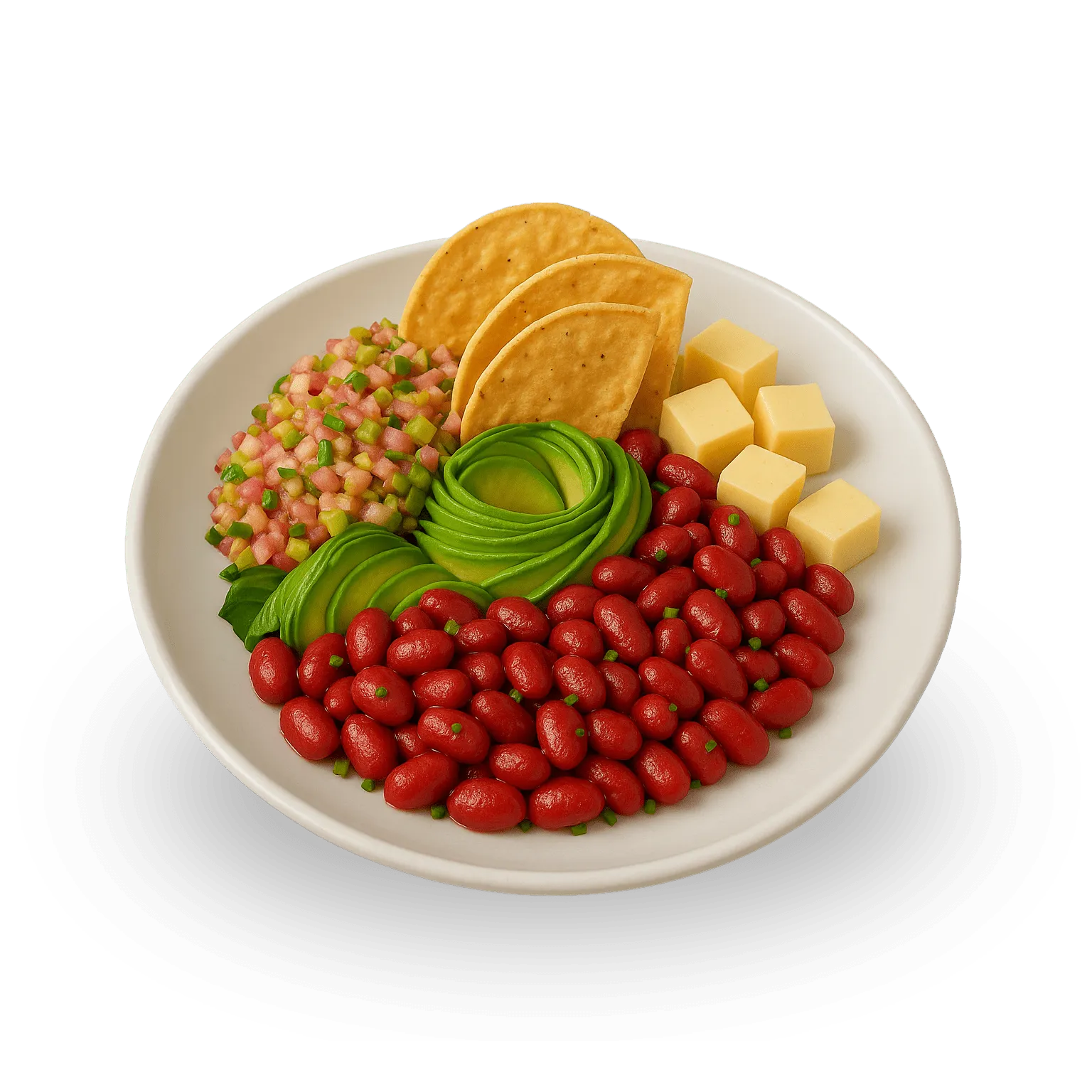
- Fitted with a deconstructed with Colombian guayaba as part of his recipe.
The cruba and the maracujah are the same fruit?
No, they are different fruits, but they share some similarity with acidity and smell. The cruba has its own profile, different from the maracujah.
Where are these fruit grown in Colombia?
Uchuba, cruba and lulo are grown mainly in high and temperate areas of the Colombian Andes, including the Cundinamarca region where Chia is.
Can I have a light if I don’t like some very apiece fruit?
It depends on your tolerance to marked acidity and with a cocktail and other ingredients, it’s usually more accessible than trying fruit alone.
Do these fruits appear at some plate of the tasting menu?
The ducha forms part of several special experience times, as the tasting menu, as well as its presence in the regular letter.
What of the three fruits are easier to get out of Colombia?
The production of an occha has been most exported in recent years and remains far more difficult to find outside the country.
If you care about trying these Colombian flavors, sees the letter with Colombian ingredients and discover what plates and cocktails appear in.