
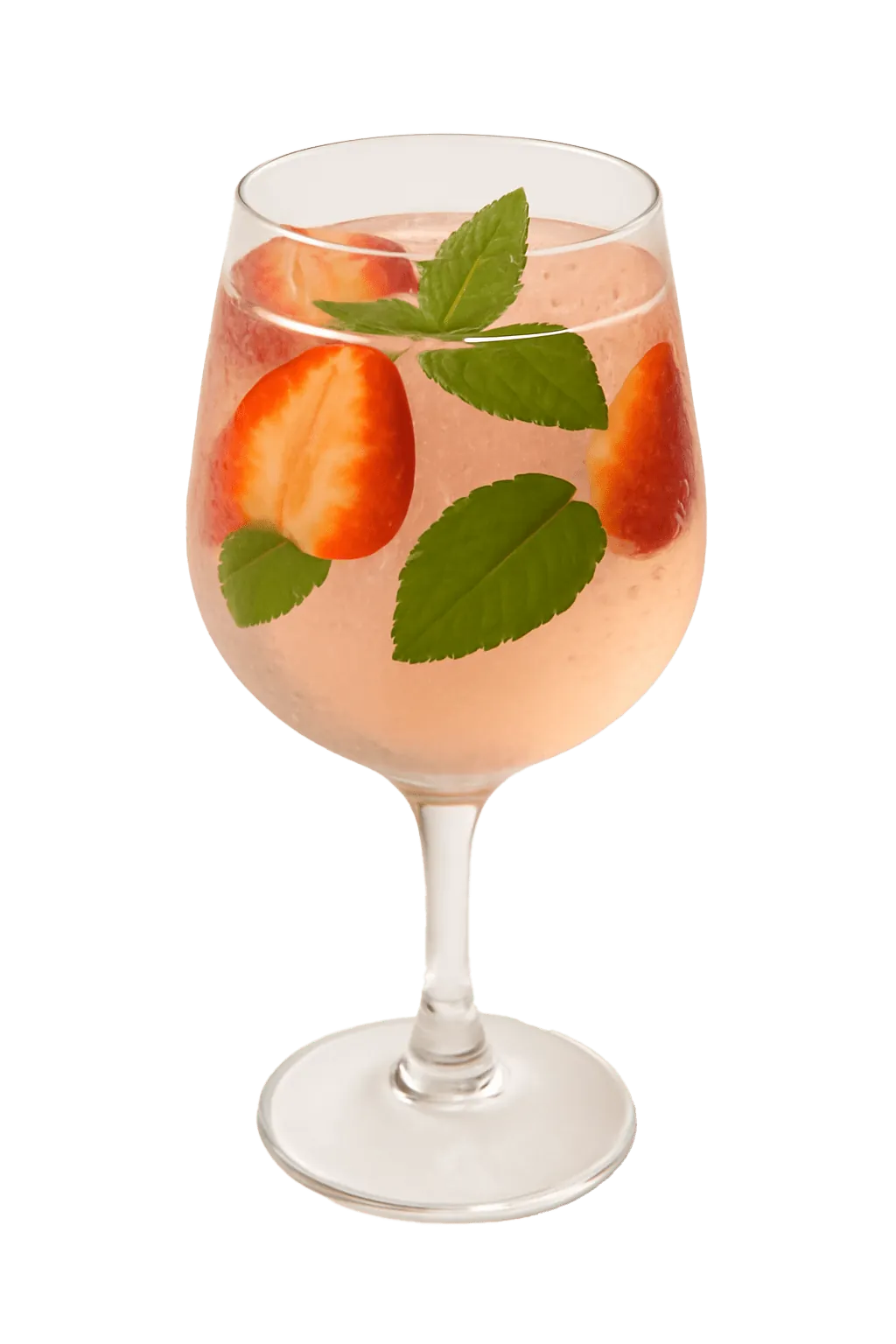
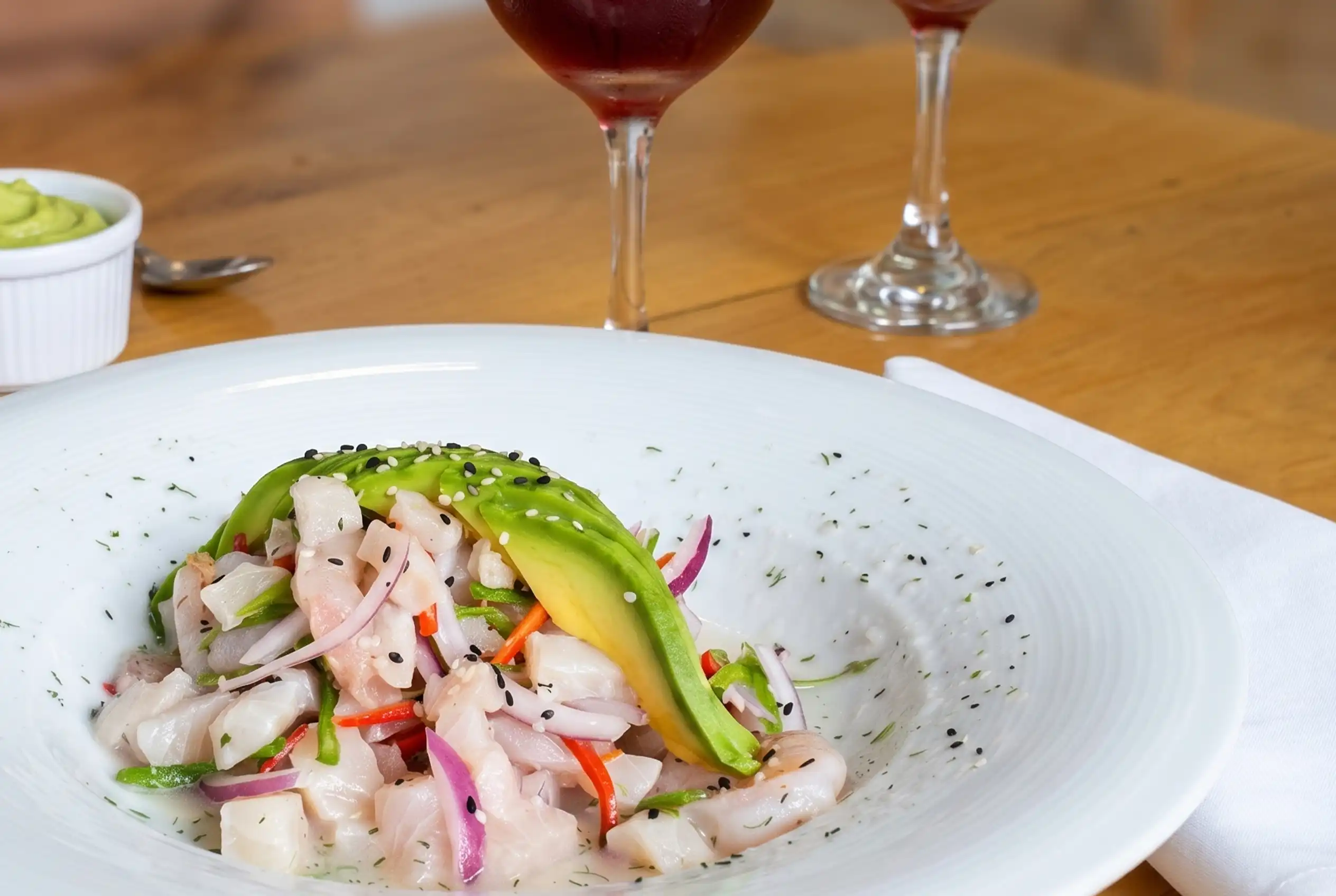
Colombia has its own ceviche. Peru as well. And while both are called the same and have seafood and lemon, they are different plates with different logic. To understand the difference isn’t culinary trivia: to understand why both of them know so different even if the ingredients look similar.
The Colombian ceviche: fresh, sweet with chili
The Colombian ceviche, especially that of the Caribbean coast, is prepared with seafood baked with lemon, with some tomato sauce, mayonnaise in many versions, onion and aji. The result’s fresh, something sweet and more creamy. It’s served cold, usually with a glass or a glass and eaten as an entrance or snack.
It’s a popular plate, deeply established, with its own identity. But it’s different from Peruvian ceviche in technique, in taste and in purpose.
Peruvian ceviche: acid, hot with tiger’s milk
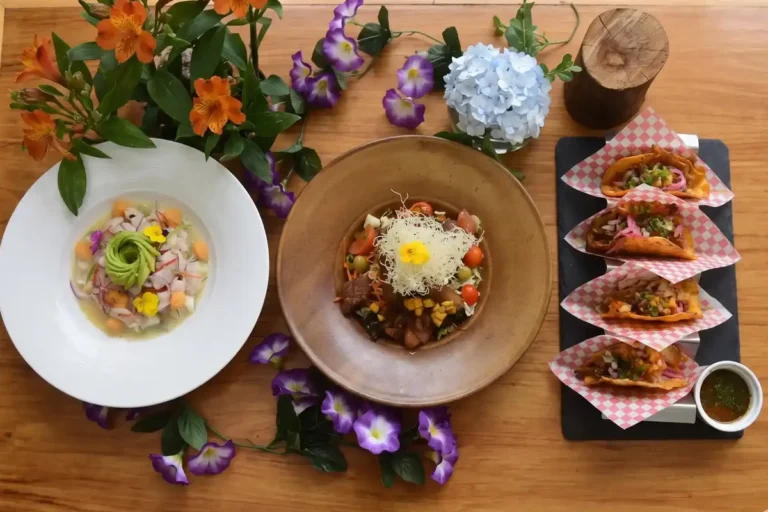
The Peruvian ceviche forms part of a different logic. Fish or seafood are marinated into acid lemon juice, that “cook” protein without heat. That’s what’s added to yellow and light ham and purple onion cut into a pen and cilantro and salt. The result is acid with an intense itching and freshness.
The tidal milk, which is the result of that marinade, is an integral part of the plate. In Peru, she takes herself as a reconstituent. His presence at his plate in Colombia was most surprising to those who first had his first time.
The Peruvian ceviche is fresh and freshly prepared. It’s hot and put up with nothing. That requires good quality ingredients and an up-to-date preparation.
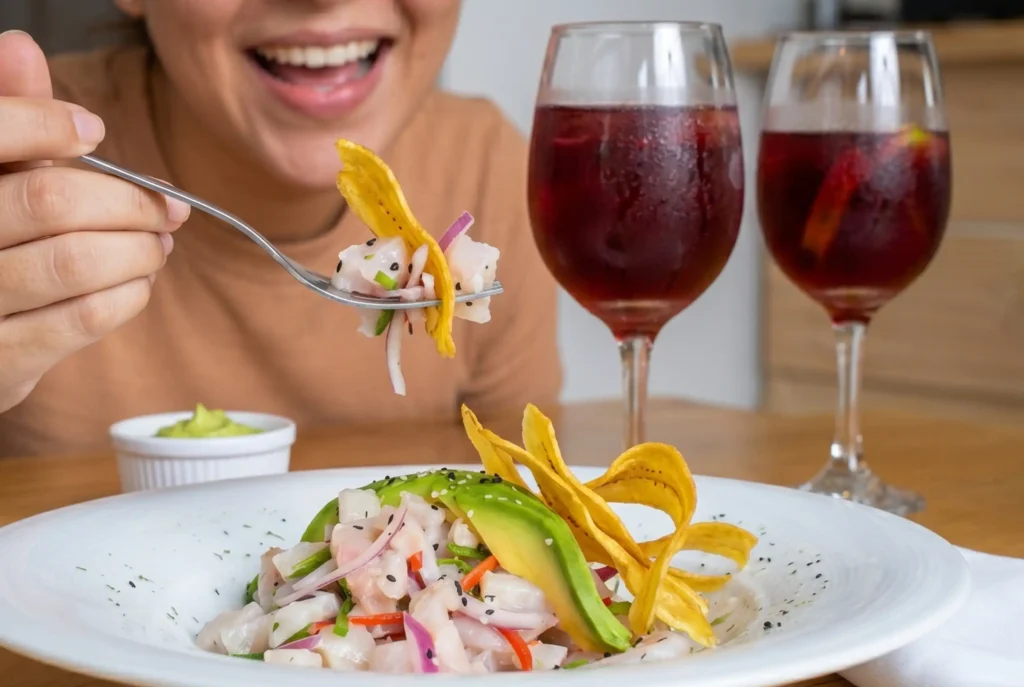
How ceviche is prepared at 3 Soles
The 3 Soles menu has three versions of ceviche: tilapia, shrimp and mixed. The three are prepared with Peruvian technique with the balance between acidity, itching and freshness that defines that style.
The tilapia is a fresh water fish with firm meat and soft flavour, that well absorbs the marinated without losing texture. The shrimp brings more body and an intense profile. The mixed combination combines both.
The restaurant is in Chia, at the Chia-Cota variant. For those who come from Bogotá, it’s a meeting place with Peruvian cuisine without the need to travel far.
If you wish to better understand the Peruvian proposal within the 3 Soles menu, in the article about tipda tima en Colombia There’s more context about how that kitchen’s been worked at the restaurant.
Why Peruvian ceviche’s worth trying if you only know Colombian
That’s no matter what’s best. They’re different plates with different moments. But if you only know Colombian ceviche, Peruvian can surprise you with:
- The most pronounced acidity of the lemon with no sweet as against it.
- The itching of the yellow bean, that’s different from that of other varieties.
- The texture of raw tiled fish, firmer than the baked.
- The tiger’s milk, that’s part of the plate and not just a residue.
It’s a different experience, not necessarily more difficult to enjoy. Just different.
If you have little time, ask for this.
For a complete Peruvian experience with 3 Soles:
- Input: Retirement
- Heavy plate: Fairy loin or chaifa
- Drink: Farms and their nuts and their nuts
- Without alcohol: Intipsis
Frequently Asked Questions
What’s the difference between Peruvian and Colombian ceviche?
The Colombian uses steamed seafood with tomato and mayonnaise sauce, and it’s more sweet and creamy. The Peruvian uses raw fish with an acid lemon with yellow and purple onion and more acid and spicy.
What’s tidal milk in Peruvian ceviche?
It’s the result of ceviche’s marinade: lemon, aji, onion and fish juices. In Peru, she’s been taken alone. At the plate, it’s part of the experience.
Do Peruvian ceviche have raw fish?
Yeah. The lemon “cooks” protein by means of acid denaturization, without heat. The result has a firm but different texture from the cooked fish.
Where to try Peruvian ceviche at Chia?
3 Soles restaurant has tilapia cevichave, shrimp and mixed with its menu. It’s at the Chia-Cota variant, 25-40 minutes from the north of Bogotá.
Is Peruvian ceviche very hot?
It has yellow bean, with a moderate and fruit itching. It’s not an intense spicy but it’s more important than ceviche Colombia.
The Peruvian ceviche is one of those plates that get better at eating them than reading about them.
If you have a few questions before you come, Write us here and we’ll be glad to have you.