The word fusion is used a lot and little information about it. In gastronomy, it can mean something quite different: from an untiptititised combination to a proposal built with a real knowledge of the traditions that are mixed. In this article we explain what we understand by Latin American fusion at 3 Soles and why the menu is built as it is.
What’s a fusion kitchen mean
The fusion kitchen is the combination of techniques, ingredients or traditions of two or more culinary cultures on a single plate or menu. It’s not a new trend: practically all Latin American cuisine is the result of centuries of fusion between indigenous, European and African cuisine.
What today’s called fusion is, in many cases, a more conscious version of something that has always happened: cultures that intersect and produce something new that did not exist in either of them separately.
What makes a fusion work
Not every fusion’s good. What differentiates a consistent proposal from a senseless mix is knowledge of the traditions of origin.
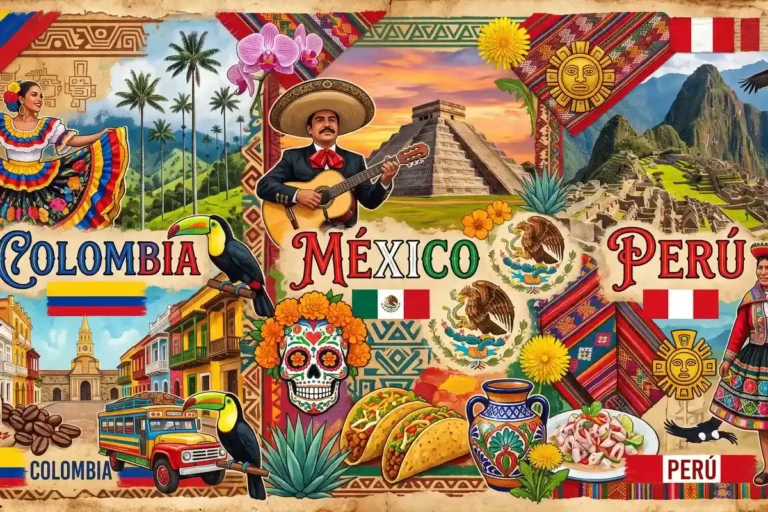
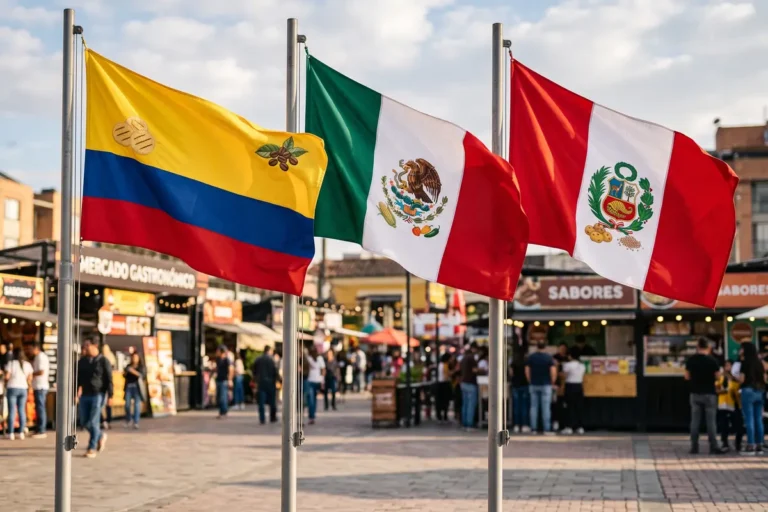
To merge well Colombian, Mexican and Peruvian cuisine, we have to first understand what it does to each and every one what it’s about: its basic ingredients, its cooking techniques, its taste profiles and its combination logic. It’s only from that knowledge that something can be built that has its own identity without losing its thread with its roots.
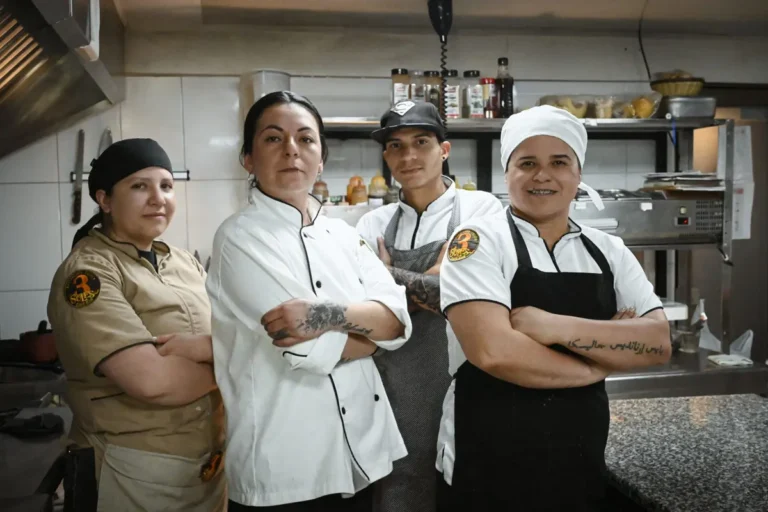
The 3 Stoves of 3 Soles
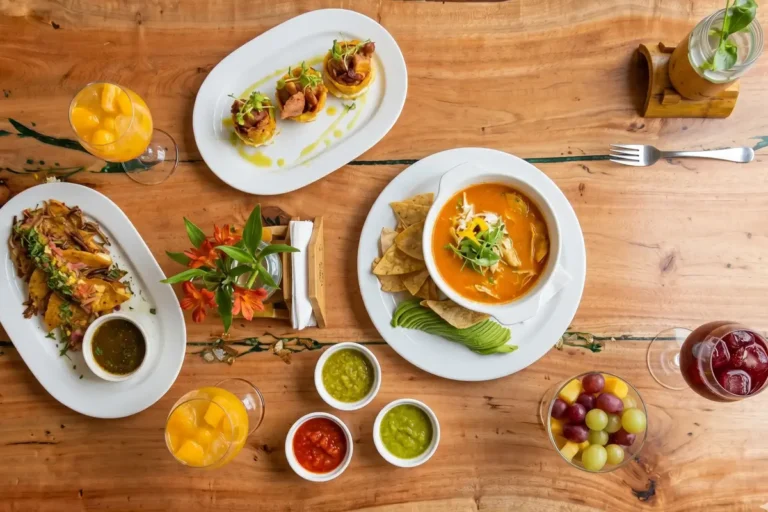
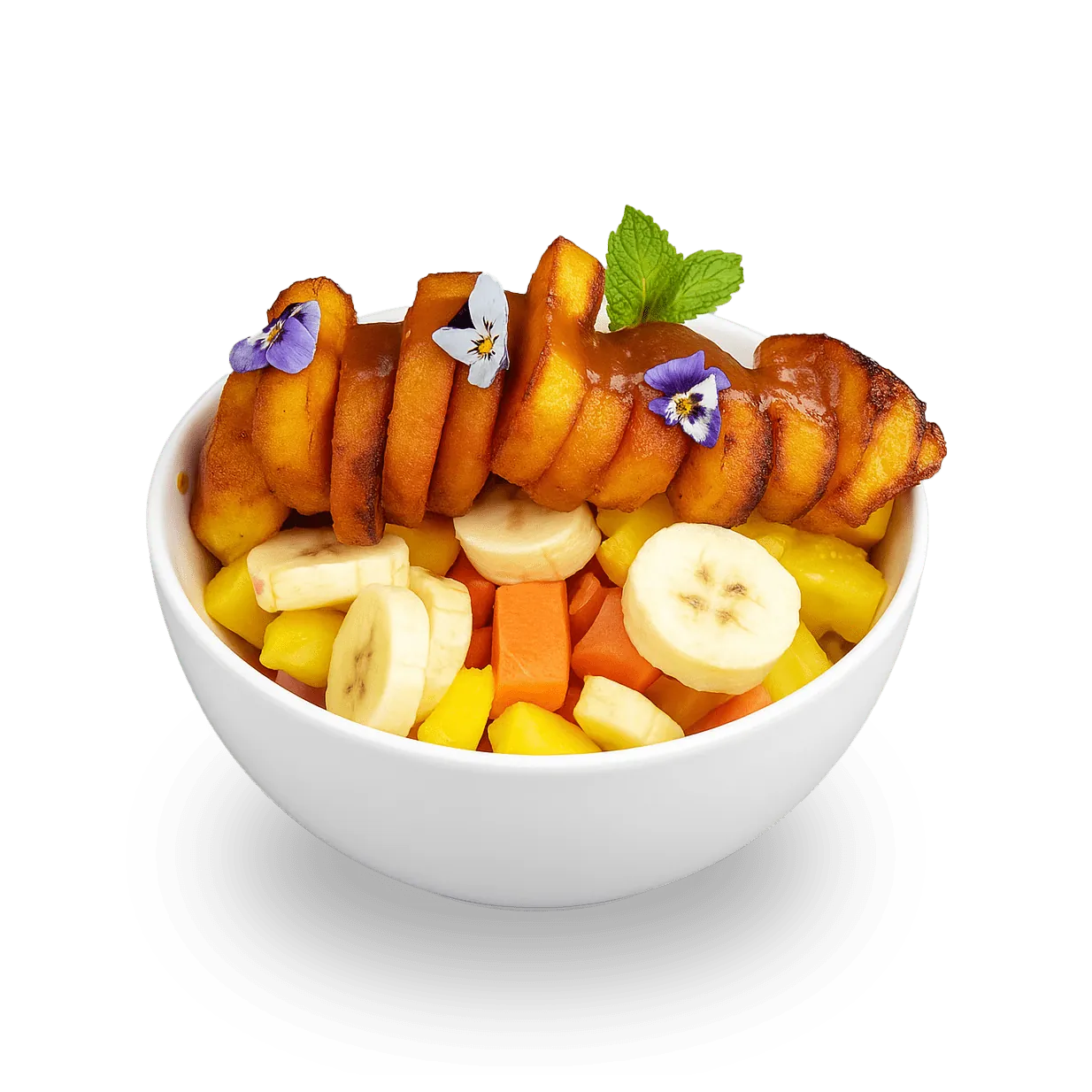
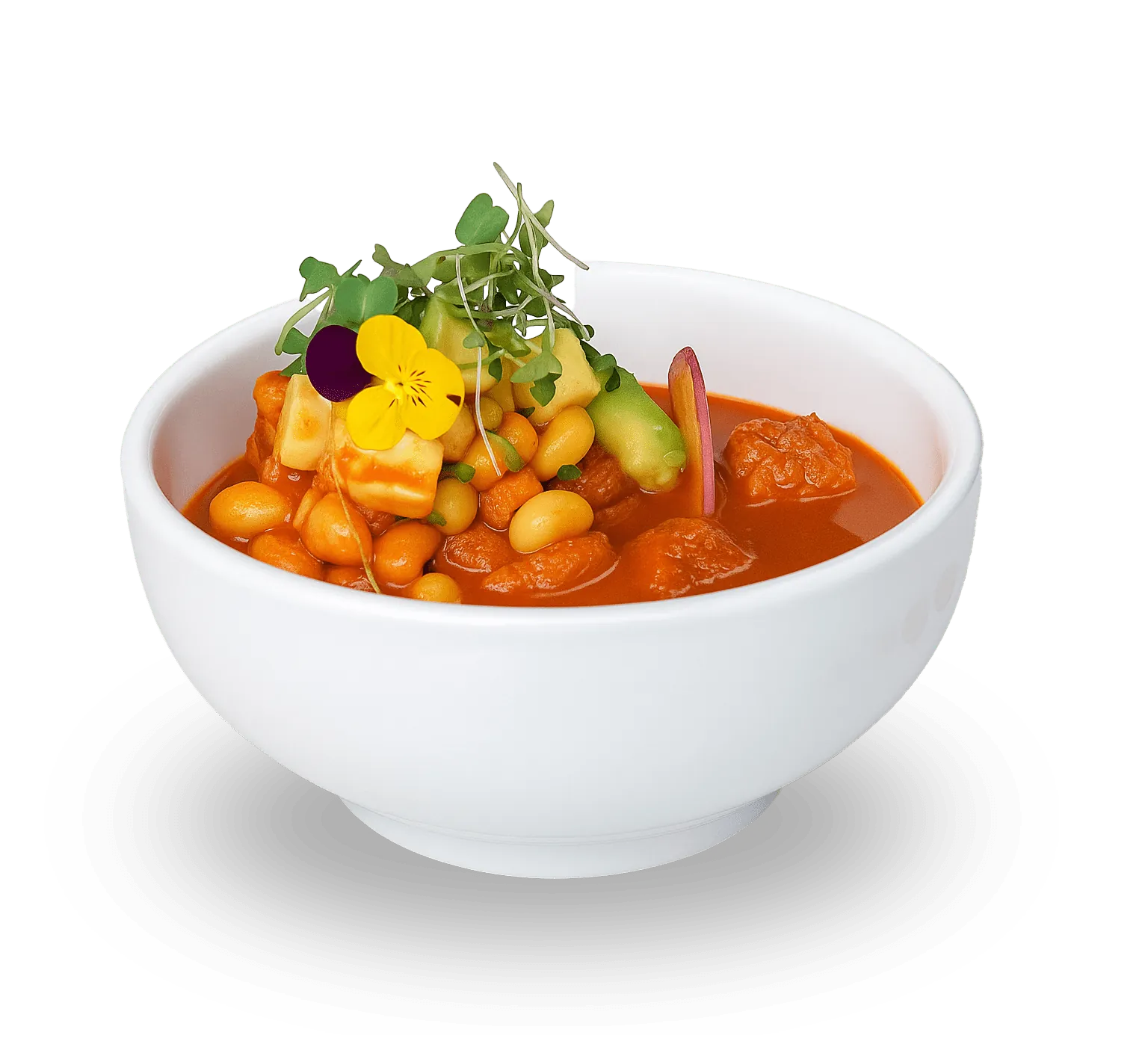
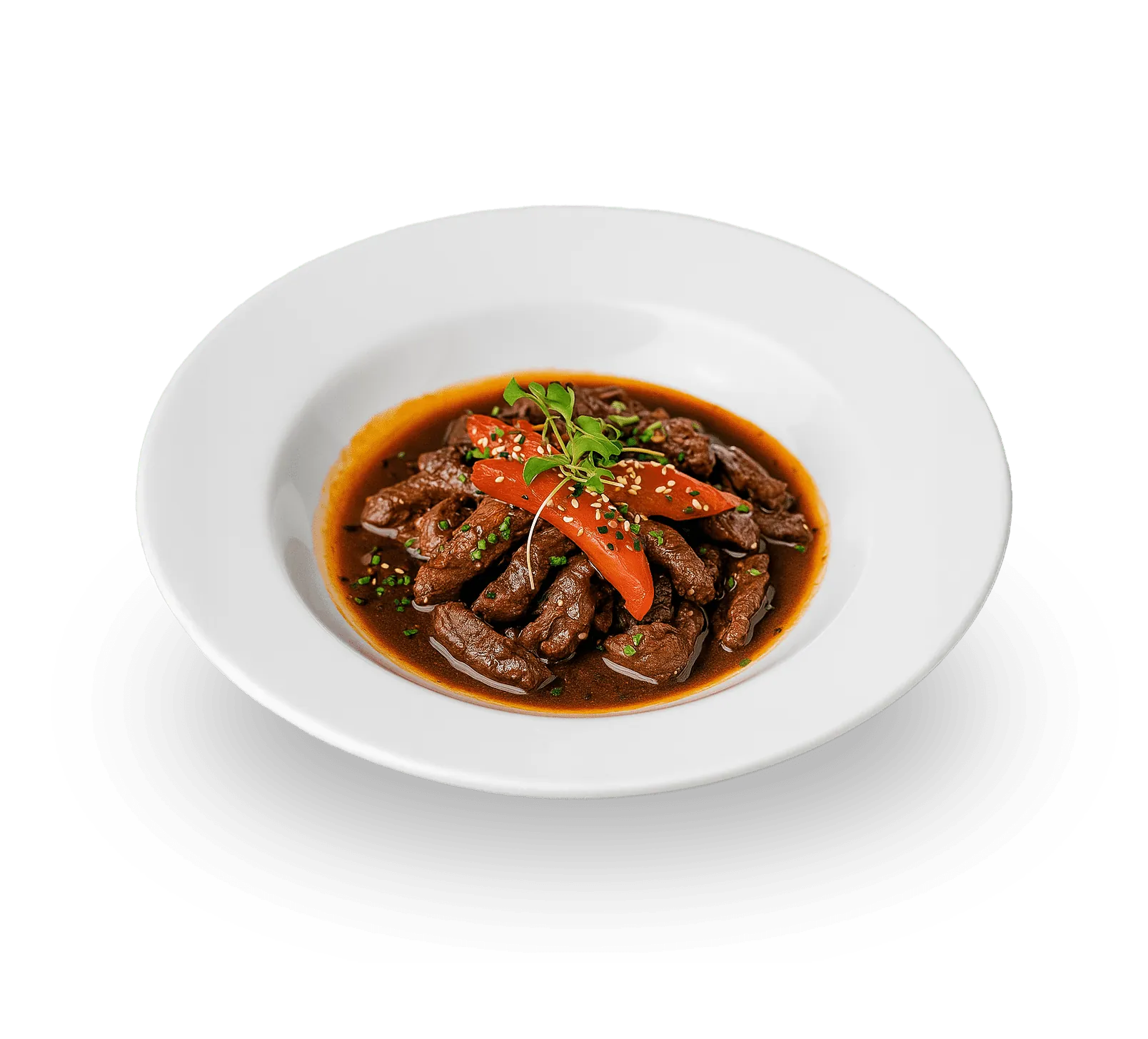
- Colombian cuisine. One of the most diverse of the continent with marked differences between coast, high and flat. The 3 Soles menu appears in preparations such as the Ajiac, the steak to the horse, the bonus in cruba sauce and the hot brunch. Ingredients such as the Creole Potato, the Banana, the Ducha and the Cuuba are part of the Colombian menu profile.
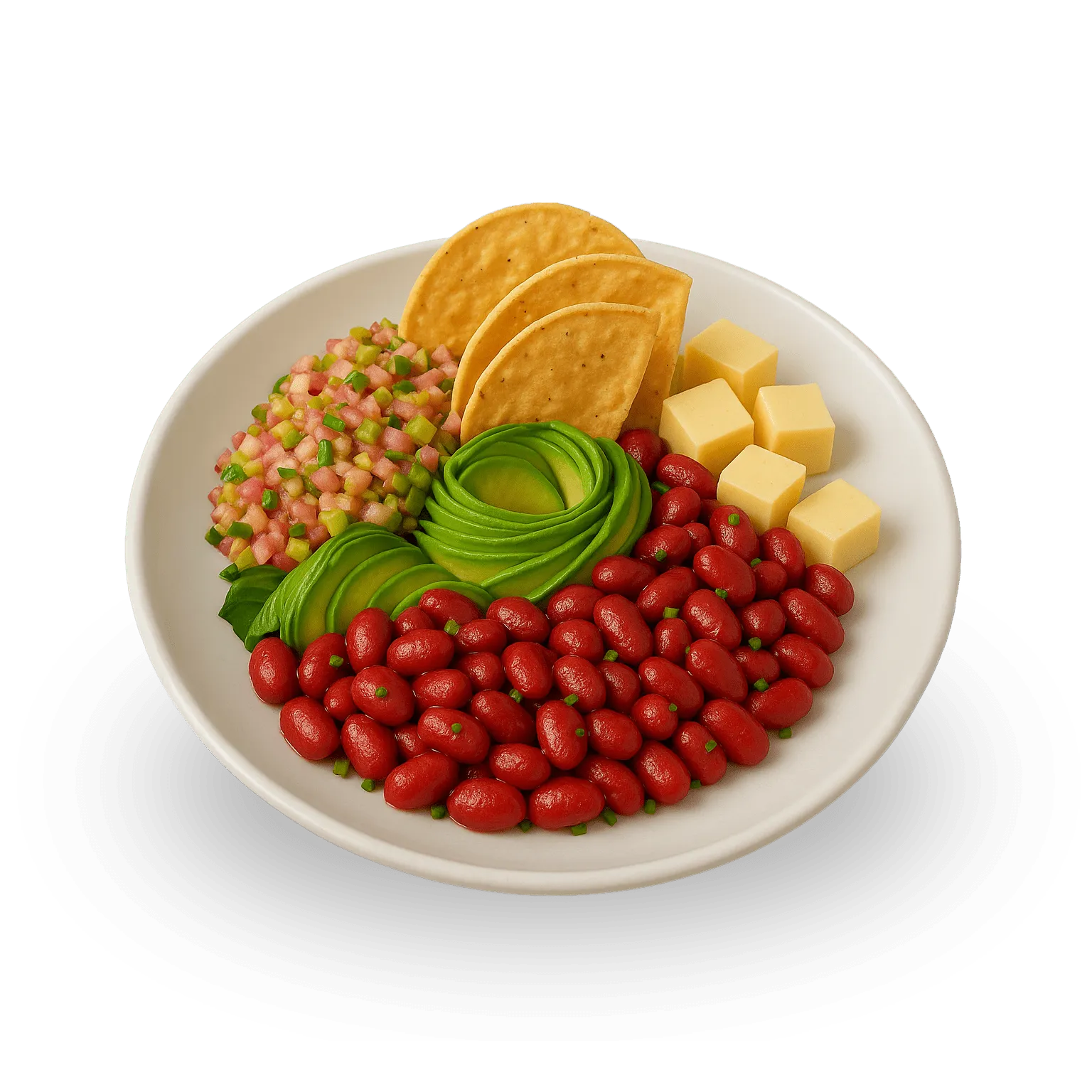
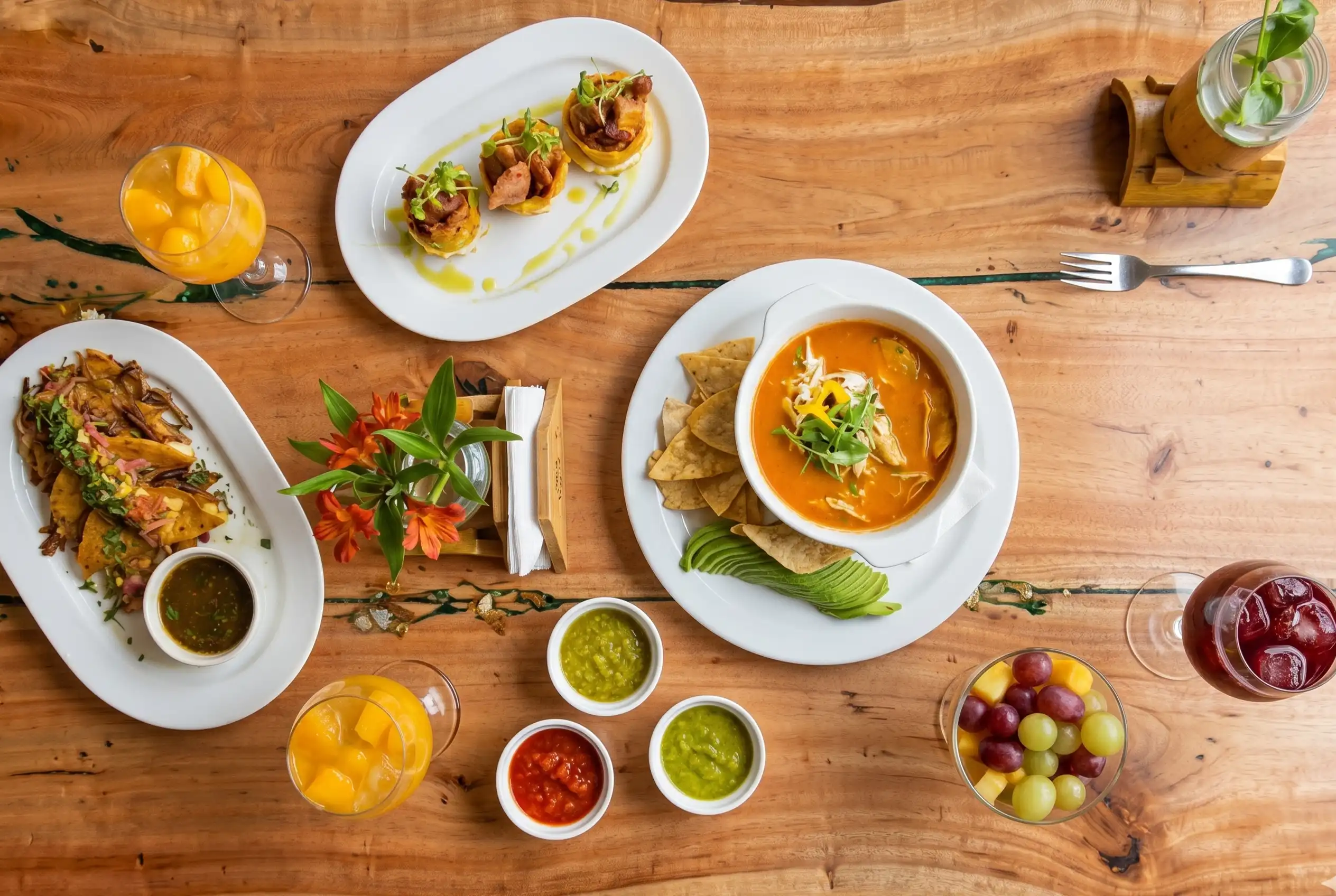
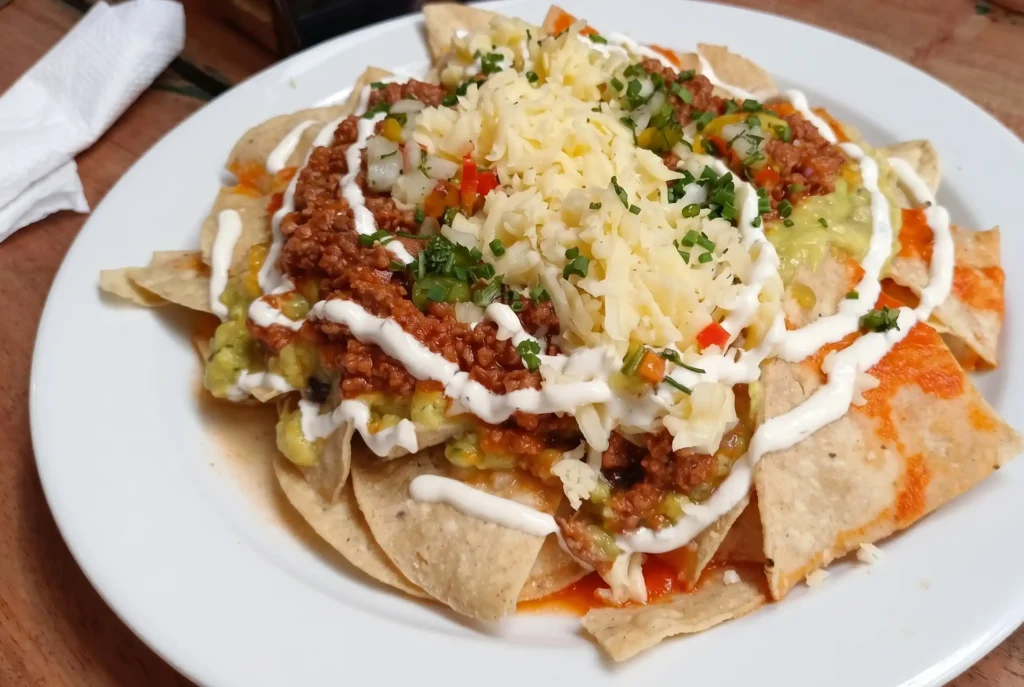
- Mexican cuisine. One of the most complex technologies in the world with techniques such as nixtamal, sauces that require hours of production and a tradition of chilies that few countries have. In 3 Soles appears in birria tacos, the village mole, cheesadillas, nachos and bune ranch eggs. The use of chili, maize and green tomato defines that part of the menu.
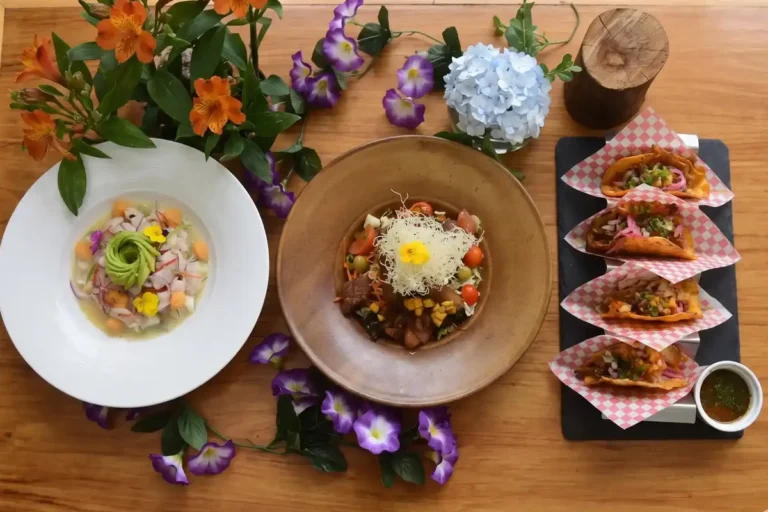
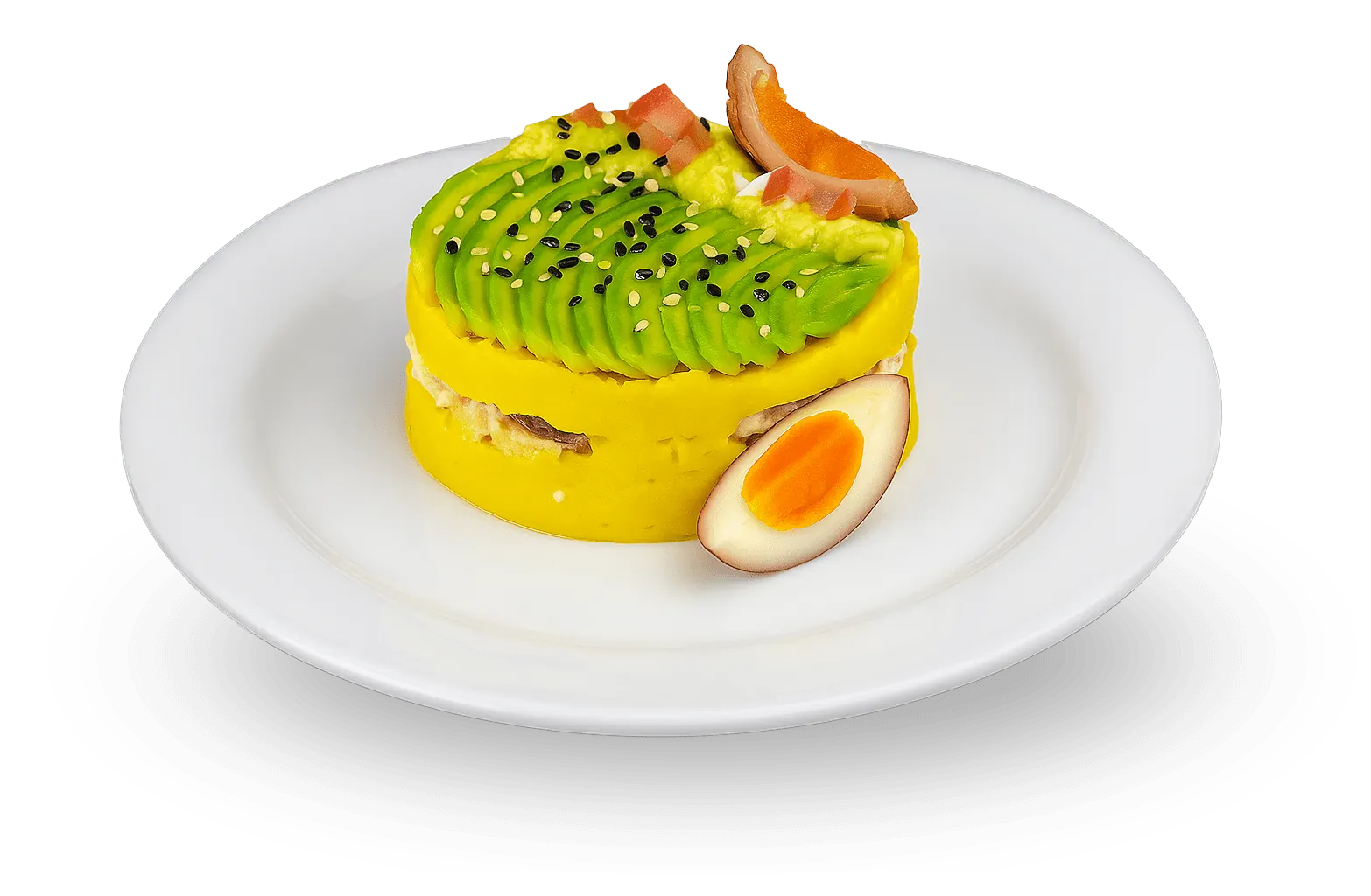
- Peruvian cuisine. Recognized internationally for its diversity and technical. 3 Sole appears in ceviches, pitted loin, chaifa rice, light cause, Tataki ponzu camu camu and pisco sour. The influence of Japanese and Chinese within Peruvian cuisine, known as nikkei and chifa respectively, can be found in several of these plates.
How to build 3 Soles menu
The menu does not mix the 3 kitchens at each plate. He respects them separately and puts them to live with them in the same letter. That means that a Peruvian ceviche is a Peruvian ceviche, and that it’s a ceviche with Mexican ingredients. And a birdie taco remains Mexican, and we’re not Colombian.
The fusion occurs in the experience of the table: the possibility of asking from the three kitchens at the same lunch, that they have flavors that normally aren’t together and to discover what best they have been expecting.
To see how these plates are expressed in the context of the restaurant, in the article about birria in Colombia there’s a detailed explanation of one of the most ordered plates on the menu.
What to expect if you go first
If you have never had lunch at a Latin American fusion restaurant, there are some things that help you understand the experience:
- The menu’s got a lot. It’s not necessary to prove everything at a visit. The best strategy is to choose an entrance to the kitchen that you least know and a strong plate that most appeals to you.
- The plates can be shared. Many tickets and some strong plates work well for the centre of the table. That’s how we can have more with less.
- That’s an order. To start with something fresh as a ceviche or a cause, to continue with a plate with more body as a leapt or a mole, and to close with something from the bar has a logic that makes the experience flow.
If you have little time, ask for this.
One entrance to each kitchen:
- Colombian: Spanish and Spanish basket
- Mexican: birria or nachos’s appurits
- Peruvian: tilapia ceviche or 3 Soles cause
A strong plate to explore:
- Barley tacos (Mexican)
- Retirement loom (Peruvian)
- Bondiola in cruba sauce (Colombian)
To the bar:
- Fisco sour (Peruvian)
- Chilean (Peruvian)
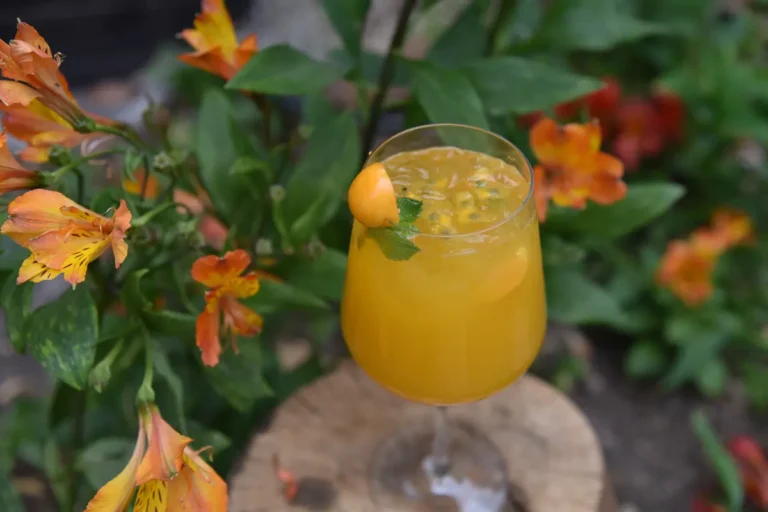
- Gin tónica de lulo (Colombia-Peruvian)
Frequently Asked Questions
What’s Latin American fusion cuisine?
It’s a conscious combination of techniques and ingredients from different Latin American culinary traditions. In the case of 3 Soles, the fusion brings together Colombian, Mexican and Peruvian cuisine on a single menu.
Do we have a fusion that means that the plates mix all three kitchens?
Not necessarily. At 3 Soles each plate keeps its original identity. The fusion occurs in the experience of the table, and not within each plate.
What’s the difference between Peruvian and Colombian cuisine?
The Peruvian figure is characterized by the use of yellow hyddddddg, chifa and nikkei influence and techniques such as ceviche and high-fire paddle. The Colombian figure varies by region with a strong base in tubers, meat and cooked. The flavour profiles are different but complementary.
Is Mexican food at 3 Soles true?
The menu uses preparations and techniques that are typical of Mexican cuisine: corn mass, mole with chilies, and beeswax. It’s tex-mex and no local palate-adapted versions without criterion.
Where’s 3 Soles Restaurant?
In the variant Chia-Cota, Cundinamarca, 25-40 minutes from the north of Bogotá.
Fusing cuisine isn’t complicated to understand when it’s best explained. And you understand better even when you try them.
If you have any questions about the menu or you want to make a reservation, Write us here and we’ll be glad to have you.