Peruvian cuisine today is one of the most widely recognized cuisine in the world. That recognition did not come from night to morning but was the result of centuries of blend, migration and silent work that turned an extraordinary geography into an unparalleled pantry.
That kitchen came late but did come well. And in recent years she has found them in cities such as Bogotá and municipalities as Chia an audience ready to discover them.
The origins: a geography that explain everything
To understand Peruvian cuisine begins with understanding the territory. Peru has coast, saw and jungle in a relatively compact space. That means simultaneous access to Pacific fresh fish, high tubers as the potato and the oca and to fruit and spices from the Amazon.
That diversity of ingredients, that few gastronomy have in the world, is the material basis on which everything else was built.
The preColumbian cuisine: the potato, the corn and the aji
Before the arrival of the Spanish, Andean cuisine had its own sophistication. The pope, originally from the Andes, existed in hundreds of varieties. Cornstarch was the basis of diet and also of ritual beverages as a chicha. The hybii, in its many varieties, was the element that gave character to each preparation.
The maintenance techniques were advanced as well: the pate, dehydrated by exposure to cold and sun, allowed food to be stored for years. That logic of using the ingredient remains present in contemporary Peruvian cuisine.
The arrival of Spain and Africa: the first great fusion
The Spanish conquest brought new ingredients: citrus, onion, garlic, pork and re. He also brought African slaves, who came with his own culinary traditions and especially affected the seaside cuisine.
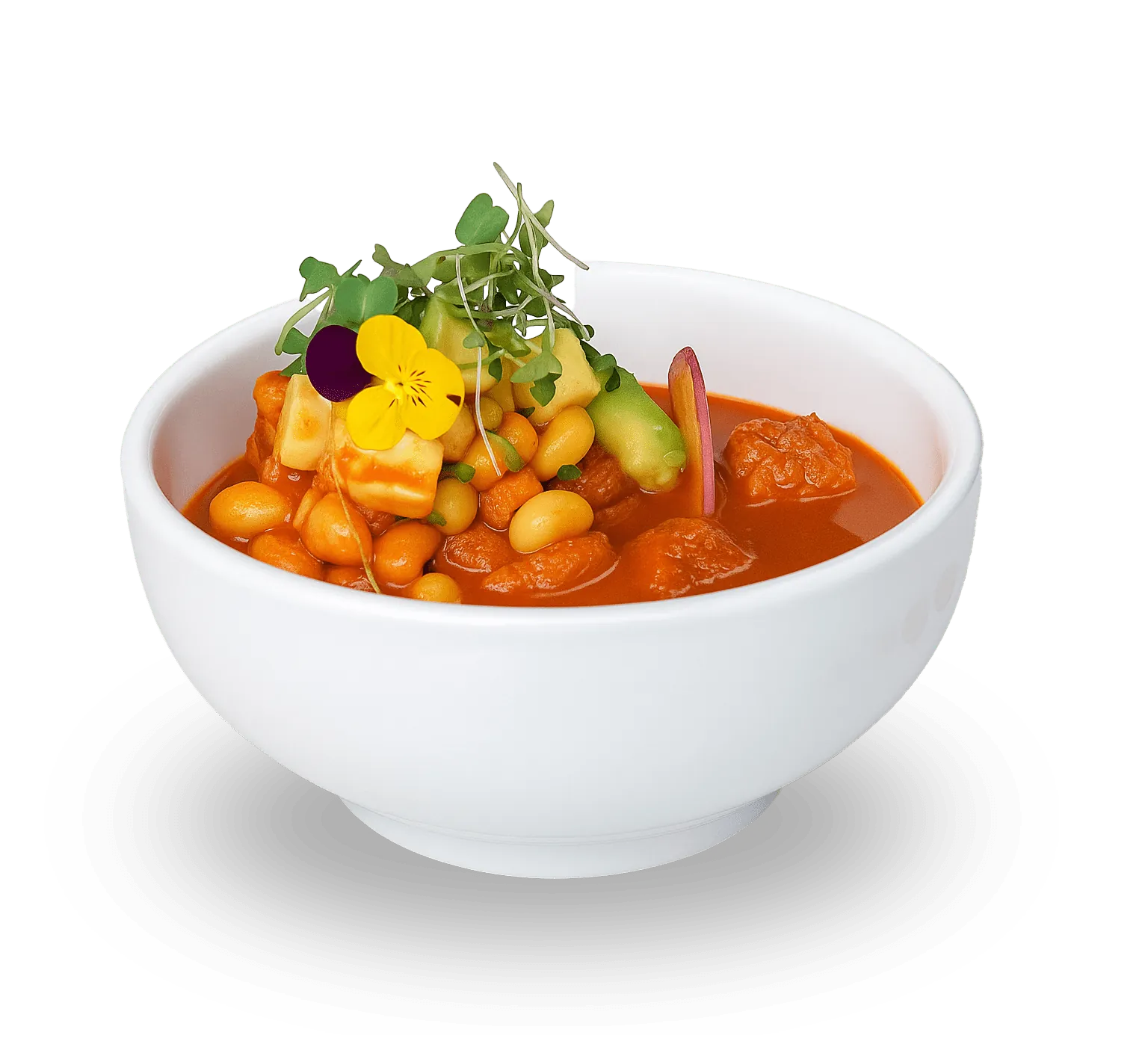
The combination of these three worlds, Andean, Spanish and African, resulted in the first great fusion of Peruvian cuisine. Dishes such as carapulcra, dry or old age have that mixed origin.
Chinese and Japanese Immigration: Chifa and Nikkei
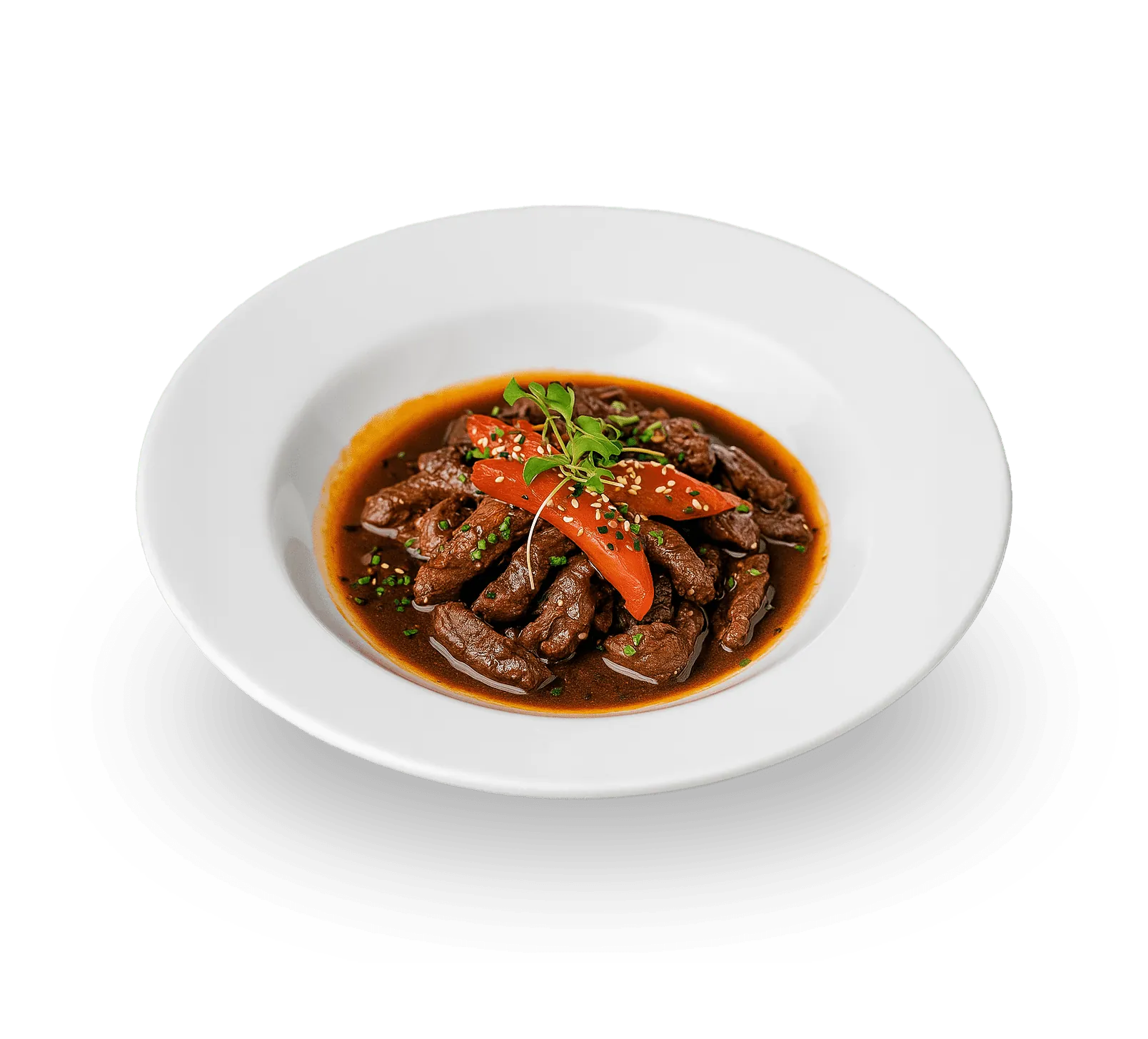
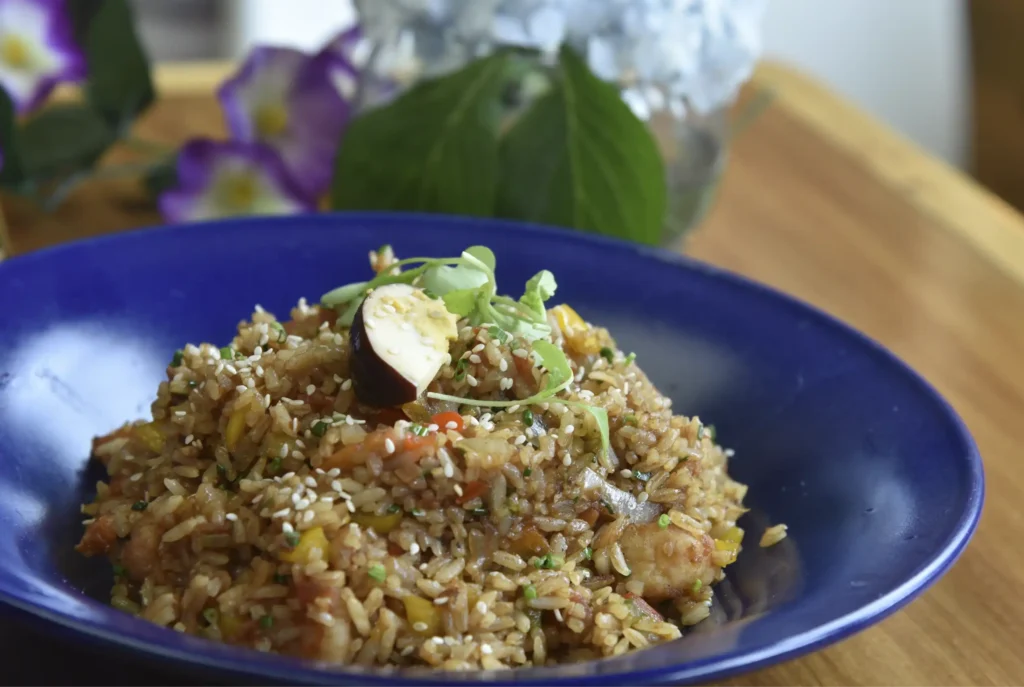
In the 19th century Cantonese Chinese immigrants came to work at coastal farms. They brought his kitchen, his high-fire frying techniques, his soya, his wok. Fusing with local ingredients was born chifa cuisine, from which pitted loin and chaifa rice are best known examples.
At the end of the same century, Japanese immigrants came and brought about the precision of cutting and valuation of raw fish and techniques that would eventually influence ceviche and nikkei cuisine. The tiramite, for example, is a plate of Japanese-Peruvian origin.
How Peruvian cuisine came to Colombia
The arrival of Peruvian cuisine to Colombia was gradual. First came the ingredients: the yellow hype, the pisco and the pisco. The plates followed: the Peruvian ceviche began to appear as an alternative to the Colombian ceviche at menus of restaurants in Bogotá.
The last decade with the growth of food tourism and the international visibility of Peruvian chefs, this presence became more and more common. Today there are restaurants in Bogotá and in municipalities of la Sabana that work Peruvian cuisine with serious care.
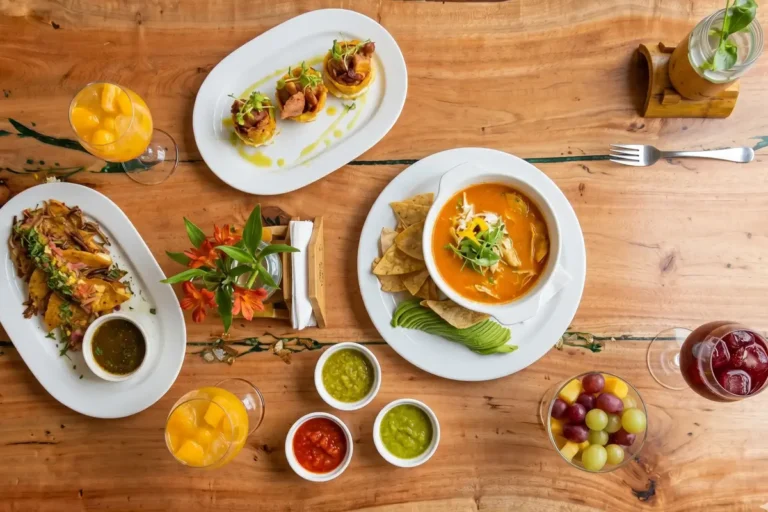
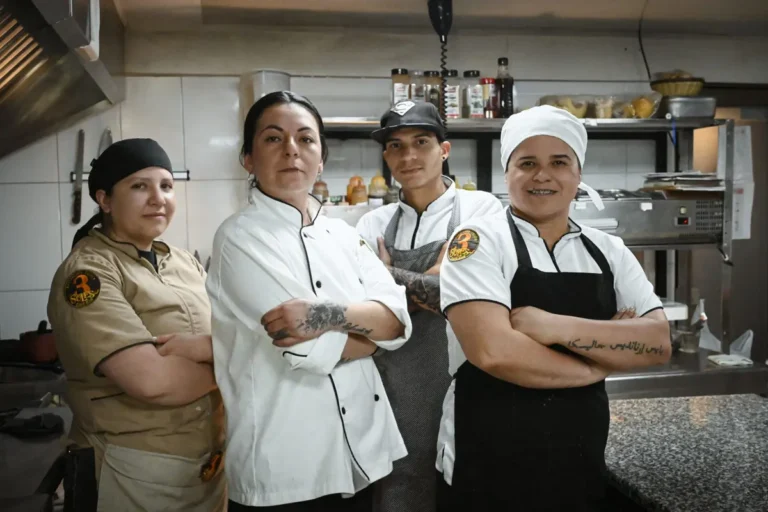
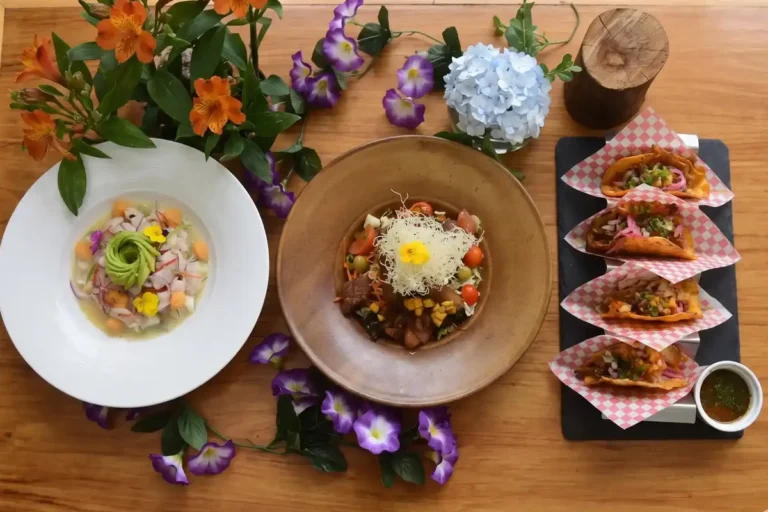
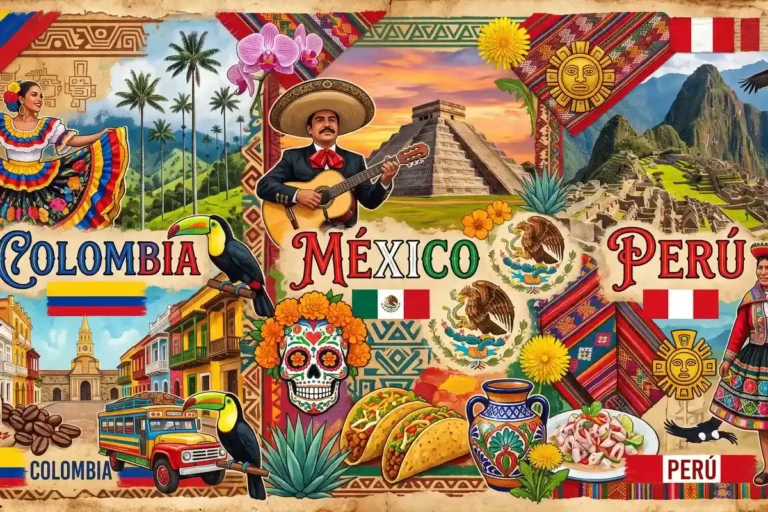
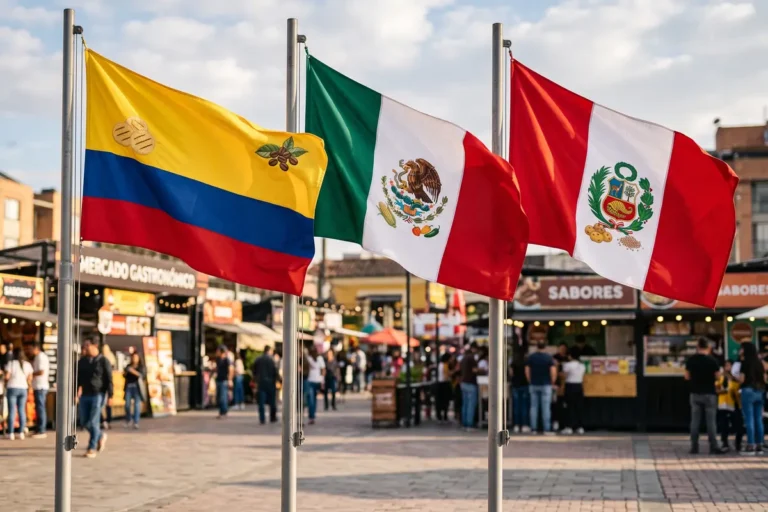
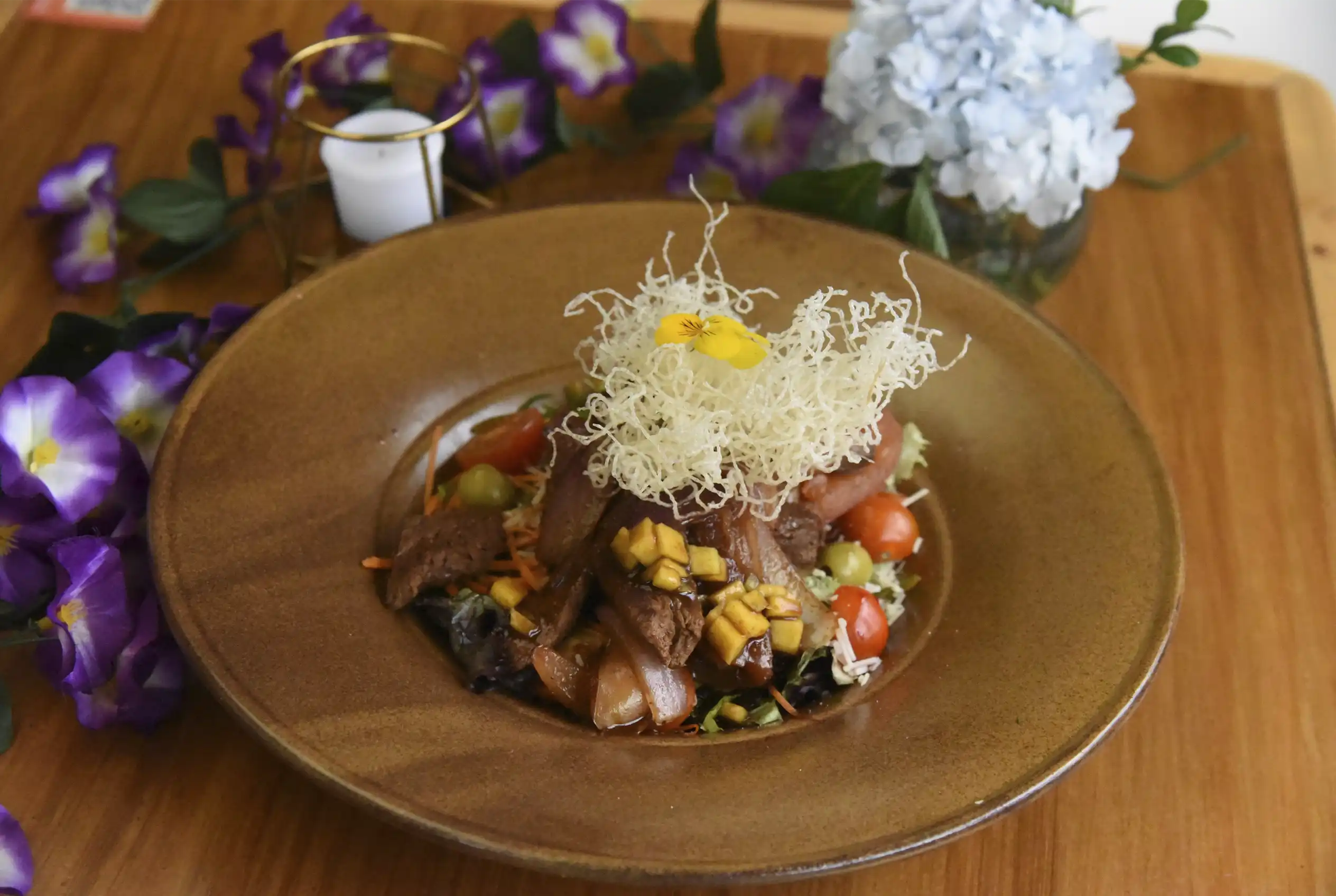
In 3 Soles, that kitchen appears on the menu with the Colombian and Mexican: ceviches, padded loins, chaifa rice, light and Tataki with ponce and cocktails such as the pisco sour and the chilcan. To those who wish to know about this tradition without leaving the Sabana, the article about pomegranate in Chia explain one of his most representative plates.
Why Peruvian cuisine keeps growing
Peruvian cuisine has something that few gastronomy can offer: historic depth, diversity of ingredients and a fusion capacity that has been without lost. Each plate tells something about where it came from and why it became what it’s about.
That’s a more fashionable interest. People do not come back to the Peruvian ceviche or to the pitted loin because they are with a tendency: they come back because the taste has something they did not find anywhere else.
If you have little time, ask for this.
For a complete Peruvian experience with 3 Soles:
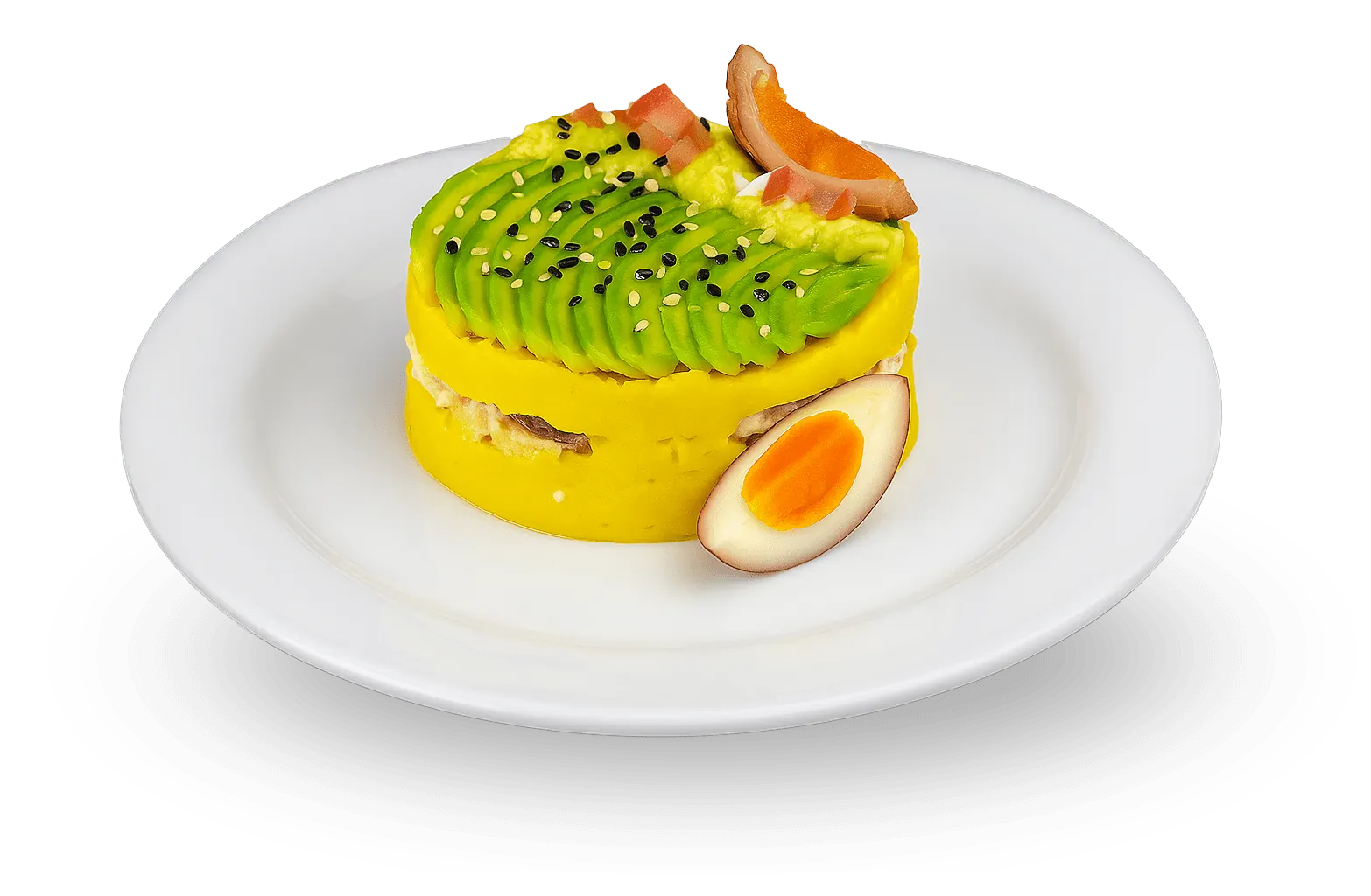
- Input: Kale or cause 3 Sole
- Heavy plate: Fairy loin or chaifa
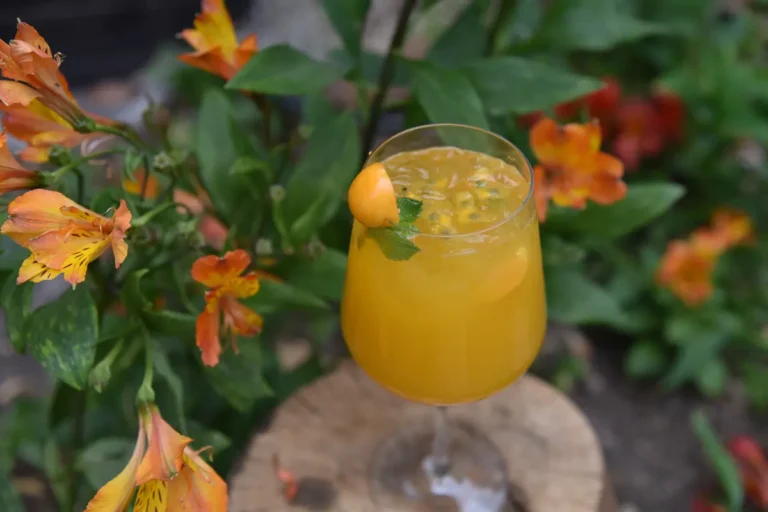
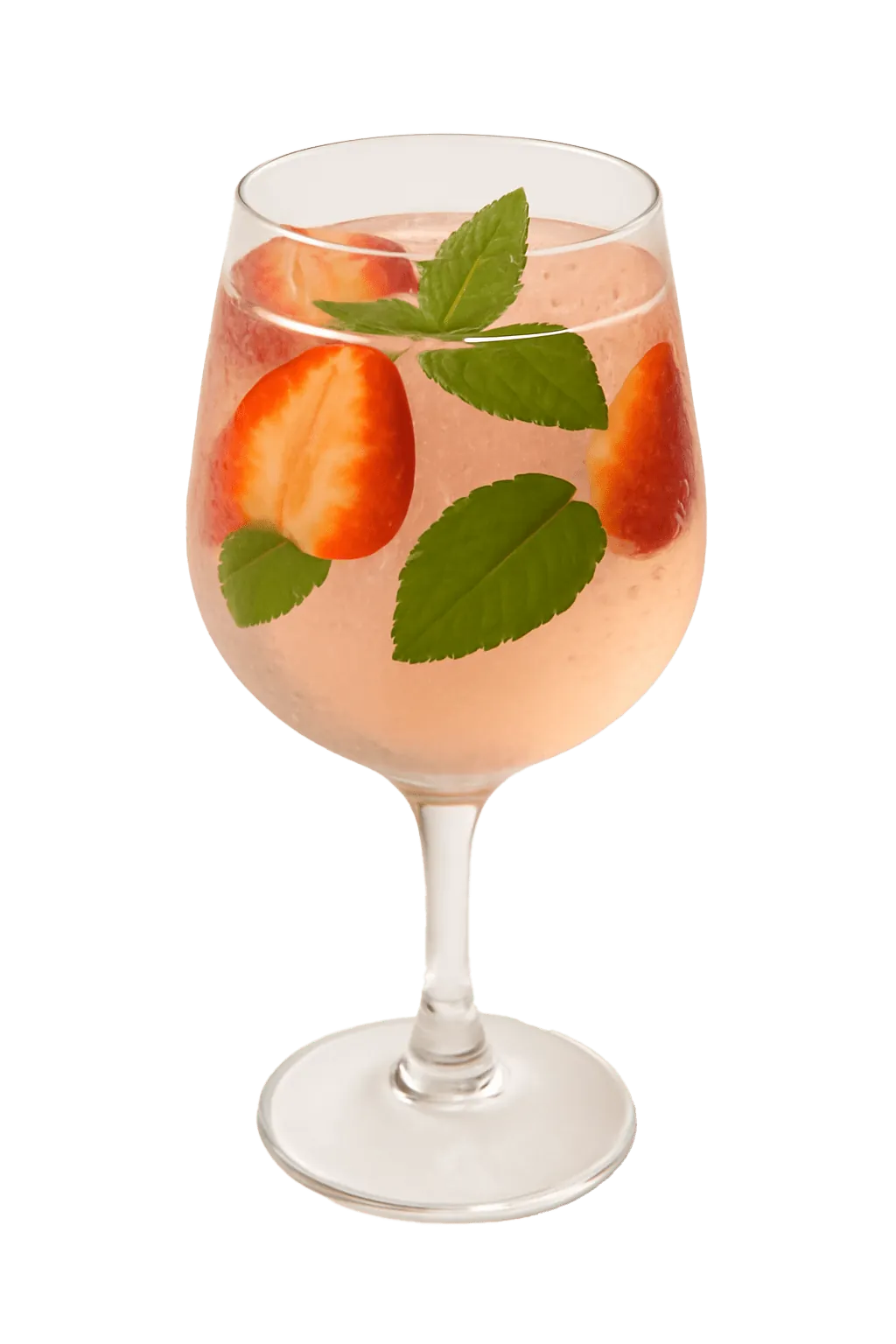
- Drink: Plastic and organic products
- Without alcohol: Intipsis
Frequently Asked Questions
Why is Peruvian cuisine so internationally recognized?
Due to its diversity of ingredients (coast, saw and jungle), its history of fusion with Spanish, African, Chinese and Japanese kitchens and its ability to innovate without losing its identity. It’s one of the most layers of meaning in the world.
What’s the little kitchen?
It’s the fusion of Peruvian cuisine with Cantonese Chinese cuisine, developed by Chinese immigrants in Peru since the 19th century. The pitted loin and chaifa rice are his best known plates.
What’s the nikkei cuisine?
It’s the fusion of Peruvian and Japanese cuisine, developed by Japanese immigrants in Peru. It’s characterized by tidal tidal accuracy, raw fish and techniques as tiramite.
Where to try Peruvian cuisine at Chia?
3 Soles Restaurant has ceviches, pitted loin, chaifa rice, and light and Peruvian cocktails on its menu. It’s at the Chia-Cota variant, 25-40 minutes from the north of Bogotá.
The Peruvian ceviche and the Colombian are the same?
No. The Colombian uses steamed seafood with tomato sauce. The Peruvian uses raw fish with an acid lemon with yellow and purple onion. They are different plates in technique and taste.
Peruvian cuisine came to Colombia to stay. And every well-made plate is an additional reason to understand why. If you have a few questions before you come, Write us here and we’ll be glad to have you.