

Jalapeño is more than heat. Beef tenderloin in a Mexican jalapeño sauce at 3 Soles in Chía, and how the chile is used.
Jalapeño is one of the best-known chiles in the world and also one of the most misunderstood. In Colombia it often stands for generic heat, reduced to a jarred condiment or a pizza topping. What it can do in a well-made sauce over a good cut of beef is something else entirely.
At 3 Soles in Chía, beef tenderloin in jalapeño sauce is one of the beef mains on the menu, where Mexican cooking meets Colombian beef. Worth understanding before you order it.
What jalapeño brings to a sauce
Jalapeño is a green chile from Mexico, a variety of Capsicum annuum, with moderate heat. What sets it apart isn’t only the heat but the flavor: green and slightly smoky when toasted or roasted, with a freshness other chiles lack.
Mexican cooks use it fresh, pickled, roasted and as the base for sauces. A sauce built on roasted jalapeño is more complex than hot. It has depth and character, enough to turn a cut of beef into a dish with its own identity. That is the difference between using jalapeño as a condiment and making it the point of the dish.
How we serve it at 3 Soles
It comes two ways.
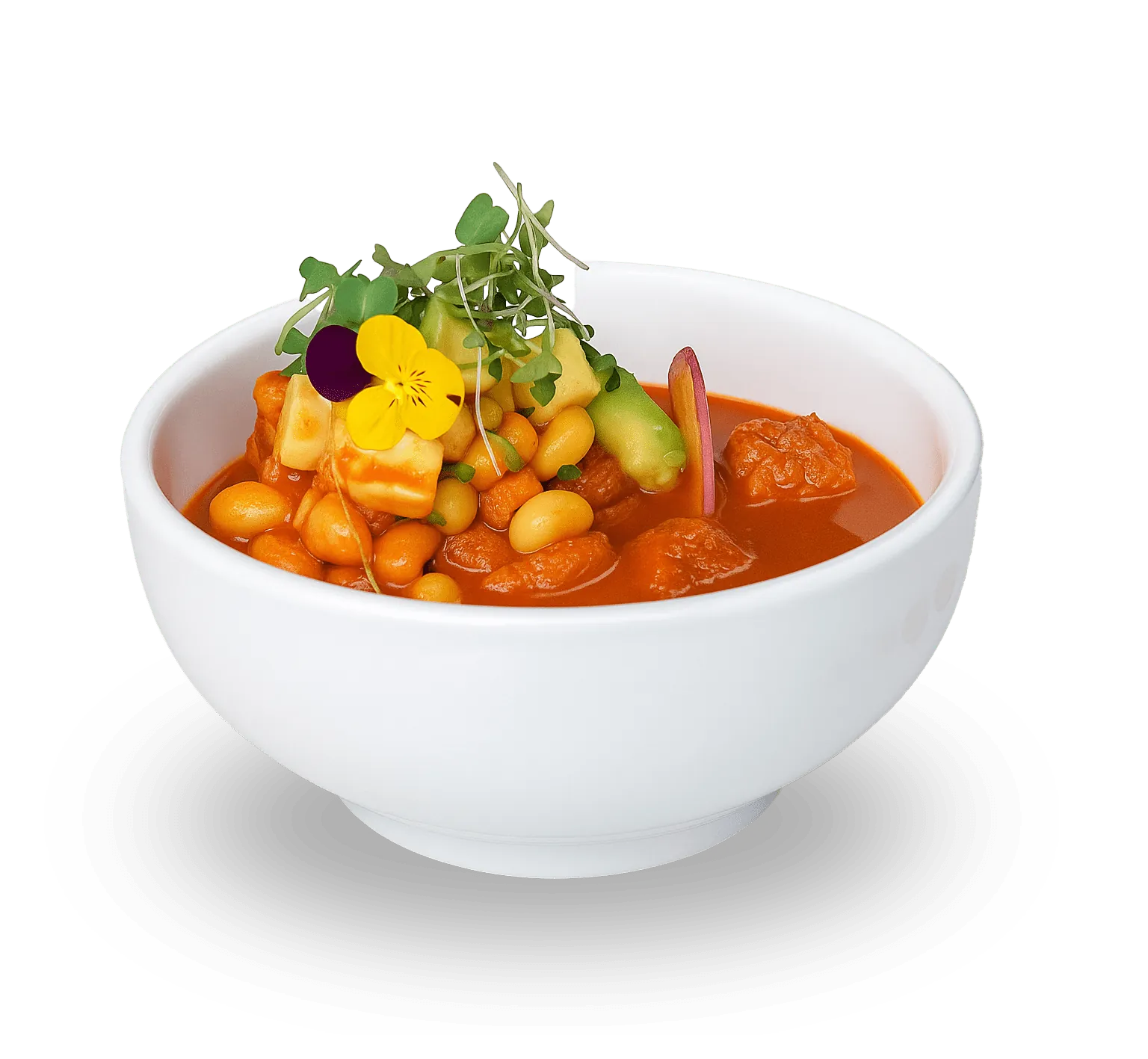
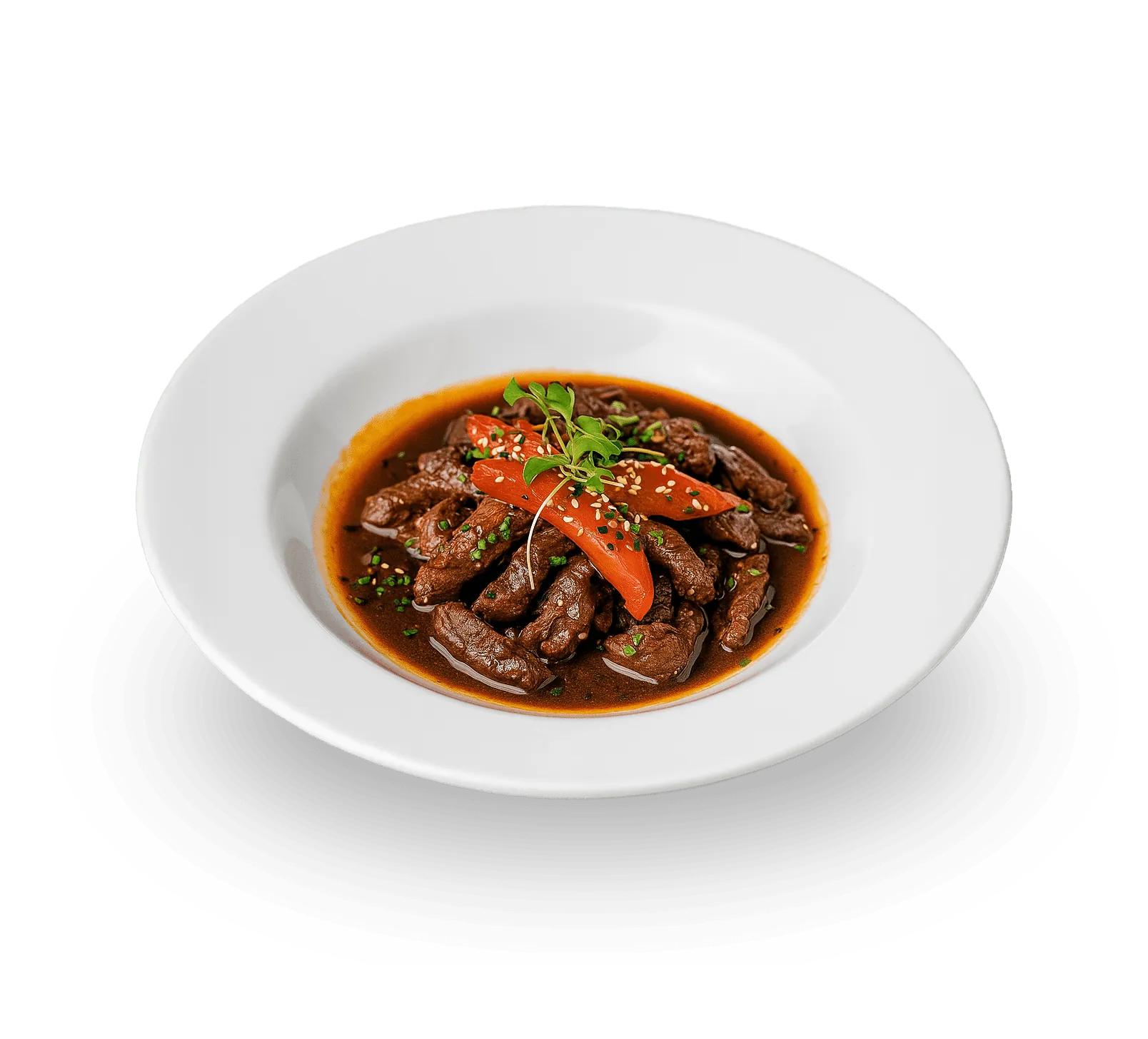
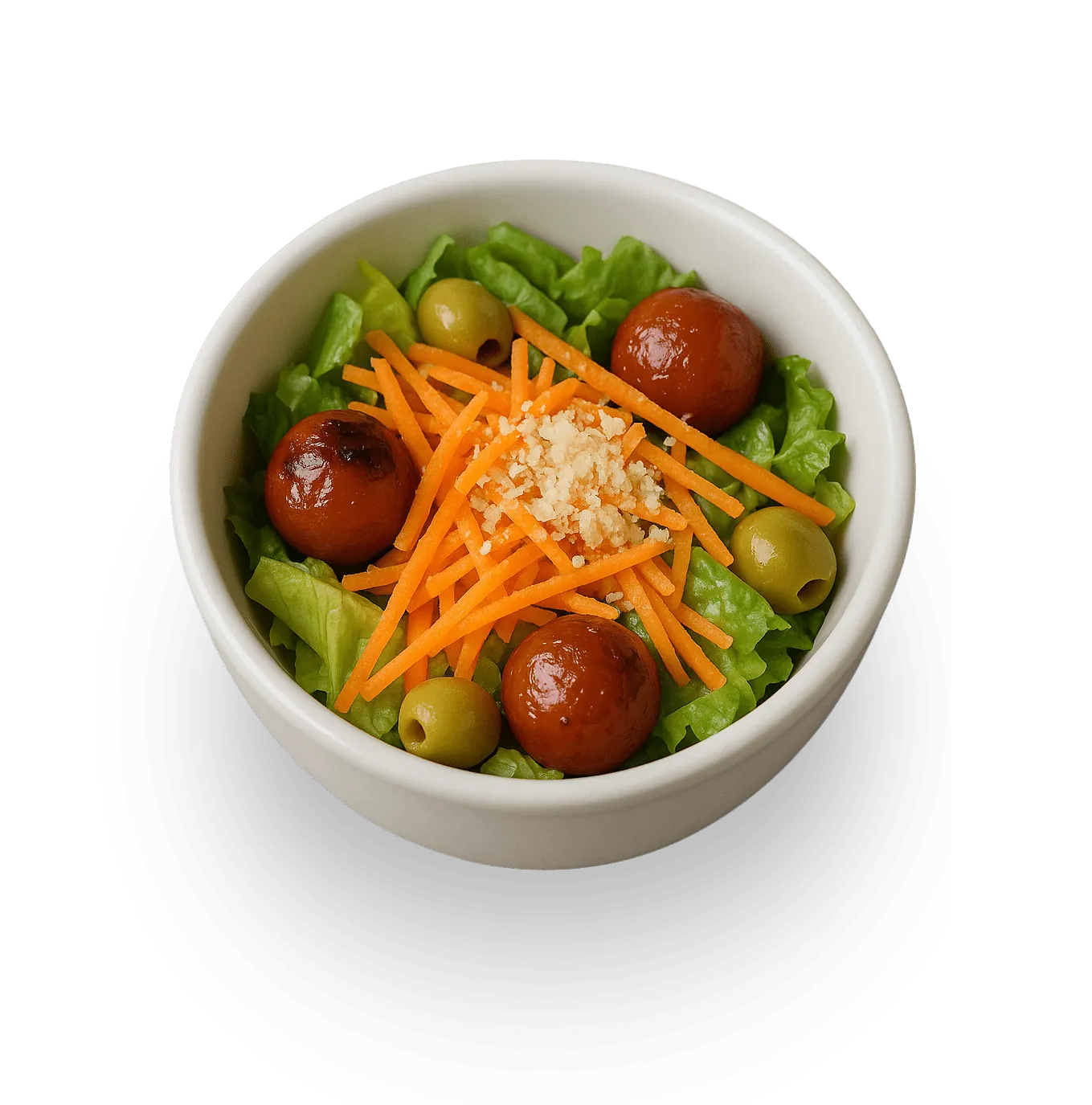
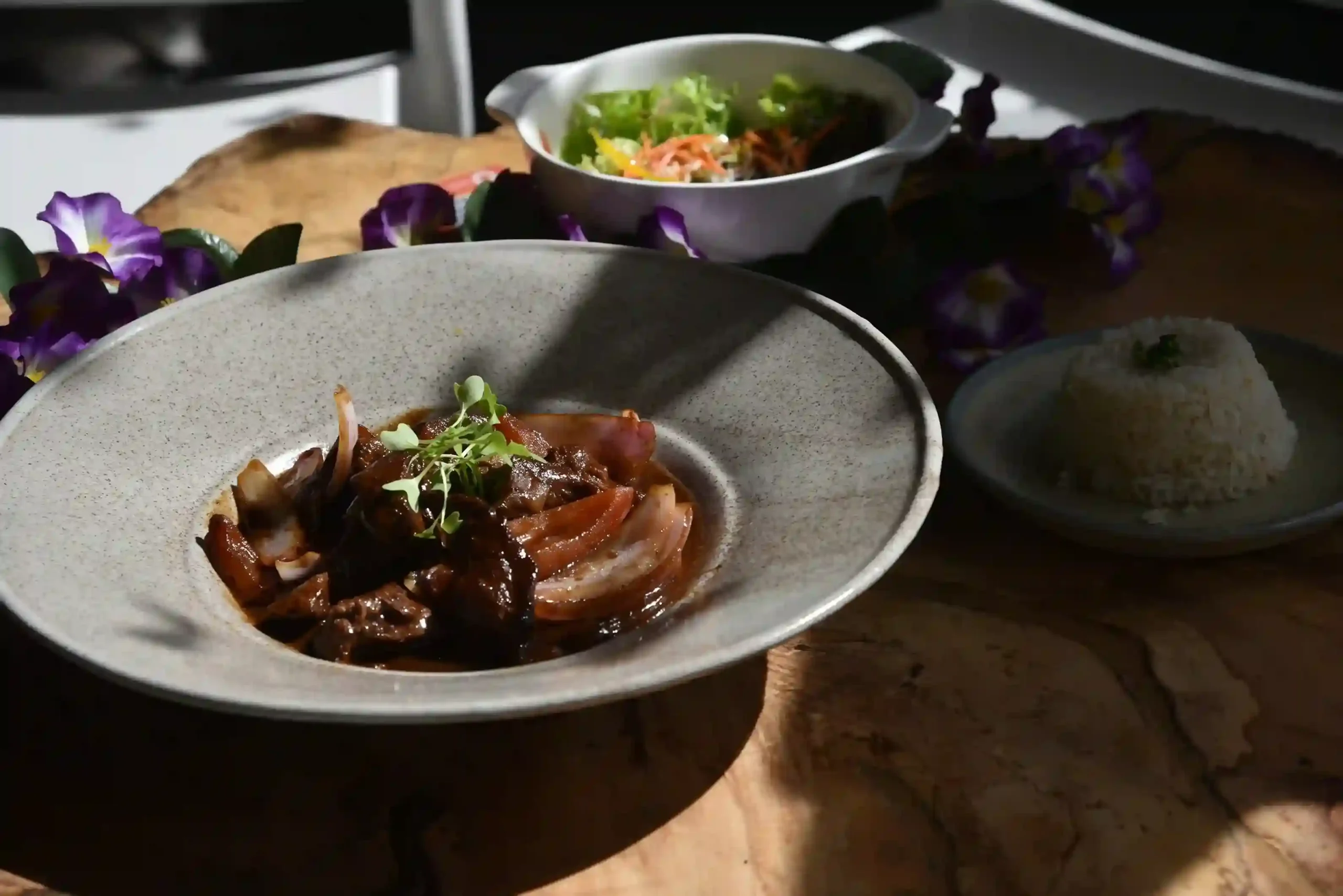
The first is in a rustic ceramic bowl: strips of tenderloin in a dark, rich sauce with caramelized onion and microgreens on top. The sauce has the deep color you only get when the chile is cooked properly from the start, not added at the end. It comes with white rice and the house salad.
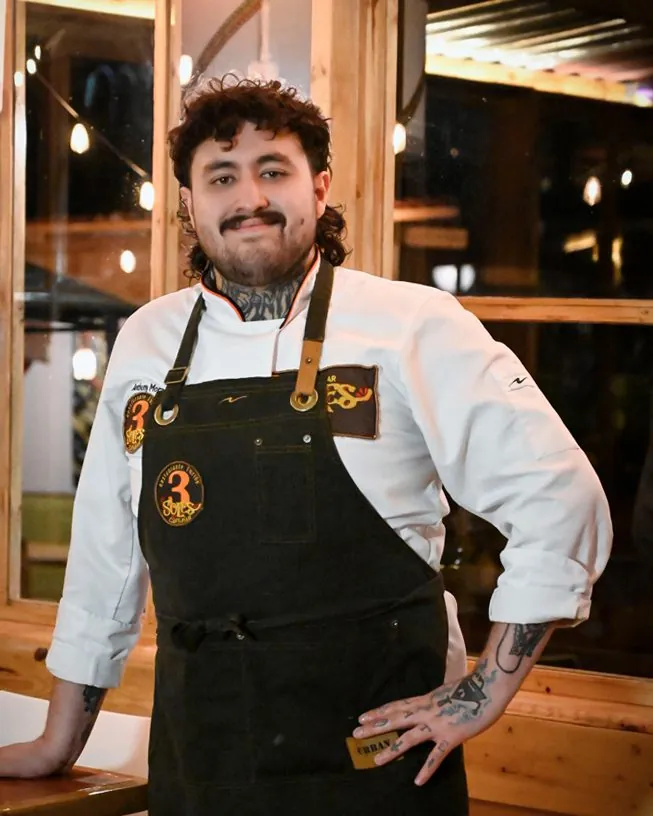
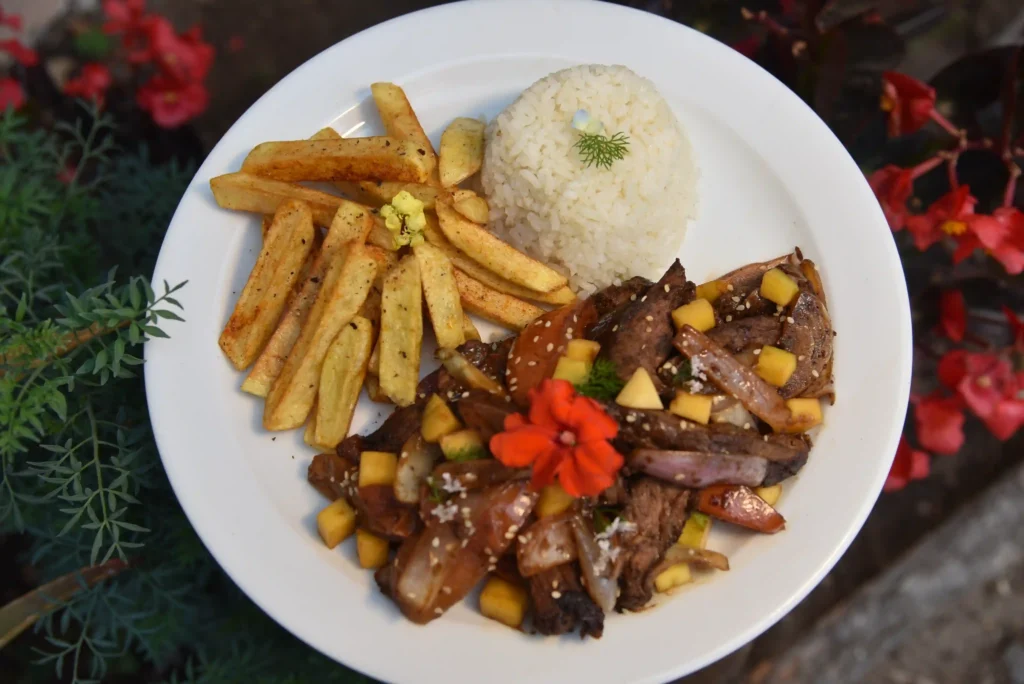
The second is on a flat plate: tenderloin sautéed with onion, cubes of fruit, seasoned fries, sesame seeds and a red edible flower. A fresher, more colorful take on the same idea, and a good example of the attention to detail in Anthony Mora’s kitchen.
Both share the same core: beef with character and a jalapeño sauce that works in the background without stealing the show.
Why this fusion makes sense
This isn’t a dish invented to look different. Colombia has a deep-rooted beef culture, and Mexico has one of the most complex sauce traditions in the world. Put them together in a well-cooked dish and you get a fusion you understand at the first bite, not one that needs explaining.
That is the idea behind the whole menu: don’t mix for the sake of mixing, find the places where one cuisine naturally complements another. Our piece on what Latin American fusion cooking is explains how the menu is built.
How to tell it is well made
The color of the sauce. Dark and deep, not bright green or artificial orange. Roasting the chile changes its color and concentrates the flavor.
The heat. Present but not in charge. It should feel like part of the flavor, not the only flavor.
The meat. Tender, with a visible sear. Dry or chewy beef means the technique failed before the sauce even arrived.
The balance. The sauce should go with the beef, not drown it.
Short on time? Order this
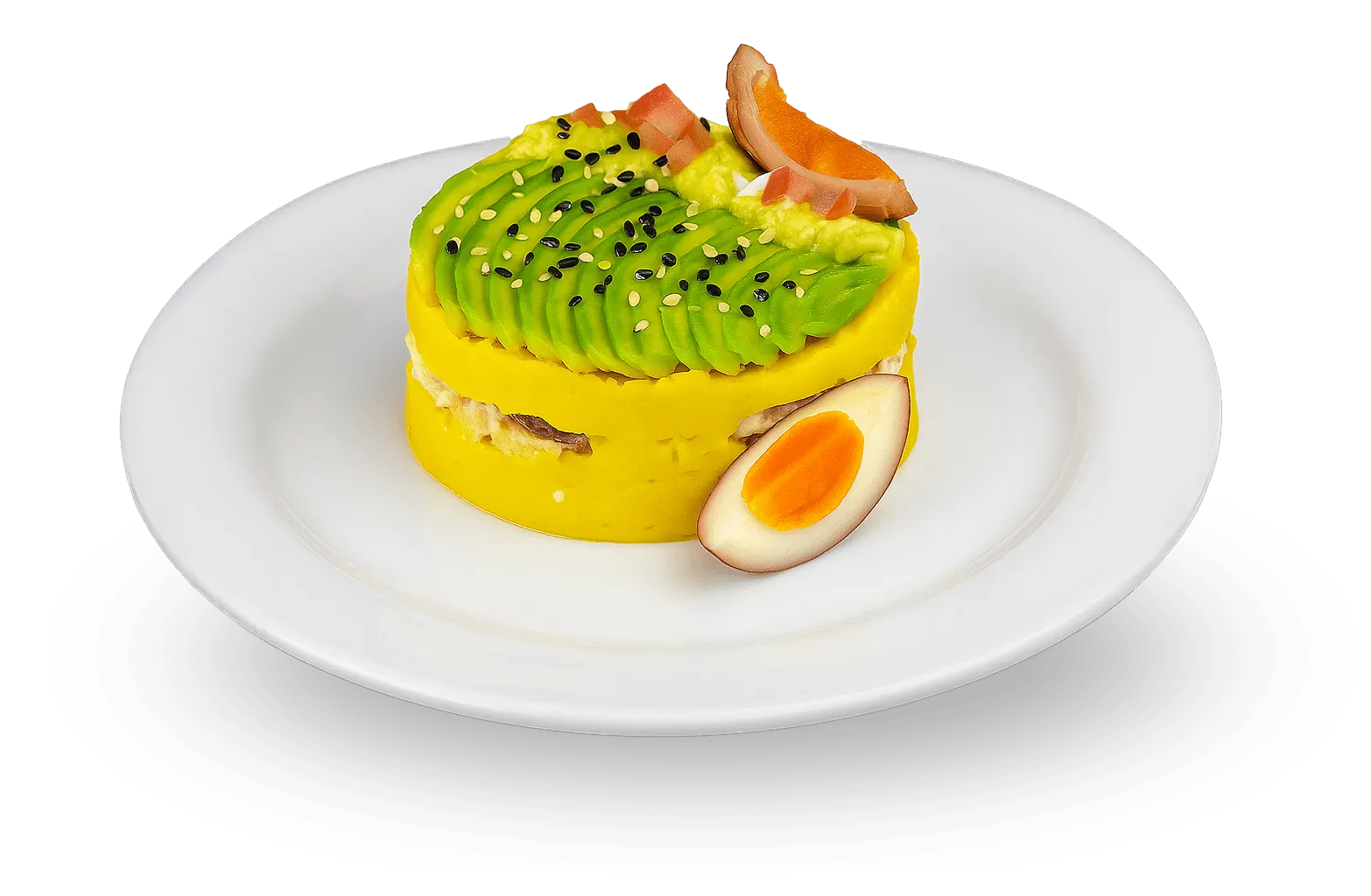
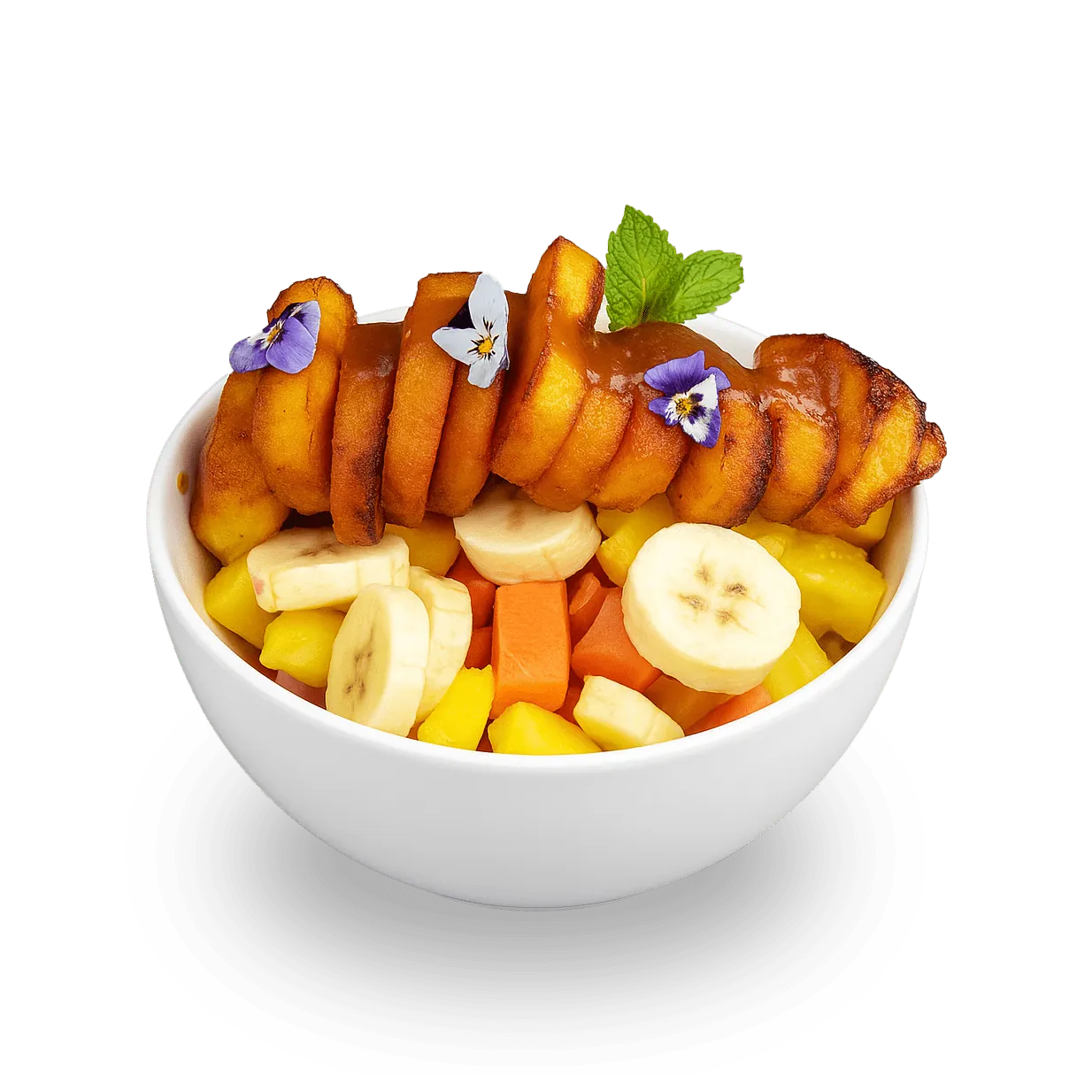
Start fresh with the Causa 3 Soles or tilapia ceviche, then the tenderloin in jalapeño sauce with rice and house salad. Drink a cantarito or classic margarita, or a glass of red wine if you prefer it with beef. To finish, the deconstructed aborrajado: guava ice cream, fried plantain with cheese and an espresso reduction.
Frequently asked questions
Is the jalapeño sauce very spicy?
No. The heat is moderate and sits in the background of the flavor.
What comes with it?
White rice and the house salad.
What should I drink with it?
A cantarito, a margarita or a glass of red wine.
Ready to try it? Book your table.
Book your table at 3 Soles
Private kiosks in the countryside, Colombian, Mexican and Peruvian food, and your pet is welcome. Book online from the next day; to come today, message us on WhatsApp.
Vía Cerca de Piedra, Chía–Cota road · Thursday to Sunday and holidays