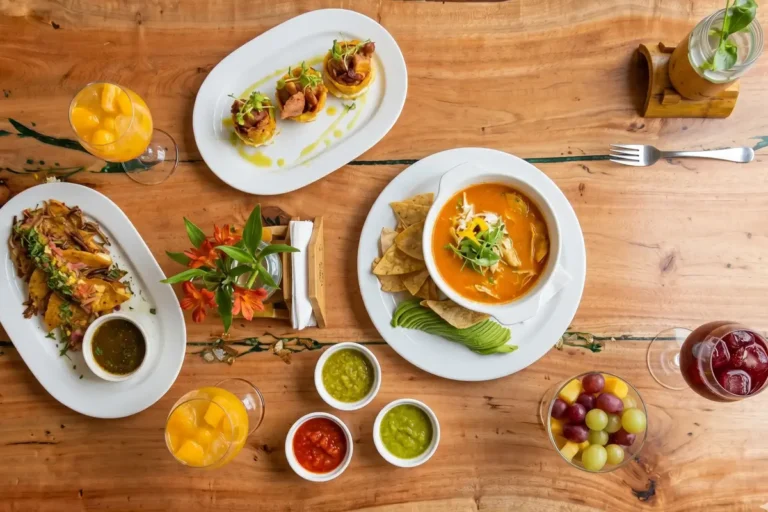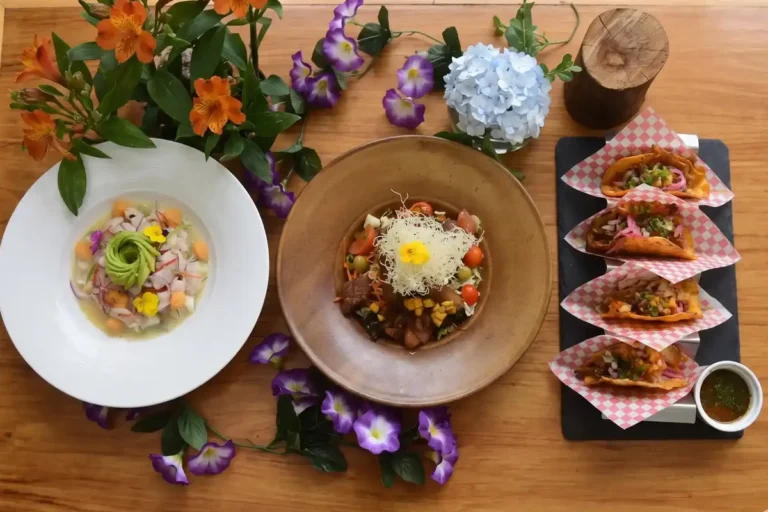
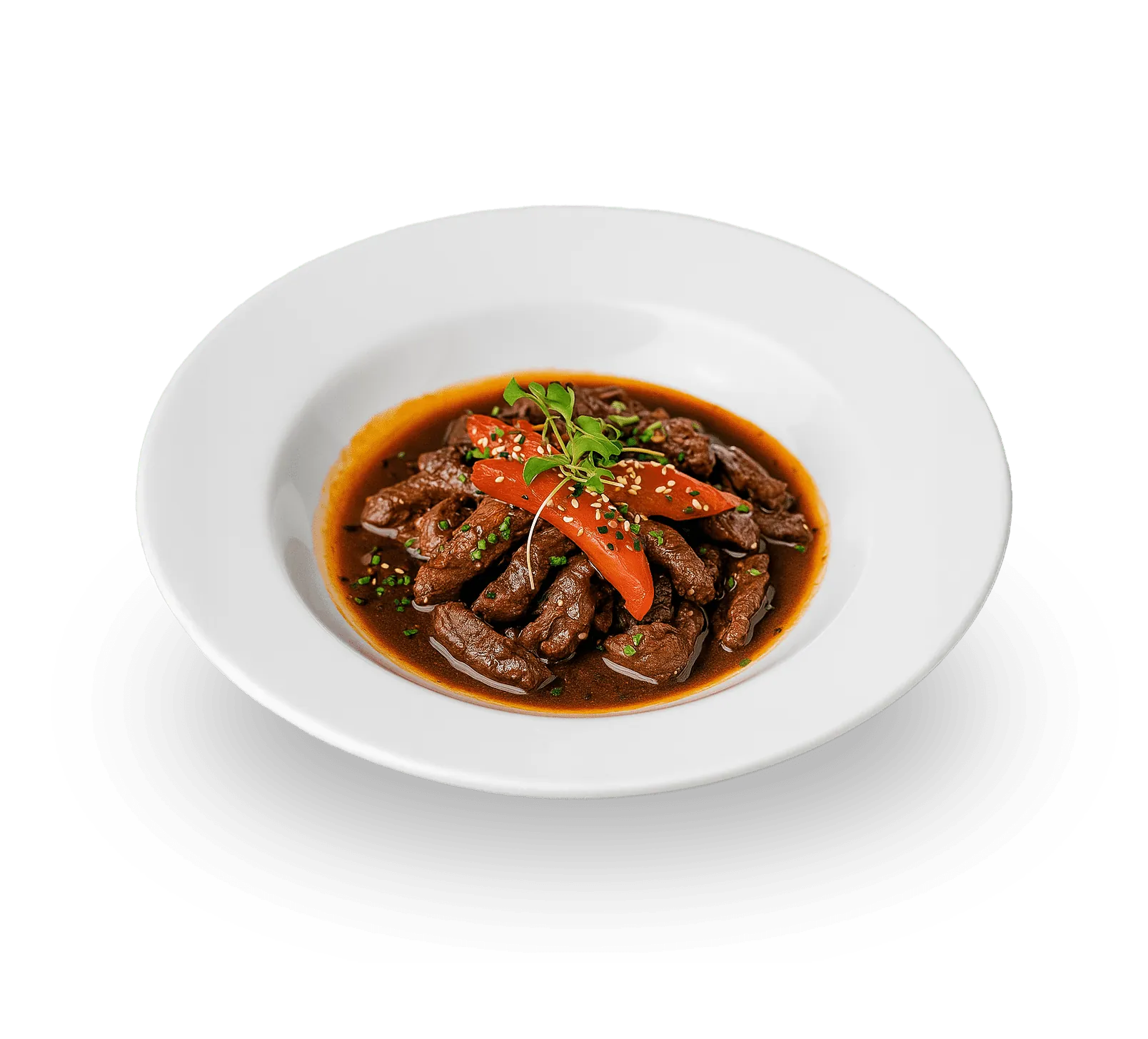
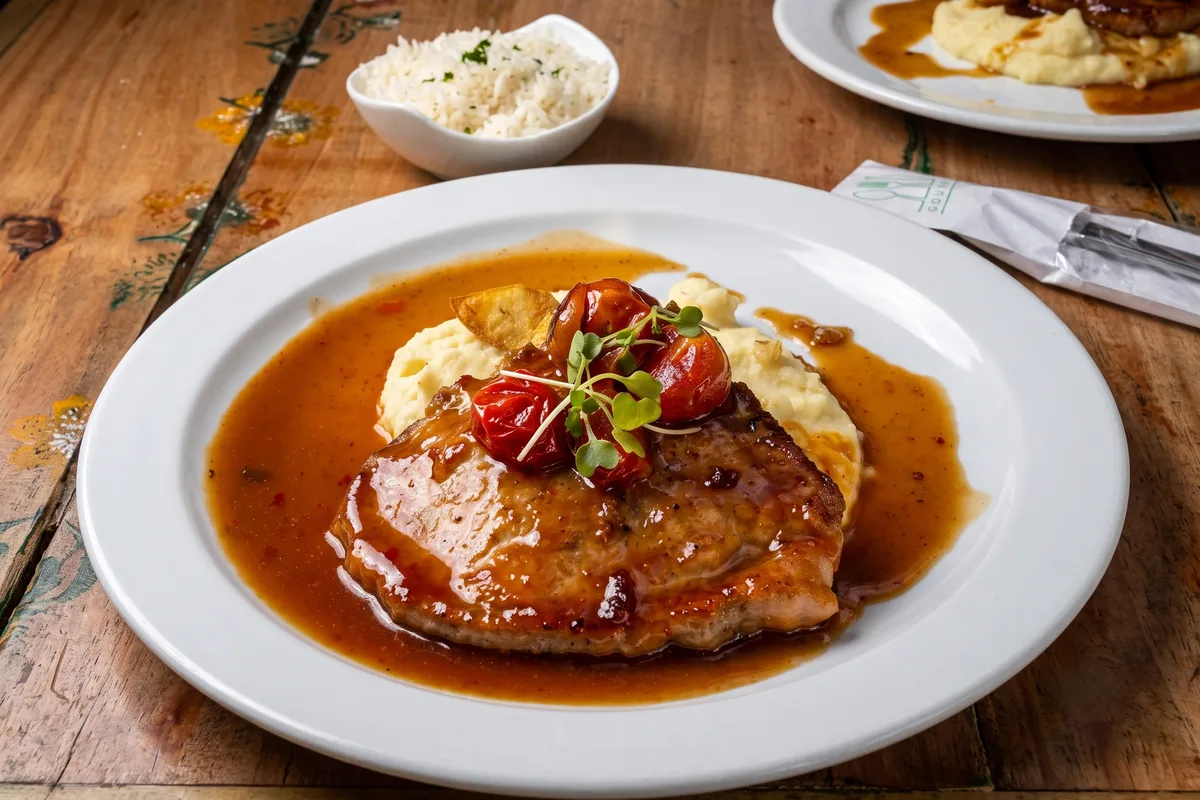
Rapid Summary: The 3 Sole pork bonus is cooked in spices and white wine, served with pale and bathed with a tropical fruit sauce, an author plate that combines local technique and taste at Chia.
Key points in 30 seconds
- The Bondiola is a less common pork cut than the traditional Rib or Choulette.
- It’s cooked with spices and white wine before bathing in fruit sauce.
- It is accompanied with pale pat creole, a soft contrast with the acidity of the salsa.
The Bondiola isn’t the best known pork cut out of the autograph. It comes from the part of the animal’s neck, an area with more inactivated fat than a choulette or back, and makes it especially juicy while cooking slowly. In 3 Soles, that cut became one of the most particular plates of the pork letter.
Why’s the bonus a different cut
Unlike his ribs or his cheeks, his beet needs slow cooking so that his infiltrated fat will melt without his flesh being dried. 3 Soles and a hot and white wine are cooked before bathing in the salsa, a process that explain why the cut feels more tender than other pork from the carte, as with and with a high level of.
The role of tropical fruit sauce
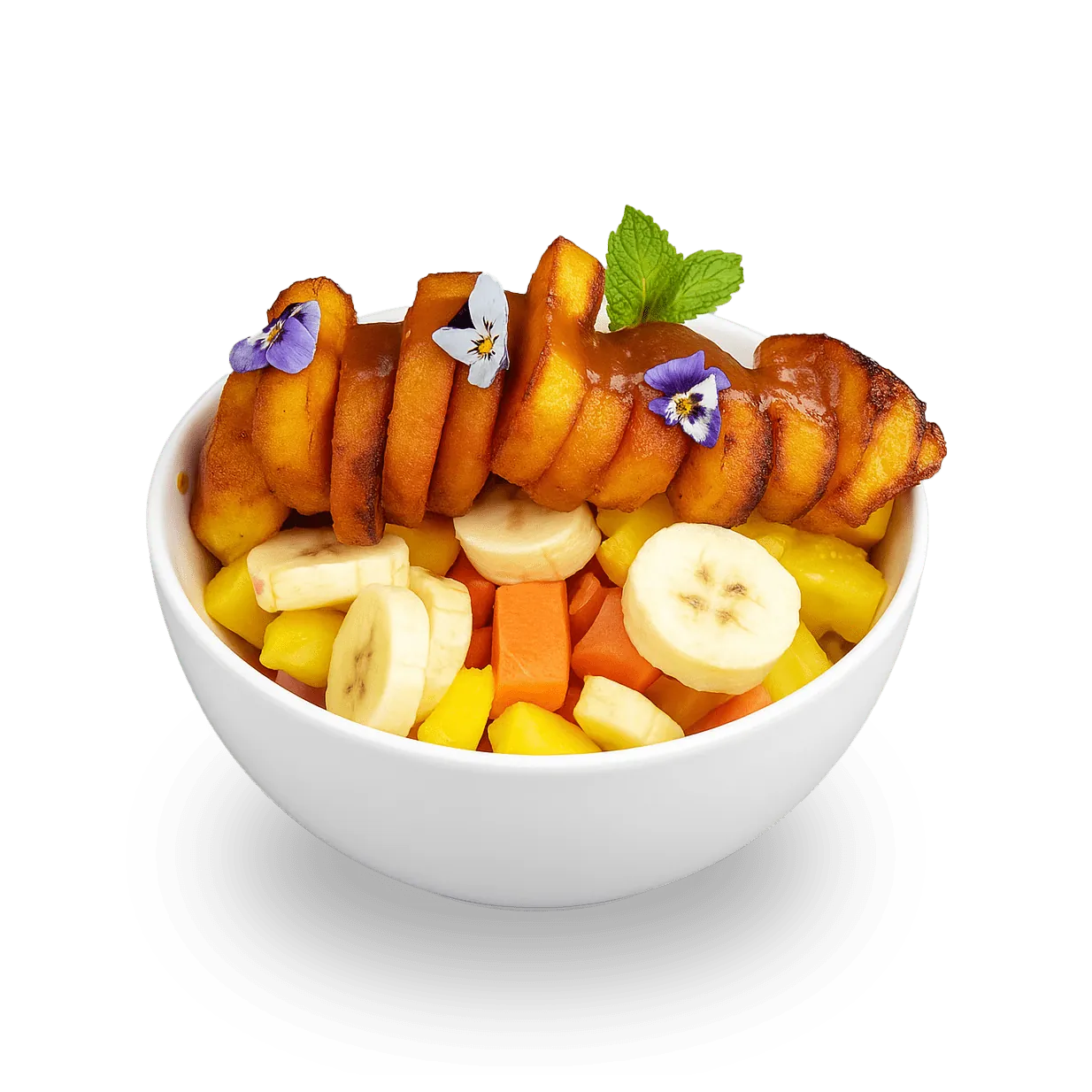
The salsa accompanying the bonus is made from a Colombian tropical fruit, giving an acid and slightly sweet profile that cuts the fat from the cut without cover. It’s a similar resource to that used by Colombian cuisine in several preparations of pork with cold or temperate climate fruits, adapted here to an author plate with more elaborate presentation than that of a traditional lunch.
How and what’s with them
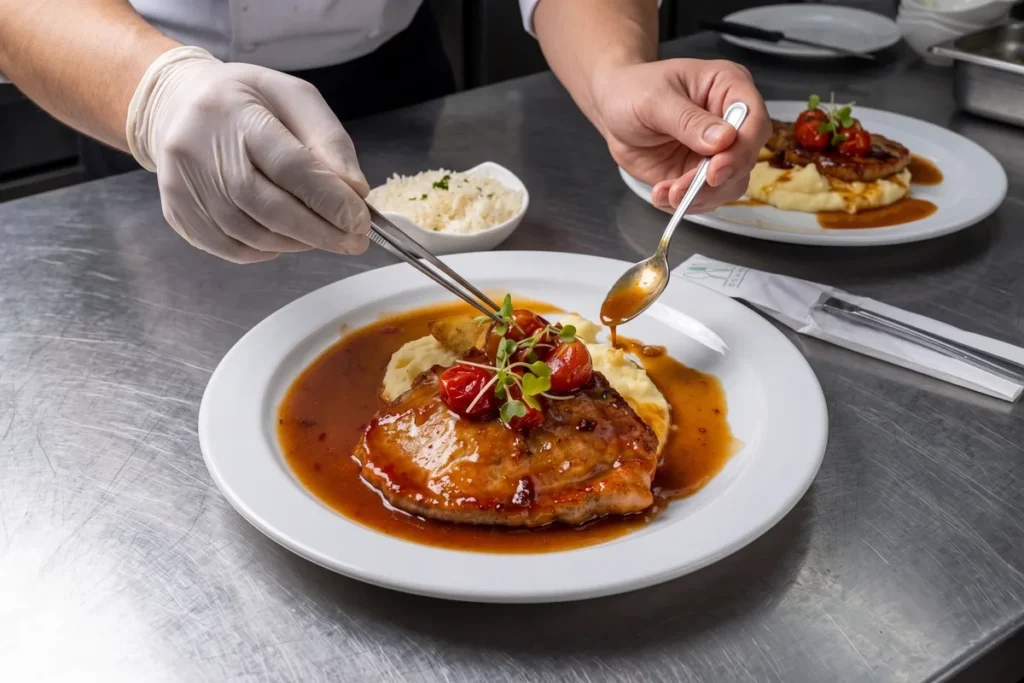
The plate is served on pale of pate creole, which works as a neutral base with a contrast between the fat of the pig and the acidity of the salsa. It’s a combination designed to eat slowly, closer to a plate of an author’s restaurant than to a portion of traditional Colombian pork, but retains that spirit in the choice of accompaniment.
How to compare with other pork plates from the letter
The 3 Soles pork letter offers options with very different profiles with them: the high-quality and more closely connected with Mexican cuisine, the BBQ and tamarind ribs with a branded and fringes profile and the bonus with a more subtle fruit sauce. That’s how we have been with our families and their families. and drink from the letter, Bondiola is the choice for those who prefer a less direct plate with more layers between cutting, cooking and salsa.
How to ask if this’s your first time
- Don’t expect a taste as sweet as BBQ. The salsa is more acidic than sweet, different from other preparations of the letter.
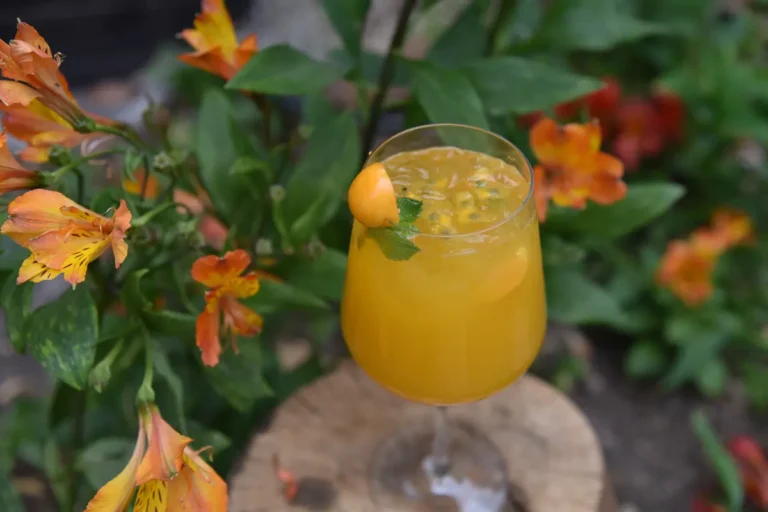
- It’s with a white wine or a citrus cocktailThat’s how they match well with the salsa profile.
- Ask with time if you’re in a big groupas slow cooking of the cut can take longer than other plates.
- Question about the meat point If you prefer something more or less juicy.
Why cooking in white wine makes a difference
Cooking the beet in white wine before bathing it in the sauce has a dual function: softens the cutting fibers and adds a background of taste that isn’t achieved with only dry spices. It’s a technique closer to European cuisine as with the traditional Colombian grill and that contrast between local and technical products is part of what’s different from that plate within the letter.
A cut that doesn’t always appear in other letters from the area
Bondiola is not a regular cut at the local restaurants of the Sabana, where meat usually predominate with a grill without more production of sauces. To have them in the letter with a preparation that requires more cooking time than a direct roast, is part of why this plate is mentioned followed by those who have been well acquainted with the menu and seek something different at every visit.
If you have little time, ask for this.
- Bondiola in cruba sauce ($51,800), the main plate of this review.
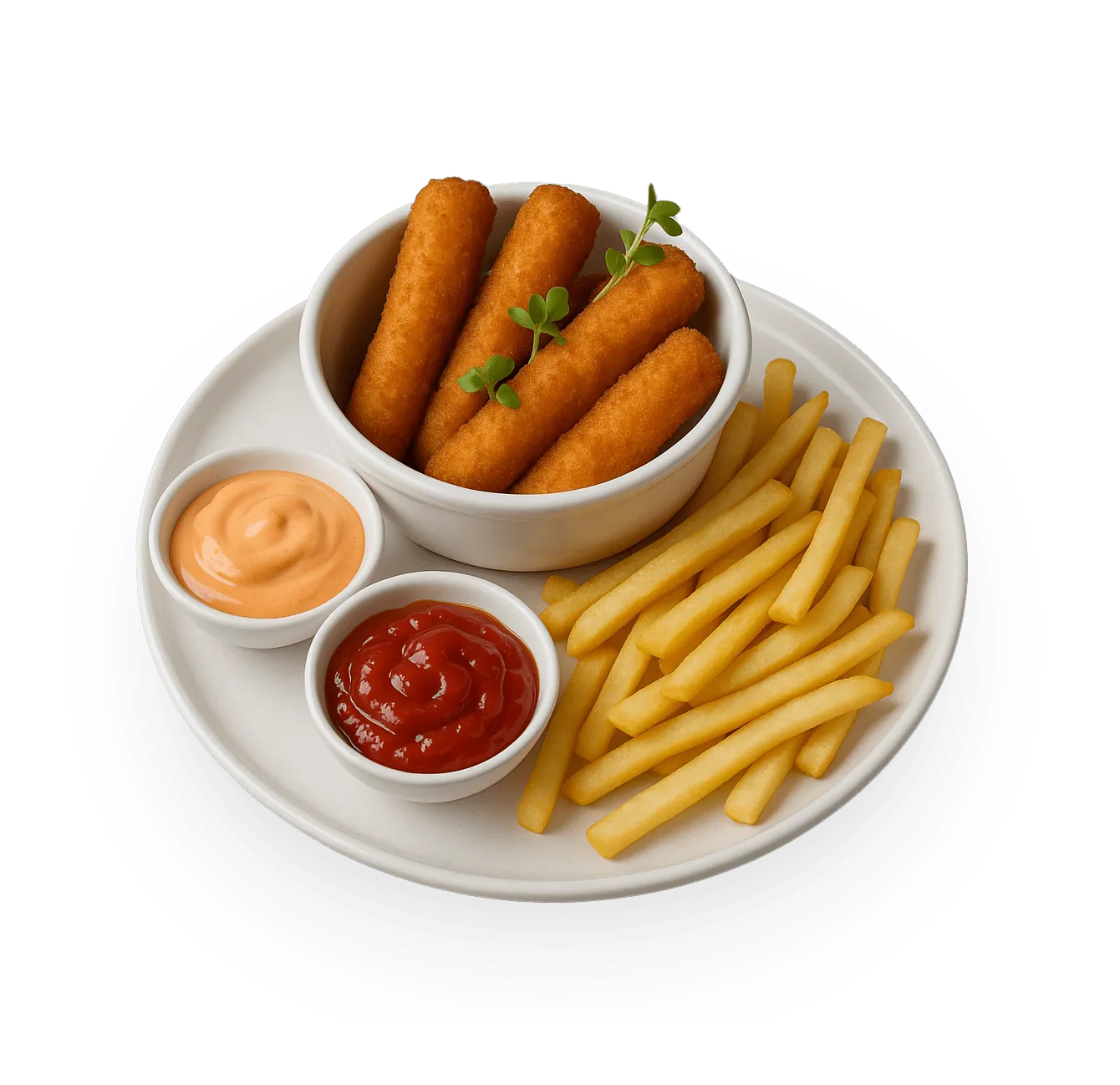
- Fairy basket ($33,400) as an entrance while preparing the fort plate.
- A glass of white wine from the letter, to accompany the acidity of the salsa.
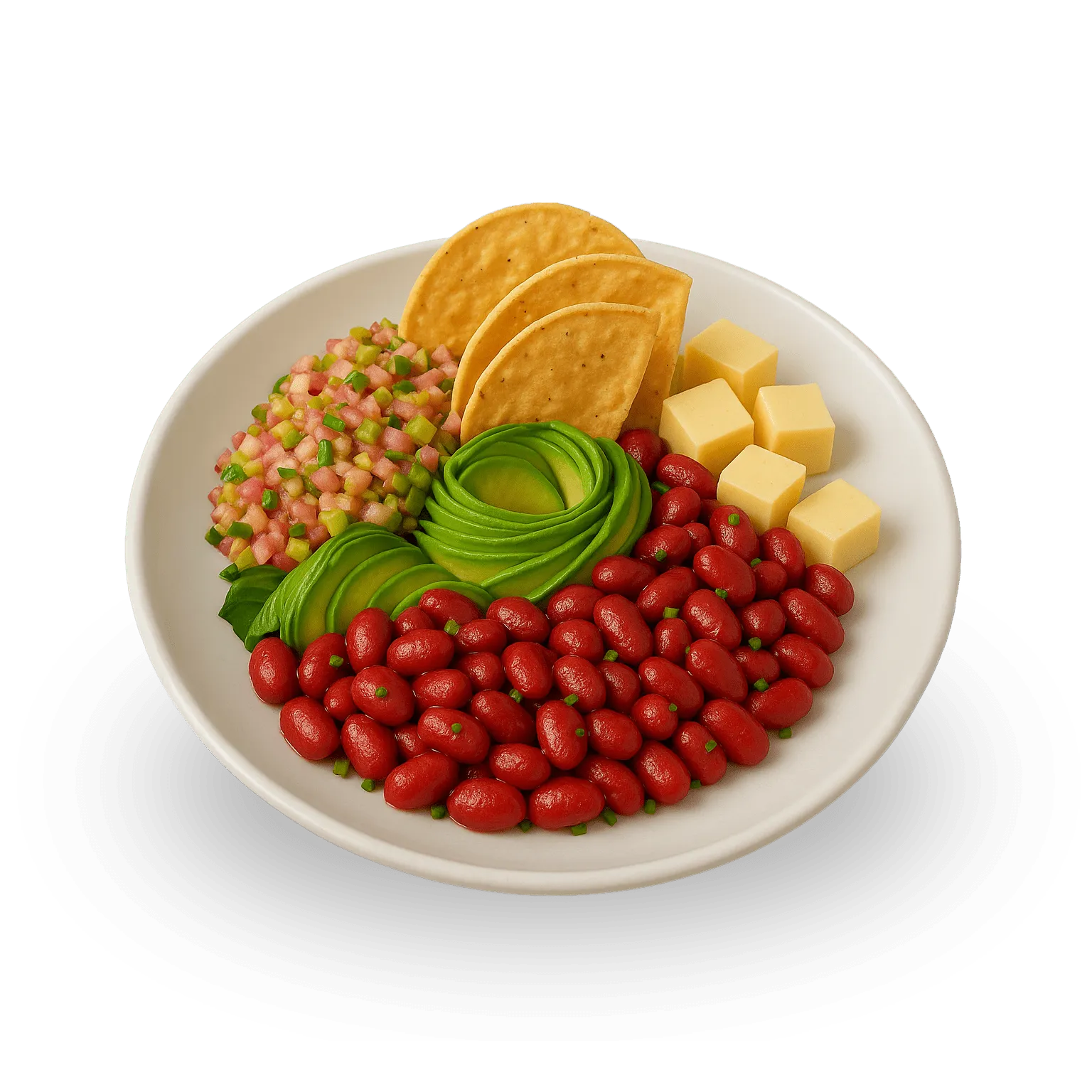
- Fitted with a deconstructed with a completely different taste from that of the main plate.
The bonus’s a very high cut?
It’s more high-fat infiltrates than a choulette or a loin, and that’s how juicy it gets but slow cooking helps them feel bad.
Is the sauce sweet or acid?
It’s more apiac than sweet with a tropical fruit profile that cuts the pork’s fat without completely cover.
What’s the plate with?
It’s served with pale of pate creole, and it works as a neutral accompaniment to the contrast of flavors of the plate.
Is this a plate that’s been recommended for those who have been with them and have been with them?
Yeah, that’s a good way to first try the cut, as cooking and salsa smooth up any flavour too strong.
How big’s the bonus portion?
The portion is intended for a person, but accompanied by an entrance to share can give good for two diners with moderate appetite.
If you want to have a different cut from the rest of the letter, See the pork plates at 3 Soles menu and book your table