White or red with birria tacos? With ceviche? A simple guide to pairing wine with the Colombian, Mexican and Peruvian dishes at 3 Soles.
Ordering wine usually comes down to the same question: white or red? With a menu that mixes Colombia, Mexico and Peru, it gets harder, because the dishes don’t always fit the simple “red meat” or “fish” categories that guide classic pairing.
What pairing is, and why fusion changes it
Pairing means choosing a wine and a dish that make each other better instead of competing. The classic rule says white with fish and light dishes, red with red meat and heavier food. It works for a single-style kitchen. It is harder to apply when one dish has tropical-fruit acidity, Mexican chile and Peruvian technique.
How to think about it
Look at the dominant flavor, not just the protein
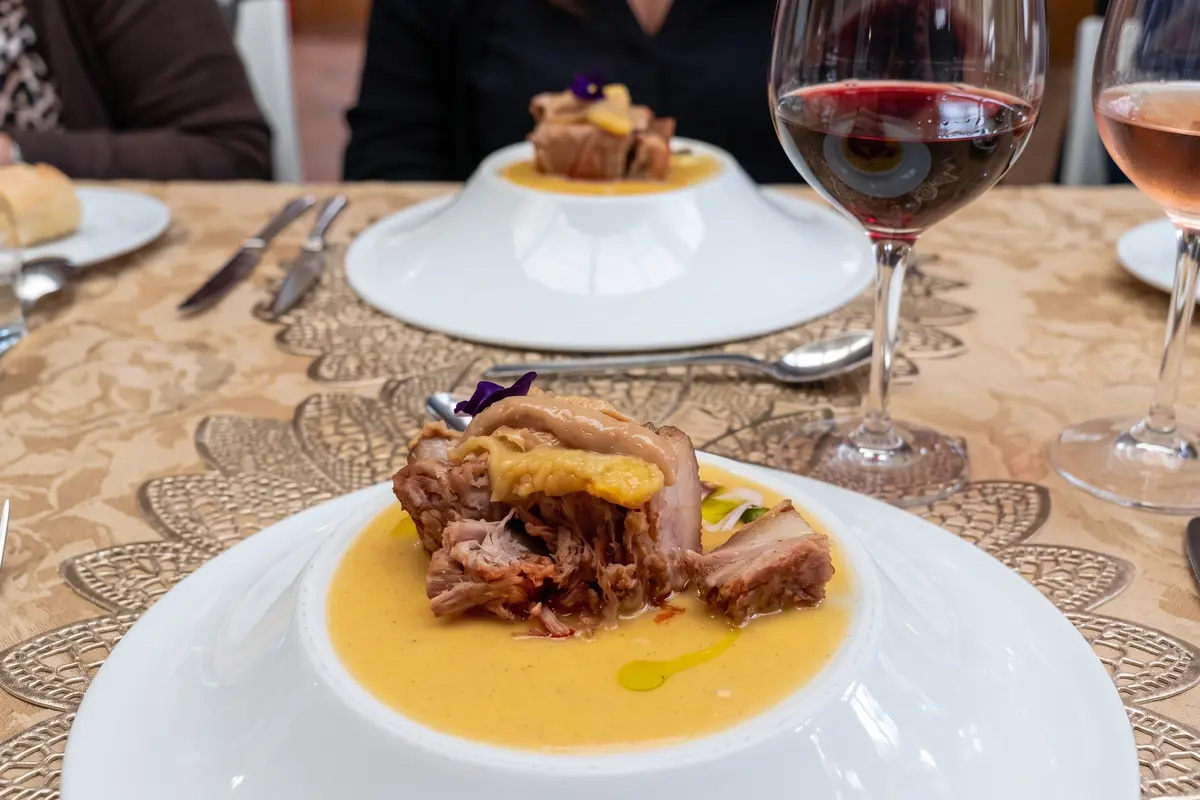
Pork in a sour fruit sauce, like our bondiola in curuba sauce, doesn’t behave like plain roast pork. The acidity calls for a wine that won’t fight it, even if pork makes you think of a big red.
Chile changes the rules
Spice gets louder with very tannic wines. A light red, or even a white with some body, usually works better than a dense red with a chile-forward dish.
Tropical fruit wants fresh wines
Copoazú, curuba and pineapple, common on our menu, go better with fresh, high-acid wines than with sweet or heavily structured ones, which can feel heavy next to them.
Real pairings at 3 Soles
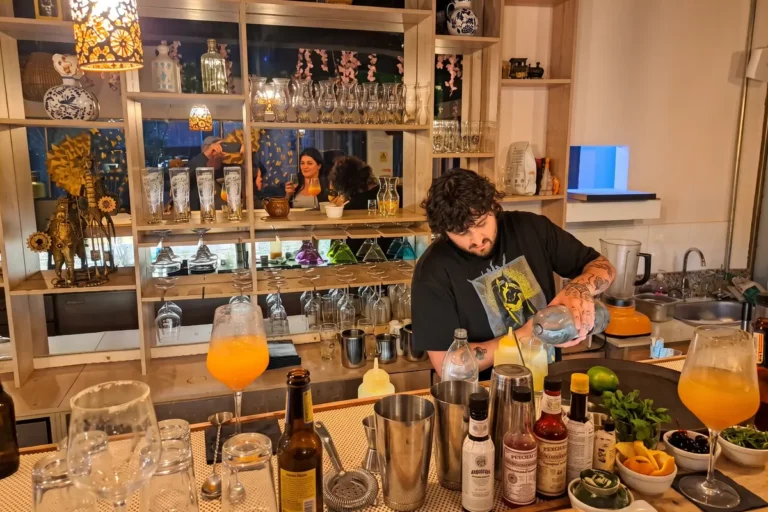
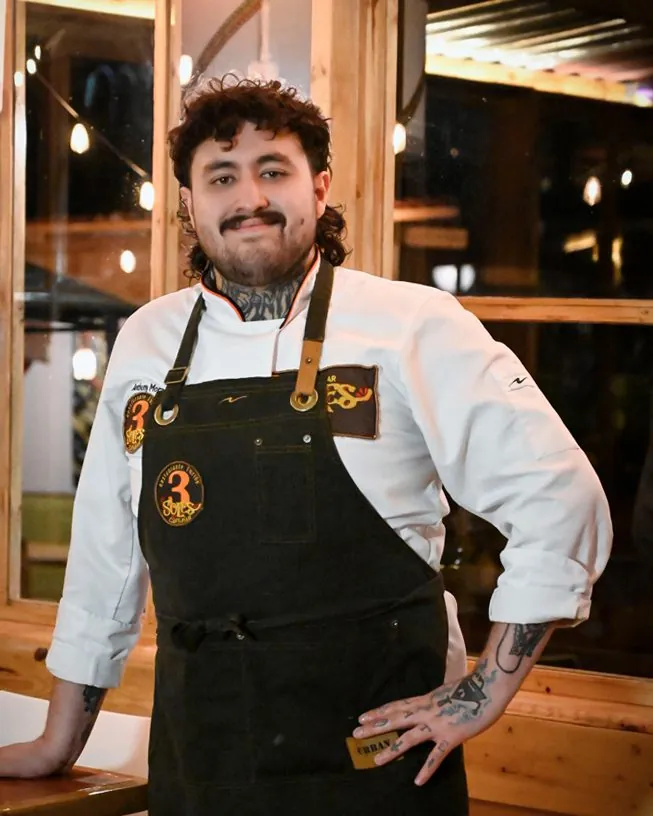
Head bartender Karen Cruz designs the tasting-menu pairings as part of each course’s story, not just as something to drink alongside.
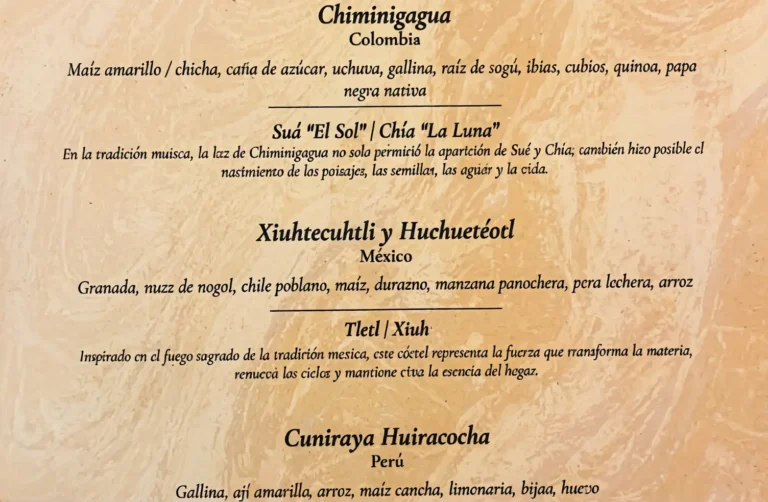
In the “Gods of Fire and the Sun” tasting menu, the white Tonalli goes with a course of sweet potato, uchuva, lulo, pineapple and hibiscus: tropical fruit and light texture, where a fresh white balances the sweetness without drowning the dish.
The red Huñuy closes the same menu with a course of corn, butter, sugar cane and wheat, closer to a savory dessert than a main. A soft red matches that denser texture without feeling heavy.
Ordering when you don’t know wine
- Start with the dish, not the wine. Describe what you are eating and let the server suggest a glass.
- Mention chile or sour fruit. Both change the recommendation.
- Don’t assume fish means a light white. Fish in a rich seafood sauce, like the sea bass, can take a fuller white.
- If you are torn between two, ask about the options before choosing.
Why it is worth learning
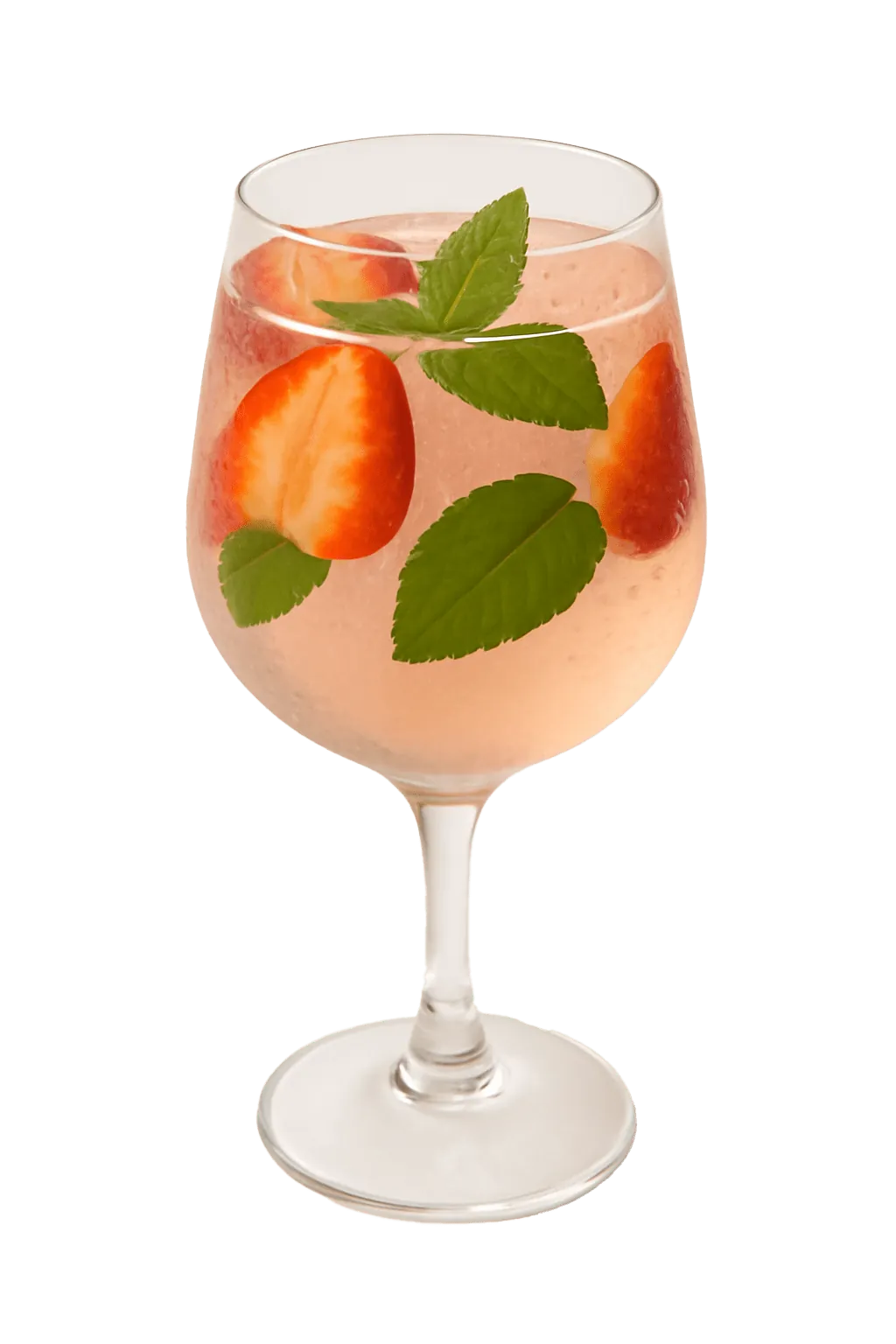
You don’t need to be a sommelier. Knowing that chile, acidity and sweetness change the equation is enough to order with more confidence. The same logic applies to our signature cocktails, which also aim to balance the bold flavors of the kitchen.
Short on time? Order this
- Sea bass in shrimp sauce with a medium-bodied white.
- Pork bondiola in curuba sauce with a light, fresh red.
- A glass of wine from the list, white or red depending on your dish.
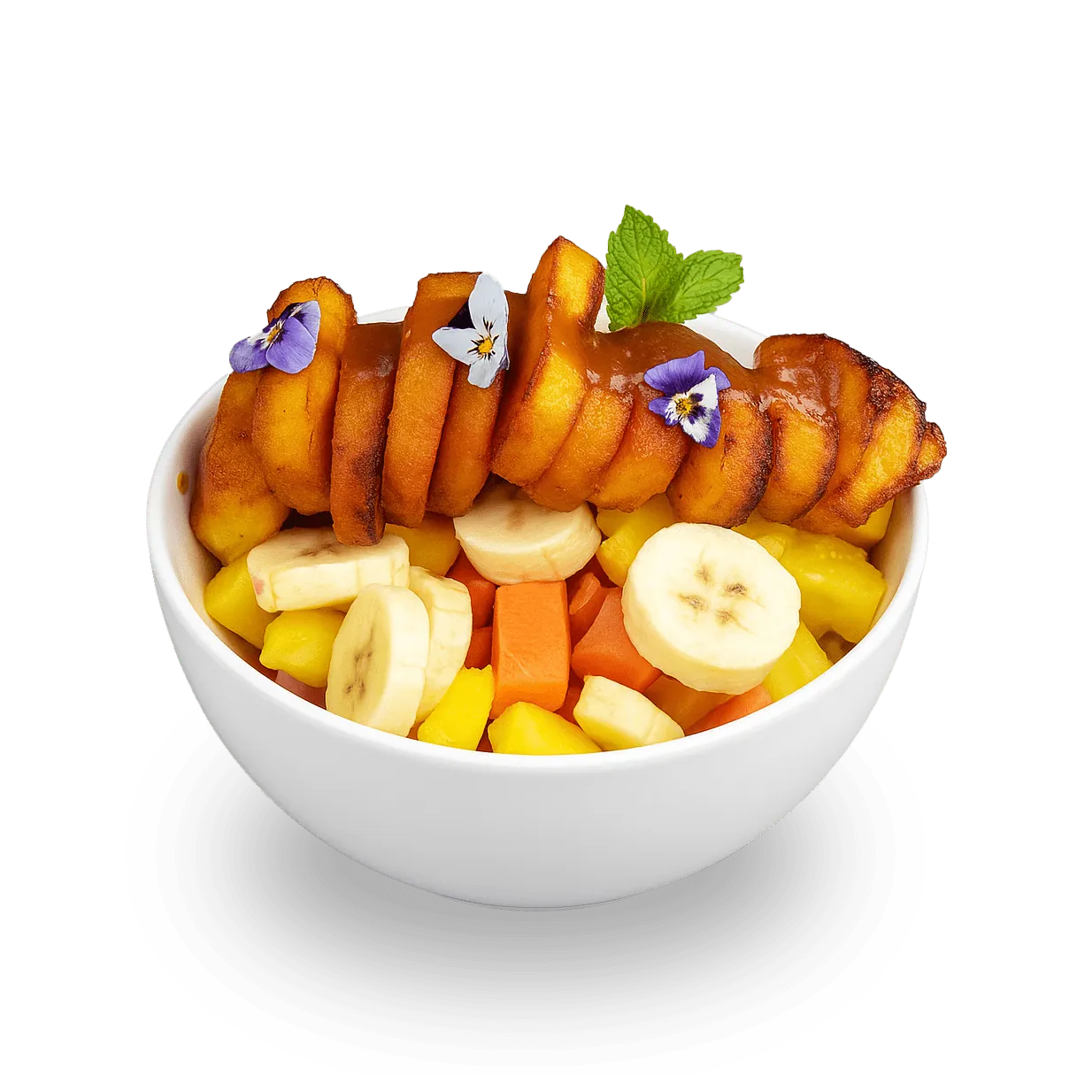
- Deconstructed aborrajado for dessert.
Frequently asked questions
White or red with spicy food?
A light red or a white with some body. Very tannic reds make chile feel hotter.
What goes with dishes made with tropical fruit?
Fresh wines with good acidity.
Can the staff recommend a wine?
Yes. Tell them what you are eating and they will suggest a glass.
Book your table and ask for a pairing.
Book your table at 3 Soles
Private kiosks in the countryside, Colombian, Mexican and Peruvian food, and your pet is welcome. Book online from the next day; to come today, message us on WhatsApp.
Vía Cerca de Piedra, Chía–Cota road · Thursday to Sunday and holidays